Trolls, Huldufólk, and the Hidden People of Iceland

Trolls, Huldufólk, and the Hidden People of Iceland

Amara Okafor

Amara Okafor

June 24, 2026

4 min read· 1 views
On a damp September morning, I found myself on the edge of the Hellisgerði Park in Hafnarfjörður, a town often called the "Elven Capital" of Iceland. The air was crisp with a faint scent of seaweed and wet moss, the ground underfoot soft and textured from centuries of volcanic dust. As I stood by a moss-covered rock, a local elder, Jón, leaned in and whispered, "This is where the Huldufólk live. The hidden people. We must give them space." I remember smiling awkwardly, uncertain if he jested or truly believed. Yet, here, belief is not just myth; it's a living, breathing thread woven into everyday life.

The Geography of Belief

How Iceland's volcanic landscape shapes folklore

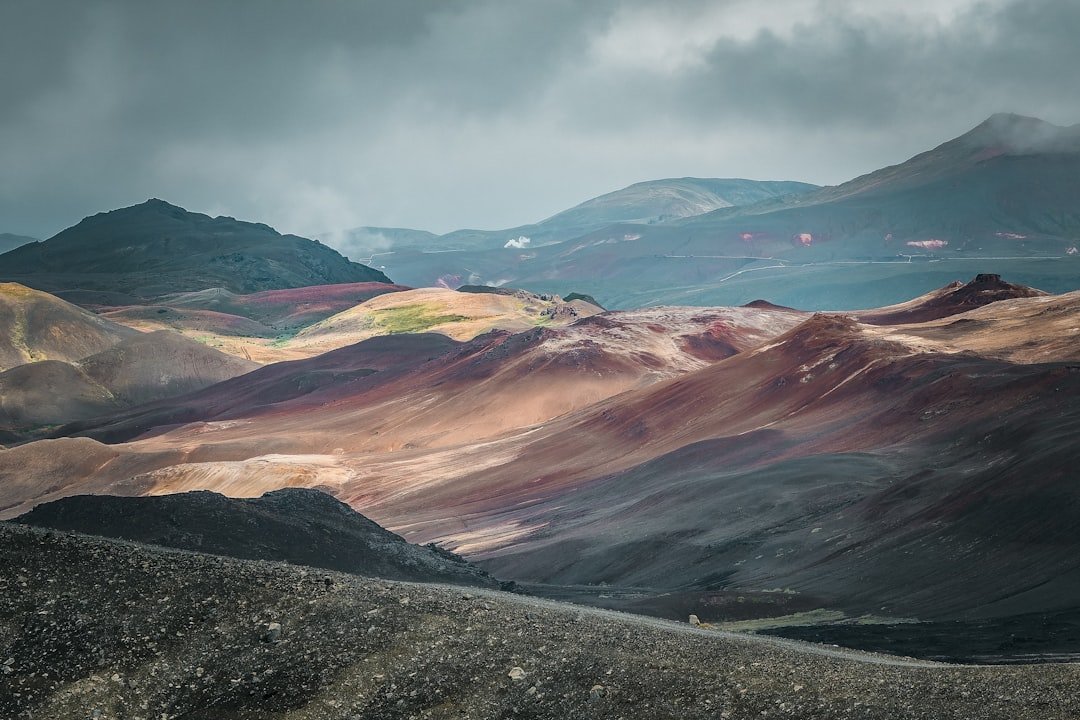
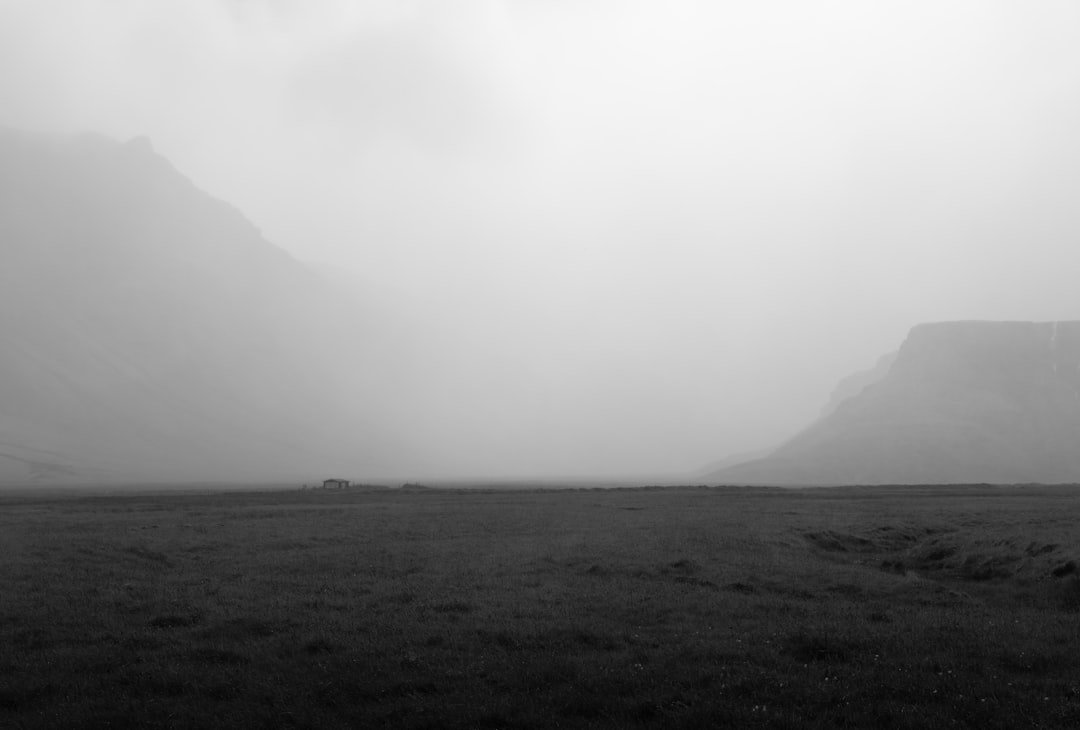
Iceland's dramatic terrain, with its lava fields, craggy cliffs, and perpetual mist, feels like a place where the supernatural might just be a natural part of life. These otherworldly features are not just aesthetic but formative. The island is the youngest in Europe, born from volcanic activity along the Mid-Atlantic Ridge. Its constantly shifting earth invites stories of creatures that inhabit the spaces where humans dare not build. When a road is planned, workers often stop upon encountering an oddly shaped rock or mound, fearing to disturb the "hidden people". Roads have been rerouted, and construction paused, honoring these ancient beliefs.

Did you know?

Over 50% of Icelanders say they do not dismiss the existence of elves or hidden people, according to a 2017 study by the Icelandic Public Opinion Research.

Plan your trip with AI

Turn inspiration into a real itinerary. Plan day-by-day routes, find the best spots, and share with friends.

Historical Context

The earliest written Icelandic mentions of Huldufólk (hidden people) appear in 17th-century folklore collections, but oral traditions likely date back to the island's settlement in the 9th and 10th centuries.

The tension between scientific rationalism and folklore fascinates me deeply here. Iceland has some of the most rigorous geological research on volcanic activity, yet its people maintain a respectful distance from the invisible residents. This coexistence is not contradictory but complementary; a dance of understanding between the seen and unseen worlds.

Trolls and Elves: A Cultural Ecology

Understanding Iceland's mythical beings through local lore
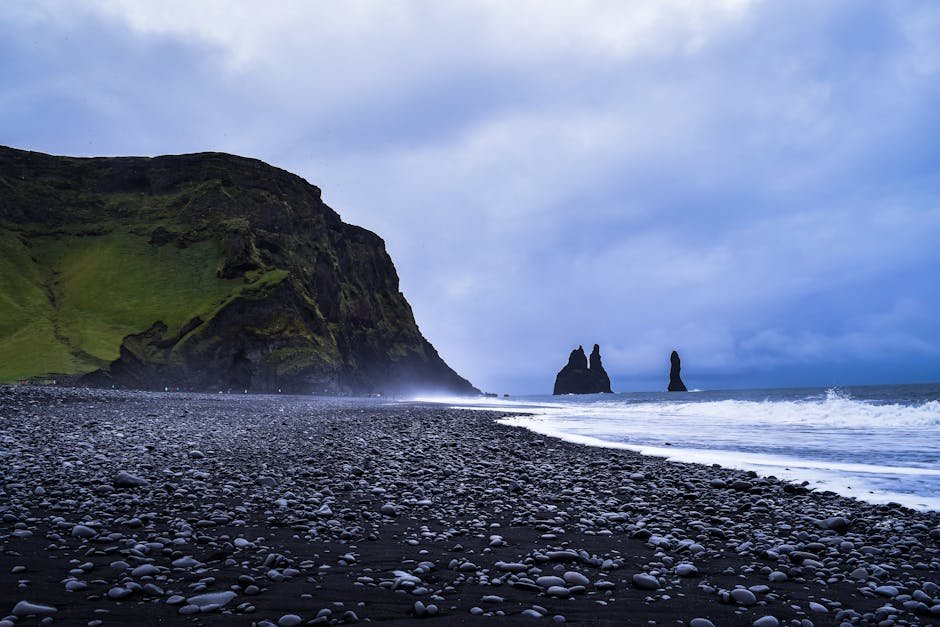
The trolls of Iceland are often depicted as large, somewhat brutish creatures who turn to stone when exposed to sunlight; the iconic basalt columns seen at places like Reynisfjara beach are sometimes described as petrified trolls caught by dawn's first light. Huldufólk, by contrast, are more enigmatic. Hidden people who live parallel to humans, invisible but not necessarily malevolent. They inhabit rock outcroppings, hills, and caves, carrying on with their lives just out of human sight. I had the chance to converse with Guðrún, a local folklorist, who explained, "Huldufólk are our neighbors. If you respect their homes, they respect you. It's a mutual accord."
Discover the stunning beauty of Reynisfjara Beach with its iconic basalt sea stacks in Iceland.

Reynisfjara Beach

A black sand beach in southern Iceland known for its basalt sea stacks. Locals say these formations are trolls turned to stone after being caught in sunrise, a natural monument to folklore meeting geology.

Surprising Custom

Some Icelanders still perform rituals before construction to 'ask permission' from elves and hidden people, blending superstition with modern building.

YearEventSignificance
1625First printed mention of HuldufólkBeginning of documented folklore in Icelandic culture
1971Road construction halted near ÁlfaborgExample of respecting elf habitats affecting infrastructure
2017Icelandic Public Opinion ResearchSurvey reveals 62% of Icelanders believe in or don't dismiss hidden people

Places to Meet the Hidden People

Where to experience Iceland's mystical folklore firsthand
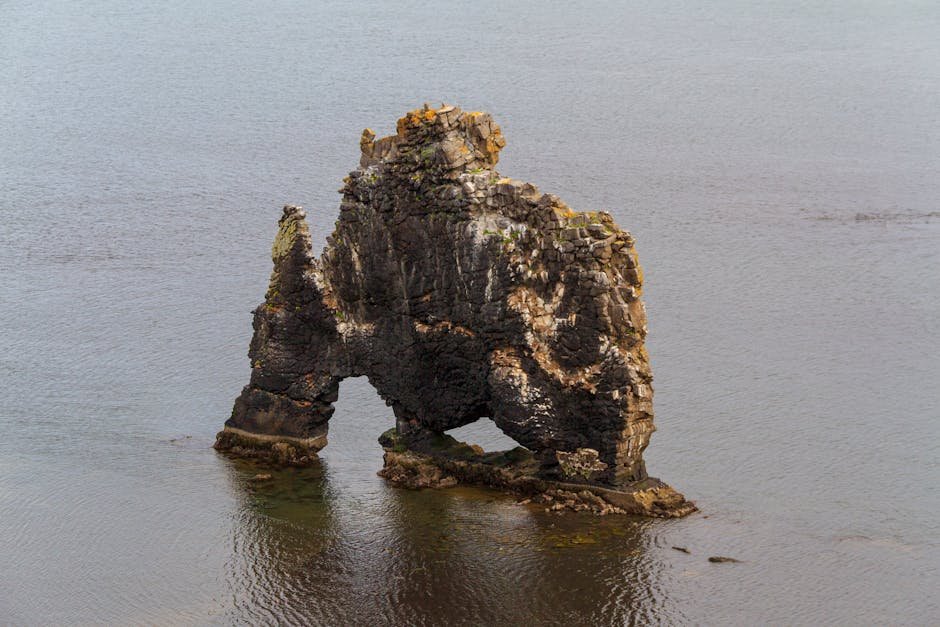
Journeying off the main tourist trail, I followed whispered recommendations to sites like Álfaborg, the "Elf Rock" in Borgarfjörður. Legend holds that Elf Queen lives inside this massive rock, commanding respect and protection from local communities. Visiting these spots feels like stepping through a veil; the crunch of volcanic gravel underfoot, the chill of mist curling around moss-covered stone, and the almost imperceptible silence, broken only by the distant calls of seabirds. It's here that the folklore feels immediate and tangible.
A stunning view of the unique Hvítserkur rock formation standing in the sea of Iceland.

Álfaborg (Elf Rock)

Located in Borgarfjörður, this large rock formation is said to be the home of the Elf Queen. Locals tell stories of supernatural happenings and advise visitors to show respect when nearby.

Árbær Open Air Museum
4.7

Explore traditional Icelandic turf houses and exhibits on folklore, including the hidden people.

1500 ISK (~$11 USD)Kistufell, Reykjavík
Hafnarfjörður Elf Tour
4.9

Guided walking tours focusing on elf lore and the town's volcanic landscape.

5000 ISK (~$38 USD)Hafnarfjörður

Visitor Tips for Exploring Iceland's Hidden People Sites

  • 1

    Respect local customs - avoid disturbing rocks or natural formations believed to be elf homes.

  • 2

    Time your visits - summer months (June to August) offer long daylight hours and milder weather for walking tours.

  • 3

    Book guided tours - local guides provide invaluable stories and insights into folklore and geology.

  • 4

    Prepare for weather - Iceland's weather can shift quickly; layered clothing and waterproof gear are essential.

What struck me most during my travels was the gentle coexistence of modern life and myth. While Icelanders embrace the science of their fiery island, they simultaneously honor the invisible neighbors who shape their cultural landscape. The hidden people persist, not just as stories but as a way to connect with nature and respect the unpredictable terrain that defines Iceland.
"Belief in elves is not primitive superstition but a sophisticated cultural mechanism to maintain ecological balance and respect for nature." - Anthropologist Terry Gunnell
Iceland's trolls, elves, and hidden people remind us that some truths may lie beyond the physical world, locked in folklore and landscape alike. For the traveler willing to listen to whispered tales under the midnight sun or amidst cold volcanic breath, Iceland offers a journey not just across space but between the seen and unseen.
Amara Okafor

Amara Okafor

Travel Editor at Vitano Magazine
You might also enjoy

The Geology of Iceland: Walking on a Planet Being Born
Adventure3 min

The Geology of Iceland: Walking on a Planet Being Born

Iceland is one of the rare places on Earth where you can quite literally walk on a planet being born. Positioned on the Mid-Atlantic Ridge, this island nation embodies both the violent and the beautiful forces that shape our world. From erupting volcanoes to steaming geysers and vast black sand beaches, Iceland offers a geology field trip like no other. Join me as we traverse Þingvellir, Mývatn, and Fagradalsfjall - sites where history and science unfold beneath your feet.

NP
Nadia Petrova
07/28/2026
Scotland's Loch Ness: 1,500 Years of Monster Hunting
Hidden Gems4 min

Scotland's Loch Ness: 1,500 Years of Monster Hunting

For over fifteen centuries, the mysterious depths of Loch Ness have been whispered about, drawn to, and scientifically scrutinised. From Saint Columba’s 565 AD encounter to the infamous 1934 ‘surgeon’s photo’, the legend of Nessie weaves folklore, science, and a splash of cheeky fakery into one of the world's most enduring mysteries. Yet, despite modern sonar scans turning up nothing but cold, murky water and trout, Loch Ness continues to reel in half a million visitors a year. Let’s dive beneath the surface-both literal and cultural-to explore the science of deep lakes, the psychology behind monster beliefs, and the very best vantage points where you might just glimpse the grin of the loch itself.

LO
Liam O'Connor
07/14/2026
Kyrgyzstan: Nomadic Life on the Silk Road
Hidden Gems4 min

Kyrgyzstan: Nomadic Life on the Silk Road

Imagine waking up in a yurt, the thin fabric walls glowing orange from the rising sun. Outside, horses paw at the earth, waiting to carry you across rugged mountain passes to the shimmering Song-Kol Lake. This isn’t some fantasy adventure-it’s the daily rhythm of Kyrgyzstan, where nomadic traditions pulse alongside the remnants of the ancient Silk Road. Few travelers find this land on a map, fewer still experience it from the saddle. I did-and it changed how I see the world.

JC
James Chen
05/19/2026