Scotland's Loch Ness: 1,500 Years of Monster Hunting

Liam O'Connor
2026年7月14日
A Saint, a Monster, and a 1,500-Year-Old Tale
The legend's ancient origins and early sightings
Historical Context
565 AD: Saint Columba reportedly confronts a 'water beast' in the River Ness, marking the earliest recorded monster sighting linked to Loch Ness.
Longevity of the Legend
Over 1,500 years separate Saint Columba's sighting from the 1934 photograph that cemented Nessie's fame.
Plan your trip with AI
Turn inspiration into a real itinerary. Plan day-by-day routes, find the best spots, and share with friends.
The 1934 Surgeon's Photo: A Monster or a Toy Submarine?
How a hoax shaped global fascination
Famous Hoax
The 'surgeon's photo' was revealed as a hoax in 1994, 60 years after it was published.
Key Dates
April 1934: The first publication of the 'surgeon's photo'. 1994: Investigation confirms it was a staged image using a toy submarine.
The Science of Deep Lakes and Why Nessie Remains Elusive
Understanding Loch Ness beyond folklore
Science Fact
Loch Ness contains more freshwater than all the lakes in England and Wales combined, and its depth and peat-stained water greatly limit visibility.
| Aspect | Detail | Impact on Nessie Sightings |
|---|---|---|
| Depth | Max 230 meters | Deep waters create mystery and reduce visibility |
| Water Color | Peat-stained, dark | Limits light penetration, hiding aquatic life |
| Water Volume | 7.5 km³ | One of the largest freshwater reserves in the UK, feeding myths |
| Ecosystem | Arctic char, trout, eel | Fish movement misidentified as monster |
| Temperature | Cold year-round | Limits types of animals that could survive |
Tours & ticketsGetYourGuide
Tours, entry tickets and day trips
Where to Experience the Legend Today
The best spots to soak up Nessie's aura
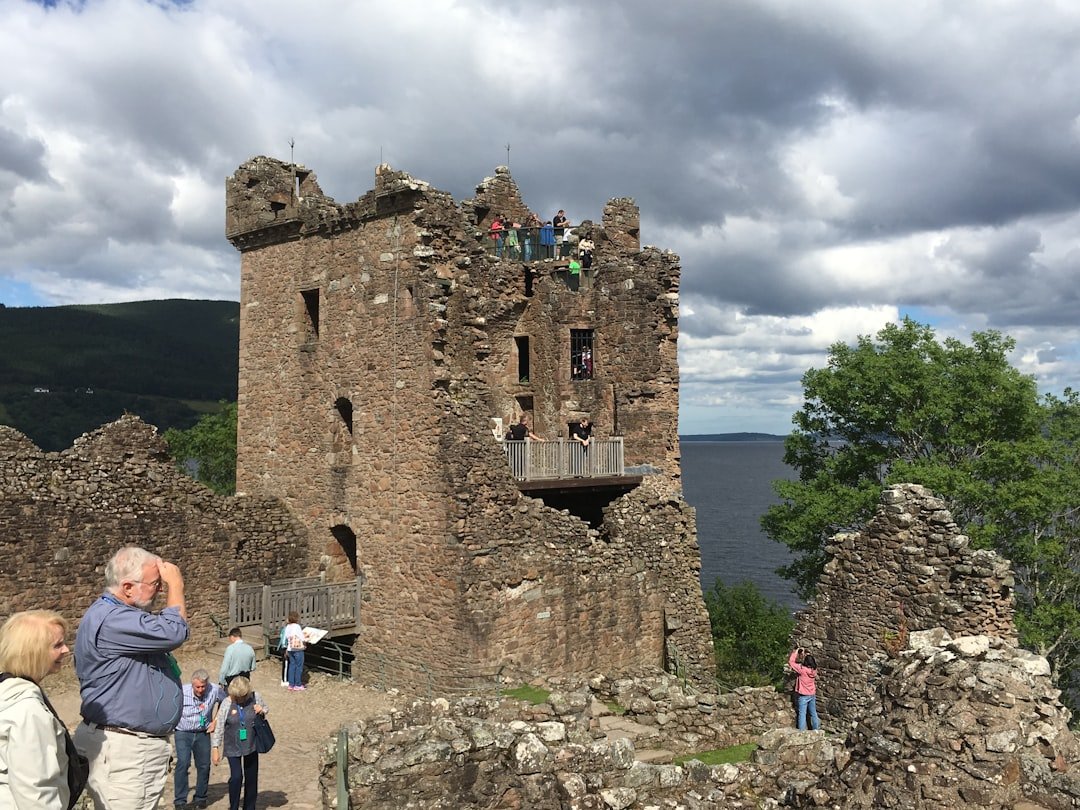
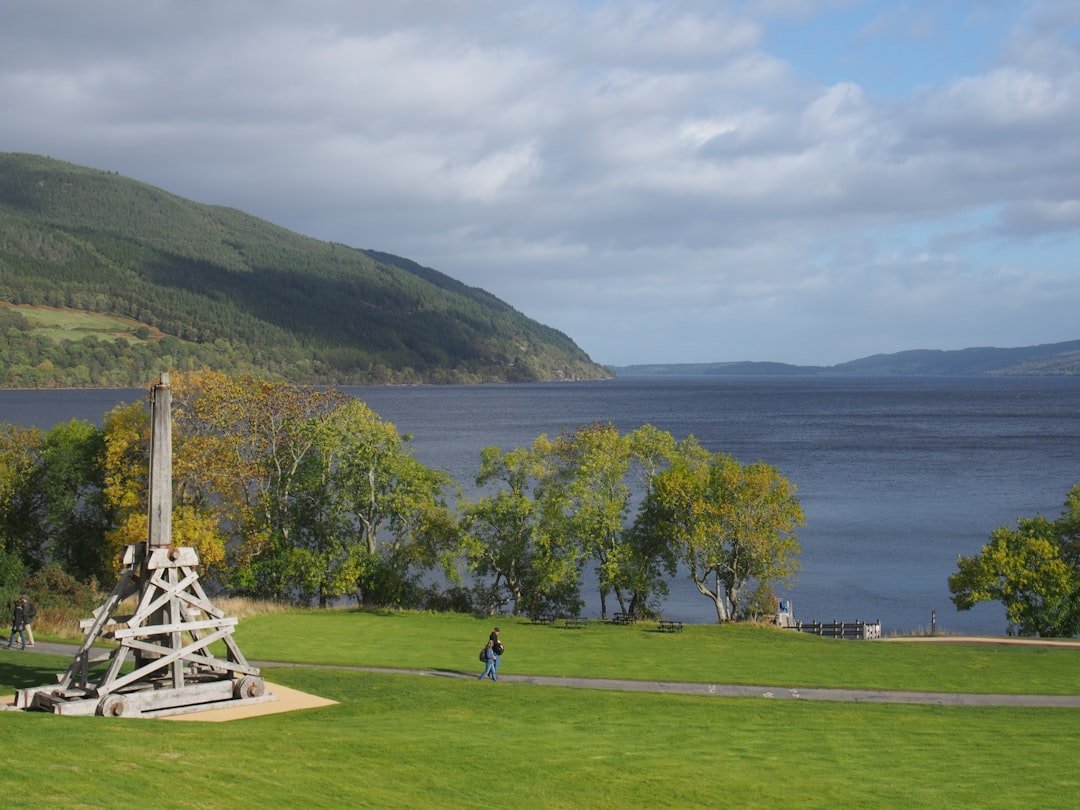
Urquhart Castle
Perched on the loch's rocky edge, Urquhart Castle offers panoramic views that have inspired generations of Nessie watchers. From its ruins, you can feel the chilly breeze off the water and hear the distant splash of waves. The castle's visitor centre houses exhibits covering local history and lore, including a nod to the elusive monster. Open daily from April to October, entry costs around £10, with guided tours available. I remember a damp afternoon here, the wind tugging at my scarf as my eyes scanned the waves for a shape that never came.
The Loch Ness Centre & Exhibition, Drumnadrochit
This modest yet insightful museum breaks down the science, history, and psychology behind the monster myth. From sonar images to eyewitness accounts, the exhibits invite you to decide for yourself. It's the perfect place to warm up after a bracing walk along the loch's shores, and the café serves a surprisingly good haggis pie: smoky, hearty, and just the right side of comforting. Open year-round with entry around £9.
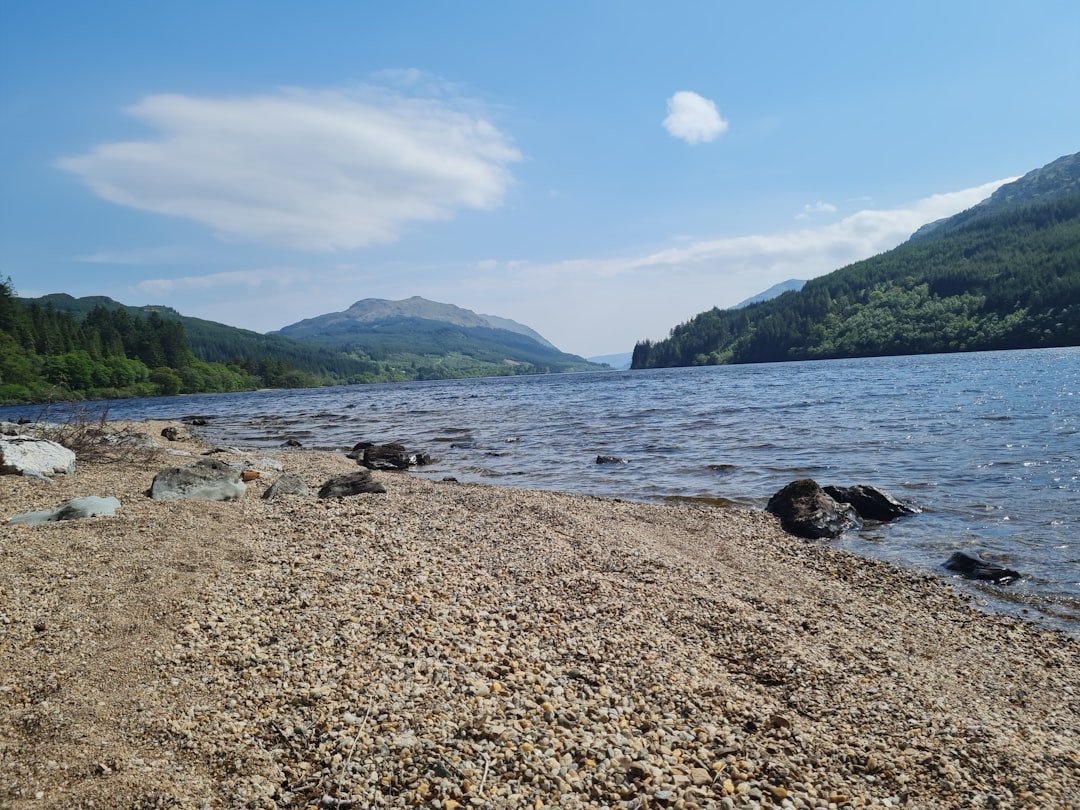
Dores Beach
A quieter vantage point on the southern shores, Dores Beach offers peace and excellent waterside views. The peaty scent of wet earth and pine fills the air here, and on a still day, the water mirrors the surrounding hills perfectly. A photographer's delight. Locals often gather here to fish or simply sit and watch the loch's moods. No monster sightings guaranteed, but plenty of atmosphere.
Visitor Tips for Loch Ness
- 1
Best time to visit - Late spring to early autumn offers milder weather and longer daylight hours.
- 2
Weather caution - The Highlands can be unpredictable; pack layers and waterproofs.
- 3
Getting around - Renting a car is the easiest way to explore the loch's many viewpoints at your own pace.
- 4
Local tours - Consider a boat tour from Inverness or Drumnadrochit to experience the loch from the water.
- 5
Budget - Entry fees to main sites are generally under £12; boat tours start around £15-20.
Tourism Impact
Loch Ness draws approximately 500,000 visitors annually, contributing significantly to the Highland economy.
A Timeline of Nessie's Most Notable Moments
Tracking the legend through history
| Year | Event | Significance |
|---|---|---|
| 565 AD | Saint Columba's sighting | Earliest recorded monster encounter |
| 1933 | Modern monster hysteria begins | First widespread sightings leading to media frenzy |
| 1934 | Surgeon's photo published | Iconic but later debunked image spreads worldwide |
| 1970s | Sonar explorations | Scientific attempts to locate large creatures come up empty |
| 1994 | Photo hoax revealed | Surgeon's photo confirmed as stunt |
| 2018 | Environmental studies | Modern ecological assessments underline loch's unique conditions |
"The monster is the loch itself. Deep, mysterious, and forever elusive. Nessie is less a creature and more a mirror of our imagination." - Local historian Fiona MacLeod
AccommodationStay22
A map of places to stay near an address
Liam O'Connor
Travel Editor at Vitano Magazine