Día de los Muertos: The Night the Dead Come Home

Nadia Petrova
2026年10月25日
Did you know?
Día de los Muertos is recognized by UNESCO as Intangible Cultural Heritage of Humanity (2008).
A Timeline of Death, Memory, and Resistance
From Mictlantecuhtli to UNESCO
| Year/Era | Event |
|---|---|
| Pre-16th century | Aztec and other Mesoamerican peoples hold month-long festivals for the dead; Mictlantecuhtli presides. |
| 1521 | Spanish conquest. Catholic All Saints’/All Souls’ Days replace indigenous calendar dates. |
| 18th–19th centuries | Sugar skull (calavera) and marigold (cempasúchil) traditions coalesce. |
| 20th century | Diego Rivera and José Guadalupe Posada popularize La Catrina, the dandy skeleton. |
| 2008 | UNESCO recognizes Día de los Muertos as Intangible Cultural Heritage. |
Plan your trip with AI
Turn inspiration into a real itinerary. Plan day-by-day routes, find the best spots, and share with friends.
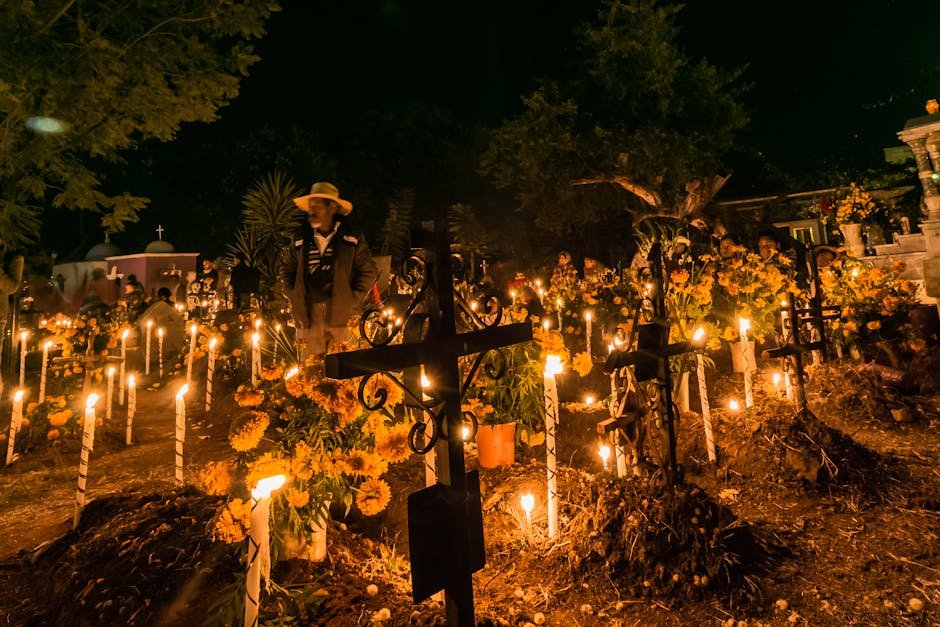
Oaxaca’s Cemeteries
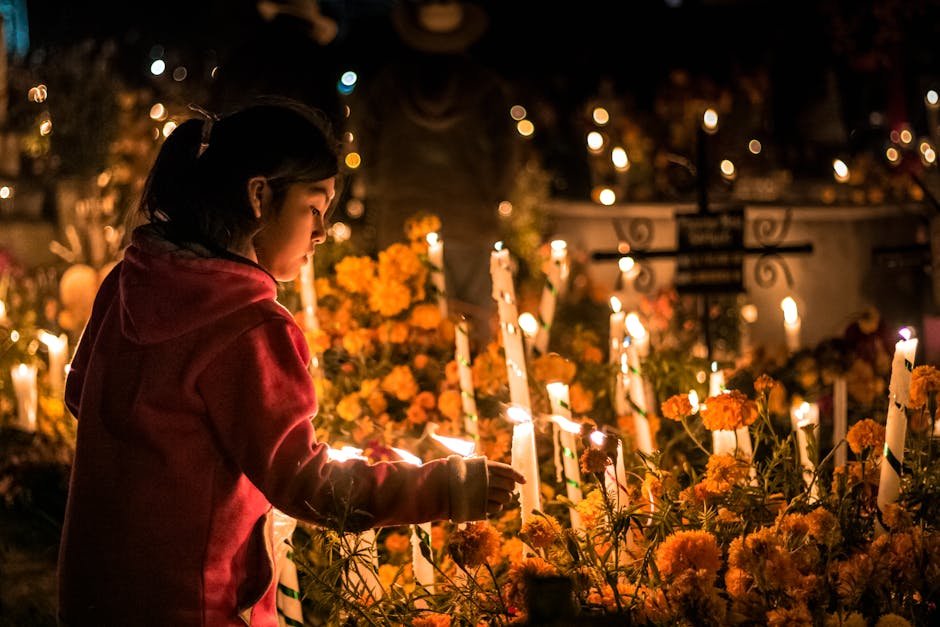
The Panteón General (San Miguel) transforms into a glowing city of altars, candles, and orange petals on November 1 and 2. Here, the annual dialogue with death is both solemn and exuberant: children play among graves, bands perform, and the living picnic amid the headstones-inviting the dead to join the feast.
“To remember is to return to live.” - Mexican proverb
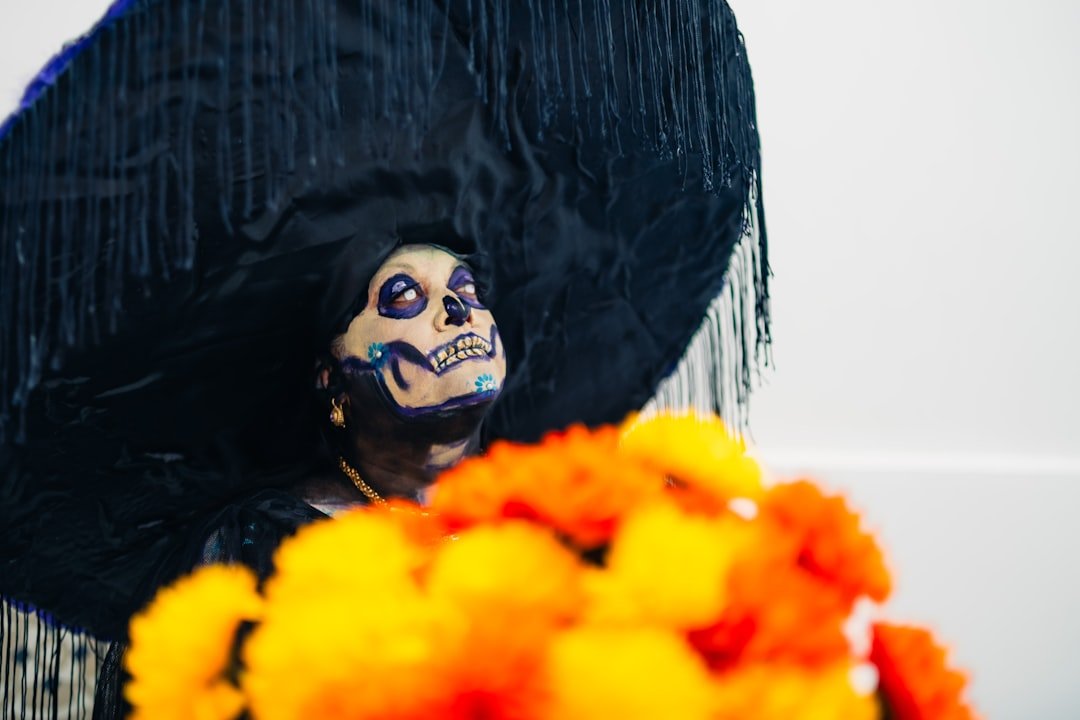
Ofrenda (Altar) Crafting
Altars appear in homes, galleries, public squares-each layered with candles, papel picado (cut paper banners), and offerings. The tradition echoes Aztec rites, where food and flowers ensured a smooth passage for the soul.
Pátzcuaro and Janitzio: The Fishermen’s Vigil
The Night Lake Glows
Good to Know
The Janitzio vigil is not a stage show. Photography at graves is discouraged unless invited. Ferries run from Pátzcuaro town (MX$120 round trip in 2025; book ahead for the nights of Nov 1–2). Nights on the lake are cold-bring layers.
Tours & ticketsGetYourGuide
Tours, entry tickets and day trips
Mixquic: Where the Oldest Shadows Fall
Mexico City’s Most Authentic Night
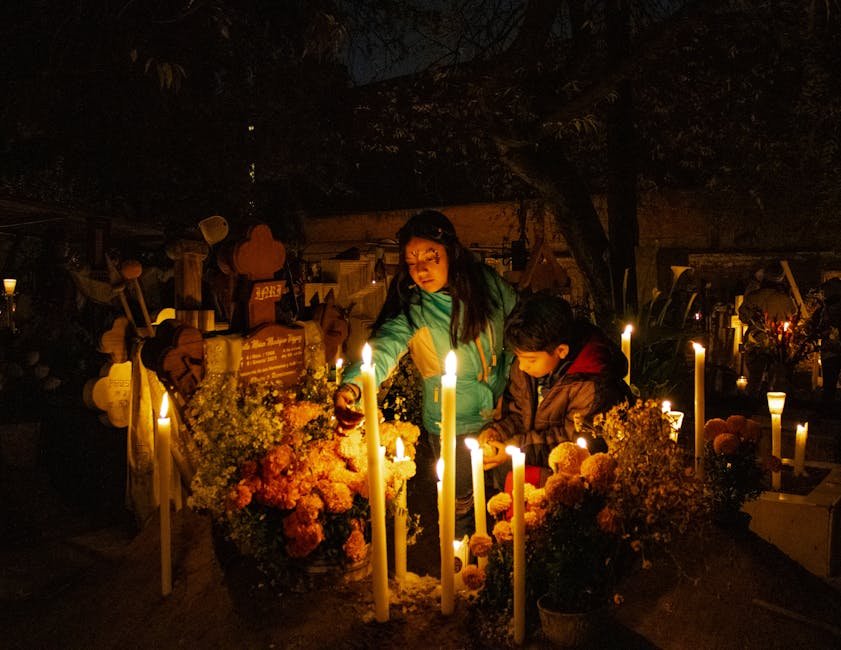
Mixquic Cemetery
In Mixquic, the transformation is total: homes, streets, and shopfronts all participate. It is less commercial than Oaxaca or Pátzcuaro, with most visitors being Mexican families. For the initiated, the first sight of the candlelit cemetery can feel like entering another century.
Essential Tips for Día de los Muertos
- 1
Arrive early - Especially in Mixquic and Janitzio, traffic snarls can double journey times. For Mixquic, Metro Line 12 to Tláhuac, then shared taxi.
- 2
Respect the ritual - Never touch altars or take close photos of mourners without permission.
- 3
Bring cash - ATMs are sparse and many stalls are cash-only. Expect MX$50–100 for street snacks, MX$250+ for a restaurant meal.
- 4
Stay warm - Nights are chilly, particularly by the lake: hats and scarves aren’t just decor.
Marigold Bridges and Symbolic Paths
Why Cempasúchil Still Matters
Did you know?
In 2024, over 42 million people in Mexico participated in some form of Día de los Muertos ritual.
What the Tourist Sees, What the Local Remembers
Panteón General (Oaxaca)
The city’s largest cemetery; open 24 hours during Día de los Muertos. Unforgettable nighttime vigils.
Janitzio Island (Lake Pátzcuaro)
Famous for Purepecha vigil; reach by ferry. Candlelit canoes are iconic.
San Andrés Mixquic
Traditional Night of the Dead processions and candlelit cemetery; less touristy.
AccommodationStay22
A map of places to stay near an address
Nadia Petrova
Travel Editor at Vitano Magazine