Japan's Yōkai Trail: Hunting Ghosts from Kyoto to Tottori

Yuki Tanaka
2026年10月6日
From Folklore to Footsteps: The Origins of Yōkai
Tracing the history and cultural roots of Japan's supernatural beings
Historical Context
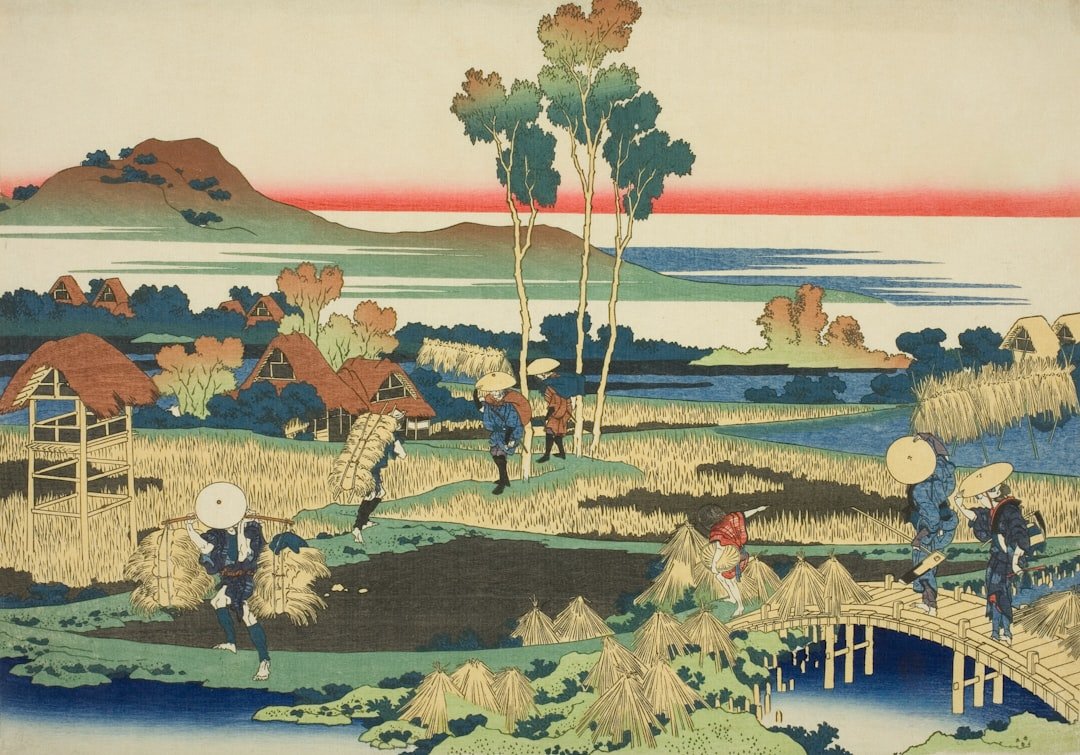
The classic yōkai depictions emerged prominently during the Edo period (1603–1868), a time when woodblock prints and storytelling flourished. Artists like Toriyama Sekien catalogued hundreds of these creatures, blending art, folklore, and social commentary.
Plan your trip with AI
Turn inspiration into a real itinerary. Plan day-by-day routes, find the best spots, and share with friends.
Did you know?
The word 'yōkai' combines the kanji for 'attractive' or 'bewitching' (妖) and 'specter' or 'mystery' (怪), emphasizing their ambiguous nature.
Kyoto's Ghost Walks: Where History and Haunting Converge
Exploring the city's spectral strolls through ancient streets
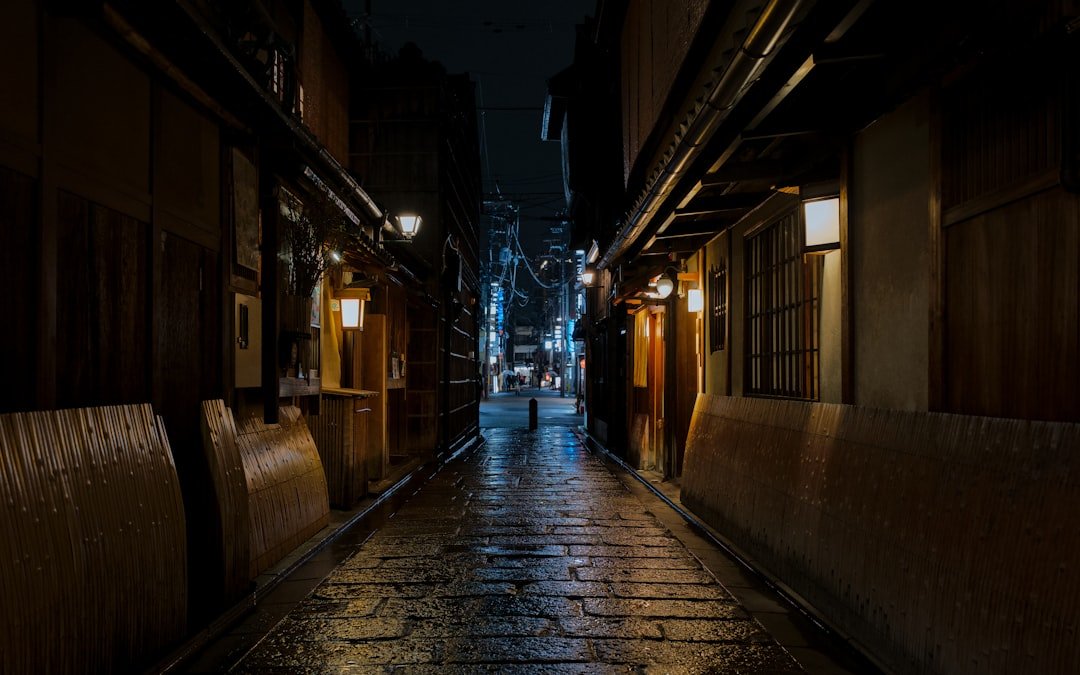
Kyoto Nighttime Alley
A dimly lit path framed by ancient wooden houses, where ghost stories come alive under the moon's gentle gaze.
Practical Info
Most guided ghost walks in Kyoto operate from April to November, avoiding the coldest winter months. Tours typically last 90 minutes to 2 hours and cost around ¥3,000–¥4,000. Booking ahead is recommended, especially during autumn's peak foliage season.
Surprise Fact
Many ghost stories in Kyoto are linked to real historical events, such as the Ōnin War (1467–1477), when the city was ravaged by conflict and countless souls were said to wander its ruins.
The Mizuki Shigeru Museum: Yōkai's Artistic Heartbeat
Sakaiminato's tribute to the master illustrator of yōkai lore
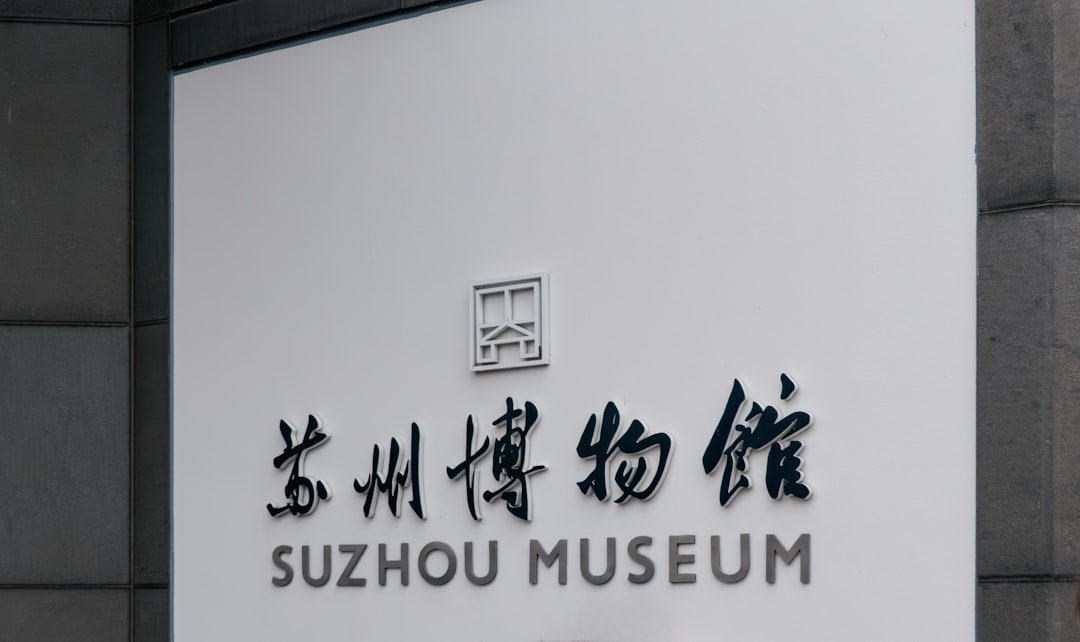
Mizuki Shigeru Museum, Sakaiminato
A vibrant celebration of yōkai through art, blending folklore with personal storytelling.
Visitor Information
Open daily except Tuesdays, from 9:00 AM to 5:00 PM. Admission is ¥700 for adults. Guided tours in English are available upon request. The best time to visit is in spring or fall when the nearby coast shimmers with seasonal colors.
Tours & ticketsGetYourGuide
Tours, entry tickets and day trips
Cultural Note
Mizuki Shigeru's depiction of yōkai often highlights their ambivalent nature-neither wholly evil nor entirely benign-challenging Western notions of ghosts and monsters.
Haunted Onsen: Bathing in the Spirits' Light
Where warmth and whispers mingle in Japan's ghostly hot springs
Scientific Note
Many onsen waters contain minerals like sulfur and radon, contributing to their healing properties. Folklore often emerged to explain these mysterious health benefits, attributing them to guardian spirits or yōkai.
Health Tip
Soaking in onsen with natural radon content is believed in Japan to stimulate circulation and aid recovery, blending science and myth in rejuvenating harmony.
Yōkai Trains: A Journey Through Folklore on Rails
When the everyday commute becomes a passage through legends
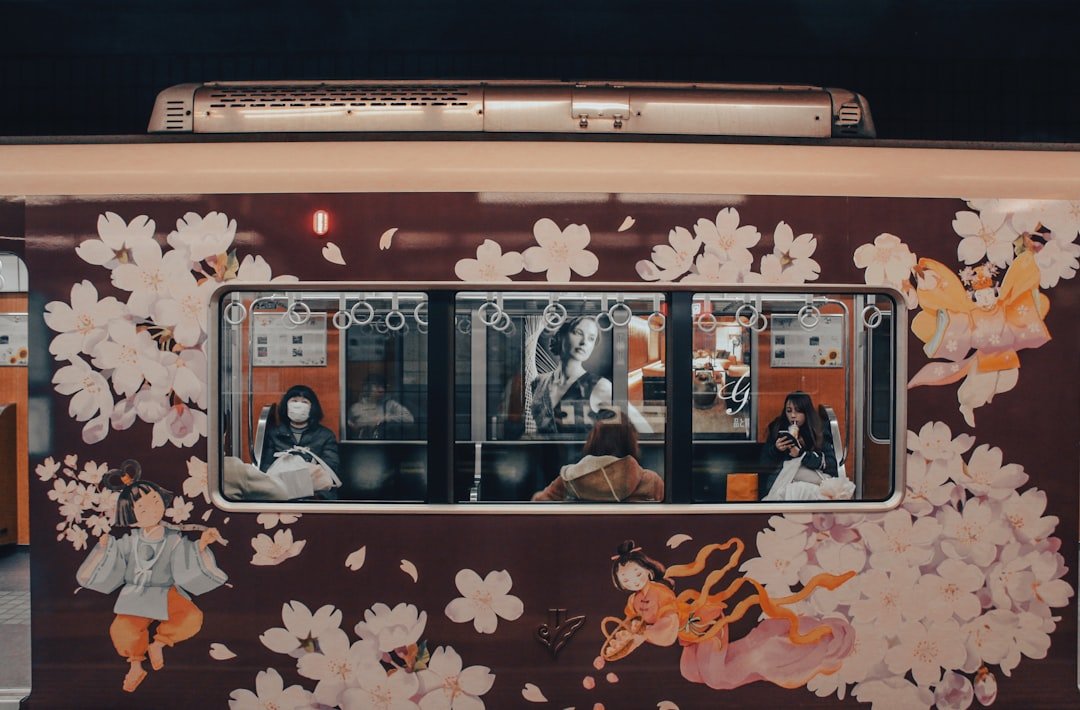
Yōkai-Themed Train, Sakaiminato
A colorful train journey that brings legendary creatures to life along the coast.
Visitor Tips for the Yōkai Trail
- 1
Plan your travel season wisely - Autumn offers stunning foliage in Kyoto and cooler temperatures perfect for ghost walks and onsen baths.
- 2
Learn a few Japanese phrases - Simple greetings enrich your interaction, especially when joining guided tours focusing on folklore.
- 3
Bring cash for small entry fees - Many local museums and tours prefer cash, typically around ¥500-¥3,000.
- 4
Consider guided tours - Especially in Kyoto and Sakaiminato, tours provide historical context and stories not found in guidebooks.
- 5
Respect local customs - Many yōkai sites are near shrines or natural areas; be mindful of etiquette and environmental preservation.
| Year | Event | Significance |
|---|---|---|
| 794 | Establishment of Heian-kyō (Kyoto) | Beginning of a rich cultural period shaping yōkai folklore |
| 1603–1868 | Edo Period | Growth of yōkai art and literature, including Toriyama Sekien's catalogs |
| 1960s | Mizuki Shigeru's Popularization of Yōkai | Revitalizing traditional yōkai in manga and mass media |
| 1993 | Opening of Mizuki Shigeru Museum | Dedicated space preserving and celebrating yōkai culture |
"Where there is a spirit, there is a story waiting to be told." - Mizuki Shigeru
AccommodationStay22
A map of places to stay near an address
Yuki Tanaka
Travel Editor at Vitano Magazine