Japan's Kissaten Culture: The Disappearing Art of the Coffee House

Japan's Kissaten Culture: The Disappearing Art of the Coffee House

Yuki Tanaka

Yuki Tanaka

November 10, 2026

4 min read· 15 views
There are places that receive you like a change in season. You step through a doorway and something in the air shifts. The light softens. The noise of the street falls away like water receding from stone. A kissaten in Kyoto's Gion district is such a place. The scent of freshly ground beans mingles with the faint musk of old wood and worn leather. A gentleman with silver hair, a regular, nodded at me in greeting as the barista carefully lit the siphon brewer, its glass bulbs glowing amber like a delicate alchemical experiment. In that moment, time seemed to slow, and the city's frenetic pulse softened into a gentle rhythm.

The Birth of Kissaten: Japan's Coffee House Tradition

Tracing the origins of Japan's unique coffee culture

Kissaten (喫茶店), literally "tea-drinking shop," emerged in Japan in the early 20th century but distinguished themselves by their dedication to coffee, particularly the art of siphon brewing. The first kissaten opened around 1910 during Japan's Taisho era (1912–1926), a time of rapid modernization and cultural curiosity. While Western-style cafes appeared sporadically in port cities like Yokohama, kissaten created a uniquely Japanese blend of Western coffee culture and domestic aesthetic restraint.

Historical Context

1910: The first kissaten opens in Tokyo's Ginza district, introducing siphon coffee brewing to Japan. By 1930, over 2,000 kissaten operate nationwide, becoming hubs of literature, music, and quiet contemplation.

Plan your trip with AI

Turn inspiration into a real itinerary. Plan day-by-day routes, find the best spots, and share with friends.

Coffee Science

Kissaten siphon brewing extracts coffee at a precise 92-95°C, a temperature scientifically proven to optimize acidity and sweetness.

The siphon, or vacuum coffee maker, is more than a brewing method. It is a slow ceremonial rite that commands patience and attention. The water gently heats in a lower chamber, bubbling upwards to meet the coffee grounds suspended in a glass globe. As heat is removed, gravity pulls the brewed coffee back down, leaving the spent grounds above. The process, lasting five to seven minutes, reveals the coffee's clarity and depth, free from bitterness.
“
"Coffee is not just a drink; it is a moment of silence in the clamor of our days." – Haruki Murakami, noted admirer of Japanese coffee culture

The Atmosphere: More Than Just Coffee

Inside a kissaten's timeless embrace
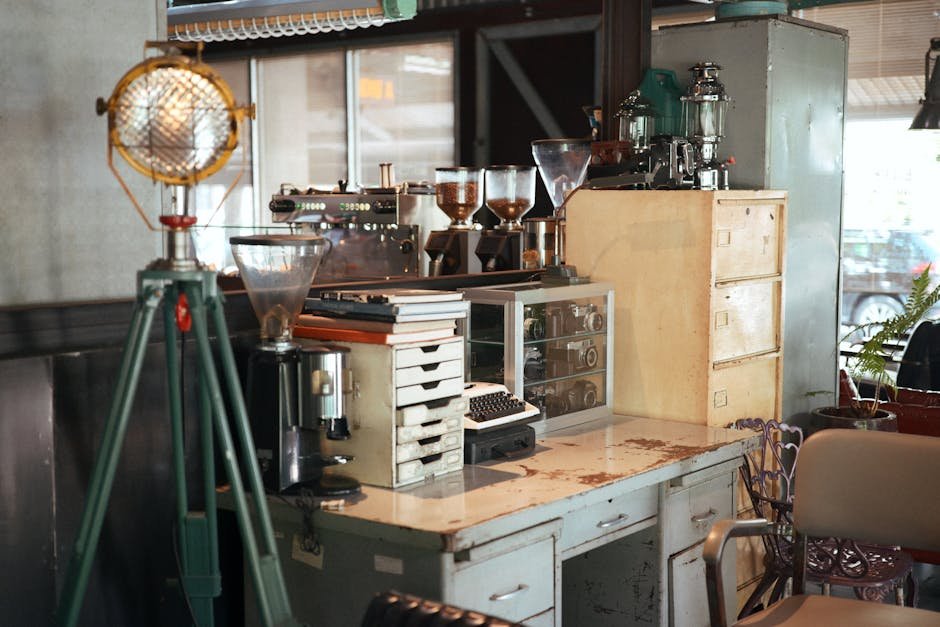
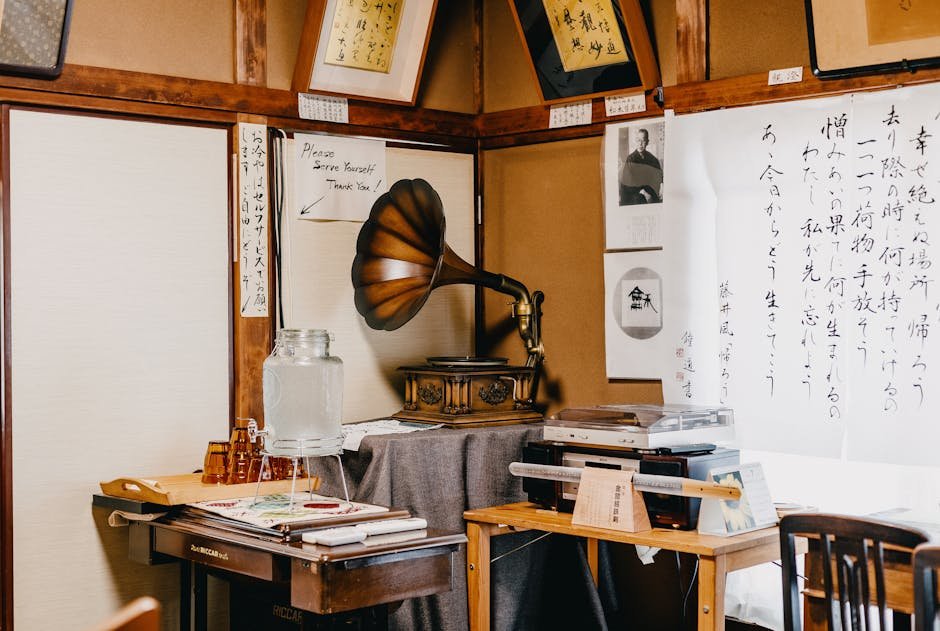
Walking into a kissaten is like stepping into a sepia-toned film. Velvet armchairs invite you to sink slowly while classical records spin softly on a vintage gramophone. The light filters through stained glass or shoji screens, casting gentle patterns that shift with the seasons. Elderly patrons, some reading faded newspapers or quietly watching the world outside, remind you that this is a space for reflection rather than conversation.
Cozy coffee shop corner with vintage decor and retro equipment, perfect for a classic vibe.

Kayaba Coffee, Tokyo

Established in 1938 in the Yanaka district, Kayaba Coffee is an archetype of the kissaten spirit. Its weathered wood facade and low hum of piano jazz create a comforting cocoon. I watched the barista carefully handle the siphon, timing each step with meditative precision. The house blend, a medium-roast Colombian, was rich but soft, with hints of caramel and a velvet finish.

Demographic Insight

Over 80% of kissaten regulars in Tokyo today are over 60 years old, signaling a generational shift that threatens their survival.

Tours & ticketsGetYourGuide

Tours, entry tickets and day trips

The music played in kissaten is often carefully curated classical or jazz recordings, chosen to complement the slow pace. No jarring beats, only melodies that nurture thought and calm. This aural backdrop, combined with the tactile warmth of a weighted ceramic cup, forms a multisensory embrace that invites mindfulness.

What to Order: The Kissaten Ritual

Beyond the coffee - food, drink, and experience

The kissaten menu is minimal but deliberate. Coffee is the centerpiece, often offered as single-origin brews prepared via siphon coffee makers or hand-drip methods. Popular orders include the "Blend Coffee" (ブレンドコーヒー), house-roasted for balance, or the "Vienna Coffee" topped with a thick dollop of fresh cream. Alongside, you might find delicate toast served with homemade jams, light sandwiches, or a dense, buttery cheesecake; comfort foods that honor simplicity.

Visitor Tips for Kissaten Lovers

  • 1

    Arrive Mid-Morning - Kissaten fill with regulars early; mid-morning visits offer quiet and attentive service.

  • 2

    Learn Key Phrases - Politeness matters; simple phrases like "Kōhī o kudasai" (please give me coffee) go a long way.

  • 3

    Bring Cash - Most kissaten do not accept credit cards; carry small bills and coins.

  • 4

    Respect the Atmosphere - Phones on silent, conversations low-these are spaces for contemplation.

Kayaba Coffee
4.7

Classic Tokyo kissaten with siphon coffee and jazz records.

Coffee approx. ¥600–¥8001-15-16 Yanaka, Taito City, Tokyo 110-0001
Inoda Coffee, Kyoto
4.6

Established 1947, famous for rich blends and spacious retro interiors.

Coffee approx. ¥700–¥90084-1 Karasuma-dori, Sanjo, Nakagyo-ku, Kyoto 604-8004
Cafe de L'Ambre, Tokyo
4.8

Founded 1948 in Ginza, specializing in aged beans and siphon brewing.

Coffee approx. ¥900–¥15008-10-15 Ginza, Chuo City, Tokyo 104-0061
YearEventSignificance
1910First kissaten opens in TokyoIntroduction of siphon coffee brewing to Japan
1938Kayaba Coffee establishedIconic Tokyo kissaten embodies traditional ambiance
1947Inoda Coffee opens in KyotoExpansion of kissaten culture beyond Tokyo
2020Less than 500 kissaten remain nationwideSharp decline due to aging clientele and urban redevelopment

Scientific Brew Insight

Siphon coffee brewing reduces caffeine bitterness by extracting compounds at lower temperatures than espresso.

Kissaten are more than coffee shops; they are cultural time capsules. In an era when Starbucks and convenience store coffee chains dominate, the kissaten's deliberate pace reminds us to savor the moment. Their soft, fading glow still ignites connection: to the past, to artful craft, to mindful presence.
As a traveler and yoga practitioner, I find these spaces akin to breaths between asanas, pauses to ground and center. Visiting a kissaten is a practice in slowing down, opening the senses to subtlety and grace. It is an invitation to appreciate the delicate dance of heat and aroma, sound and stillness, human ritual and quiet company.
For those who seek more than caffeine, who desire a sip of history and a moment of mindfulness, the kissaten offers a rare sanctuary. May we cherish their fading light and honor the gentle art of the coffee house before it slips quietly into memory.

AccommodationStay22

A map of places to stay near an address

Yuki Tanaka

Yuki Tanaka

Travel Editor at Vitano Magazine
You might also enjoy

The Perfect Pad Thai: Bangkok's Street Vendors Guard an 80-Year Secret
Food & Culture7 min

The Perfect Pad Thai: Bangkok's Street Vendors Guard an 80-Year Secret

I know what you're thinking - pad thai is just tourist food, right? Wrong. This dish carries the weight of national identity, born from a 1938 government decree that changed Thailand forever. After eating my way through 47 different versions across Bangkok, I discovered why some vendors still guard their 80-year-old secrets.

PS
Priya Sharma
11/03/2026
The Perfect Goulash: How a Cattle Herder's Stew Conquered Europe
Food & Culture8 min

The Perfect Goulash: How a Cattle Herder's Stew Conquered Europe

From the dried meat pouches of 9th-century Magyar horsemen to the steaming bowls of Budapest's grand cafés, goulash tells the story of a continent shaped by migration, trade, and the simple human need for sustenance. What began as gulyás on the Hungarian puszta became Austria's comfort food, Prague's national dish, and Germany's Sunday dinner - each transformation revealing how cultures digest and reimagine the foods they encounter.

ER
Elena Rossi
10/15/2026
Japan's Yōkai Trail: Hunting Ghosts from Kyoto to Tottori
Hidden Gems5 min

Japan's Yōkai Trail: Hunting Ghosts from Kyoto to Tottori

In the soft shadows of Japan’s ancient landscapes, there lives a world both eerie and enchanting-the realm of yōkai. These supernatural beings, from the mischievous kappa lurking in river pools to the elusive tengu soaring above forested peaks, have been part of Japan’s folklore for centuries. Journey with me from the timeless streets of Kyoto to the misty coastlines of Tottori, where yōkai legends leap off the pages of old scrolls into vivid, haunting life.

YT
Yuki Tanaka
10/06/2026