The Perfect Pad Thai: Bangkok's Street Vendors Guard an 80-Year Secret

The Perfect Pad Thai: Bangkok's Street Vendors Guard an 80-Year Secret

Priya Sharma

November 3, 2026

7 min read· 23 views

I know what you're thinking - pad thai is just tourist food, right? Wrong. This dish carries the weight of national identity, born from a 1938 government decree that changed Thailand forever. After eating my way through 47 different versions across Bangkok, I discovered why some vendors still guard their 80-year-old secrets.

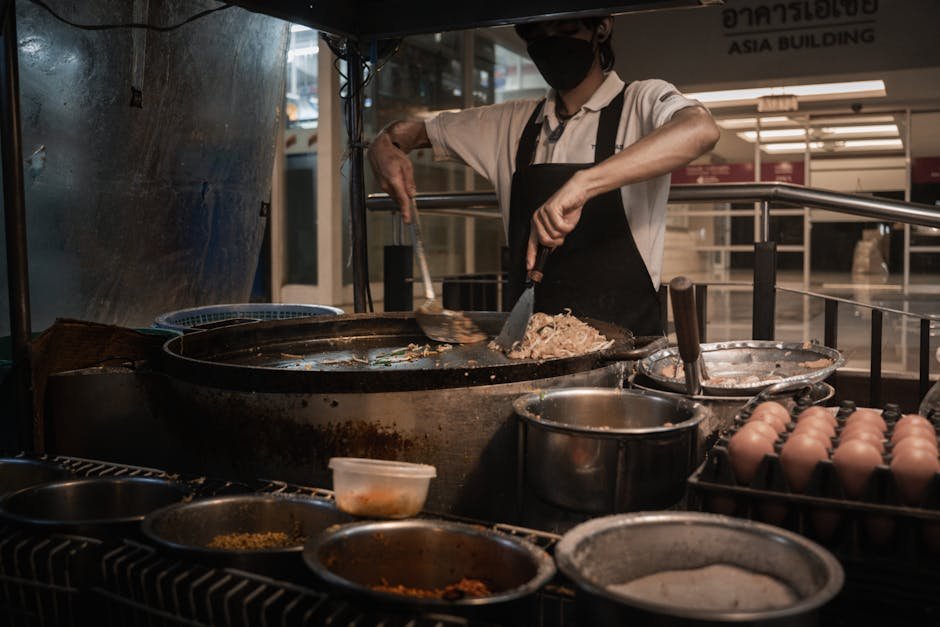
Standing at a cramped street stall in Chinatown at 11 PM, watching Aunty Nim work her ancient wok over roaring flames, I realized I'd been eating pad thai wrong my entire life. The 73-year-old vendor barely looked up as she tossed noodles with the precision of a conductor, her recipe unchanged since her grandmother taught her in 1952. 'Government recipe,' she said in broken English, pointing to a faded certificate on her cart. 'But we make better.'

When Politics Created Thailand's National Dish

How Field Marshal Phibunsongkhram engineered cultural identity through noodles

Most people don't know that pad thai exists because of politics, not tradition. In 1938, Field Marshal Plaek Phibunsongkhram faced a rice shortage and wanted to build Thai national identity. His solution? Create an official noodle dish that would reduce rice consumption and give Thailand a signature food to rival China's chow mein and Italy's spaghetti.

Plan your trip with AI

Turn inspiration into a real itinerary. Plan day-by-day routes, find the best spots, and share with friends.

“
The recipe was distributed to vendors nationwide with government-issued pamphlets. Every Thai citizen would know how to make the same dish, creating unity through food. It was social engineering through street food.
The original recipe called for rice noodles, dried shrimp, preserved turnip, tofu, egg, tamarind, palm sugar, fish sauce, and peanuts. Simple ingredients that were affordable for working-class families. But here's what the government didn't anticipate - vendors started improving it.

Street Food Empire

87 years later, there are over 40,000 pad thai vendors in Bangkok alone

The Queue That Starts at 5 PM

Why Thip Samai became Bangkok's pad thai pilgrimage site
Every food blogger writes about Thip Samai, and honestly, I was skeptical. How good could pad thai be if tourists line up for it? But after spending three evenings there, interviewing both vendors and locals, I understood. This isn't just hype - it's history you can taste.
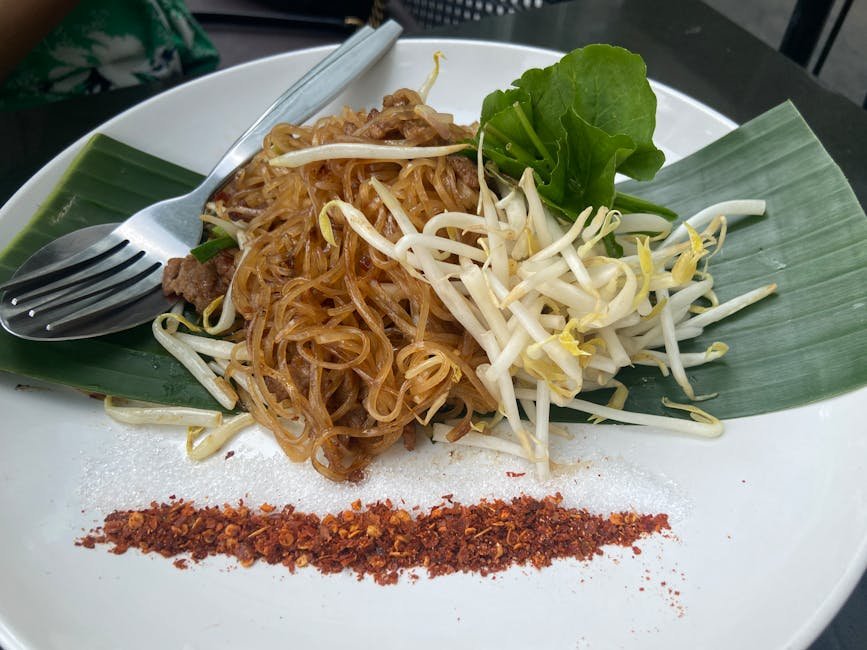
Close-up of traditional Pad Thai noodles garnished with sprouts and chili in Bangkok, Thailand.

Thip Samai Restaurant

The legendary pad thai institution where flames dance and noodles achieve perfection through generations of family recipes

The secret isn't just the recipe - it's the technique. Third-generation owner Sirichalerm Svasti showed me their tamarind paste, aged in clay pots for six months. The dried shrimp comes from Samut Sakhon, sun-dried for exactly 15 days. The wok temperature must hit 400°C, hot enough to create 'wok hei' - that smoky flavor you can't replicate at home.
But here's what surprised me most: the best pad thai at Thip Samai isn't their famous wrapped-in-egg version. It's the 180 THB 'Superb' - made with jumbo prawns and premium tamarind that tastes like liquid sunshine. Yes, it's expensive for street food. Yes, it's worth every baht.

Thip Samai Survival Guide

  • 1

    Arrive by 4:45 PM - the queue starts forming before they open at 5 PM

  • 2

    Order the 'Superb' version - 180 THB for jumbo prawns and premium ingredients

  • 3

    Ask for extra lime - they're generous with it, and acidity balances the sweetness

  • 4

    Skip the wrapped version first visit - try the classic preparation first

  • 5

    Bring cash - no cards accepted, ATM nearby on Maha Chai Road

Fire Wok vs. Gentle Heat: The Great Pad Thai Divide

Why cooking technique matters more than ingredients

In Ari district, I found Pad Thai Fai Ta Lu - literally 'fire falling pad thai.' The vendor, Khun Somchai, cooks over flames so intense I had to step back from the heat. His technique is pure theater: noodles tossed six feet in the air, ingredients added in rapid-fire succession, the wok never leaving the flame for more than three seconds.
The result? Noodles with a slight char, shrimp that's perfectly bouncy, and that elusive smokiness that separates good pad thai from transcendent pad thai. At 60 THB, it costs the same as mediocre versions elsewhere, but tastes like it should cost 300 THB.
Compare this to the gentle-heat approach at upscale restaurants in Silom. At Baan Khanitha, they charge 350 THB for pad thai made with organic ingredients and artisanal technique. It's beautiful, Instagram-worthy, and tastes like expensive disappointment. The noodles lack character, the flavors feel muted, and you realize that pad thai needs rough treatment to reach its potential.
Pros
  • Street versions have authentic wok hei flavor from high-heat cooking
  • Vendors perfect their technique through thousands of repetitions daily
  • 60-80 THB price point makes experimenting affordable
  • Most vendors use family recipes passed down through generations
Cons
  • Quality varies wildly between vendors
  • Hygiene standards can be concerning for sensitive stomachs
  • No air conditioning in Bangkok's oppressive heat
  • Language barriers make customizing orders difficult

The Ingredients That Actually Matter

Why your home version will never taste the same

After eating 47 different pad thais, I became obsessed with understanding why some vendors achieve magic while others serve mediocrity. The answer isn't mystical - it's methodical. Three ingredients separate amateur from artisan: tamarind paste, dried shrimp, and palm sugar.
Premium tamarind paste costs 400 THB per kilogram versus 80 THB for the cheap stuff. The expensive version is made from mature tamarind pods, fermented for months, with a complexity that balances sweet and sour without the harsh acidity of young tamarind. Cheap versions taste like vinegar with sugar.

Tours & ticketsGetYourGuide

Tours, entry tickets and day trips

IngredientStreet Price (THB)Premium Price (THB)Taste Difference
Tamarind Paste80/kg400/kgHarsh vs. Complex
Dried Shrimp200/kg800/kgFishy vs. Sweet
Palm Sugar60/kg180/kgCloying vs. Caramel
Rice Noodles40/kg120/kgMushy vs. Chewy
Dried shrimp quality is even more crucial. The best vendors use Grade A shrimp from Samut Sakhon - large, orange-pink, with no fishy odor. Cheap dried shrimp smells like low tide and overpowers the dish. Premium shrimp adds umami depth without fishiness, costing four times more but transforming the entire flavor profile.

Spot Quality Ingredients

Look for vendors who store tamarind paste in covered containers (not open bowls), use plump orange dried shrimp (not gray or black ones), and cook with coconut palm sugar blocks rather than refined white sugar. These details indicate a vendor who cares about quality over profit margins.

Chinatown vs. Ari vs. Silom: A Neighborhood Battle

How location shapes pad thai personality

Each Bangkok neighborhood puts its stamp on pad thai, and after systematically eating through all three major areas, the differences are stark. Chinatown vendors add Chinese influences - more soy sauce, extra egg, sometimes a touch of sesame oil. The result is richer, heavier, designed to fuel manual laborers through 12-hour days.
Ari's hipster food scene produces lighter, more balanced versions. Vendors here cater to young Thais and expat residents who want authentic flavor without the grease. They use less oil, more vegetables, and often offer brown rice noodle options. It's pad thai for people who eat it three times a week, not once a month.
Silom's business district creates the most interesting dynamic. Office workers need fast, clean, consistent pad thai they can eat at their desks. This pressure has created some of Bangkok's most efficient vendors - perfect technique, consistent flavor, served in 90 seconds. The trade-off? Less soul, more predictability.
Aunty Nim's Cart (Chinatown)
4.7

Yaowarat Road institution with 70-year family recipe, best after 10 PM

60 THBYaowarat Road, near Wat Traimit
Pad Thai Fai Ta Lu (Ari)
4.8

Fire-wok technique creates perfect char and wok hei flavor

60 THBAri Soi 1, opposite BTS station
Thip Samai (Old City)
4.5

Tourist pilgrimage site with premium ingredients and technique

120-180 THB313 Maha Chai Road

The 60 THB vs. 350 THB Question

When expensive doesn't mean better

Here's the uncomfortable truth about Bangkok's pad thai scene: price and quality don't correlate the way you'd expect. I've eaten 350 THB pad thai that tasted like expensive mediocrity and 60 THB versions that made me understand why this dish conquered the world.
The expensive versions often fail because restaurants try to 'elevate' pad thai by making it delicate. They reduce the oil to appear healthy, use mild tamarind to avoid offending Western palates, and cook at lower temperatures to prevent char. The result is technically proficient but emotionally vacant - pad thai with its soul surgically removed.
Street vendors can't afford to be polite. They cook for Thais who grew up eating pad thai and will abandon any vendor who serves inferior versions. This Darwinian pressure creates excellence through necessity. Survival of the most delicious.
That said, the best pad thai I ate cost 180 THB at Thip Samai - proof that premium ingredients matter when handled by masters. But the worst cost 450 THB at a rooftop restaurant in Silom, where they served Instagram-worthy nonsense that would make Field Marshal Phibunsongkhram weep.

Volume = Perfection

The best pad thai vendors sell 300-500 plates daily - that's one every 90 seconds during peak hours

What the Government Didn't Expect

How pad thai became bigger than its political origins

Field Marshal Phibunsongkhram wanted to create national unity through food, but he accidentally created something more powerful - a dish that could adapt to any palate while maintaining its essential character. Thai vendors in London add curry powder. Vietnamese versions use different noodles. American Thai restaurants make it sweeter for local tastes.
Yet the core remains unchanged: the sweet-sour-salty balance, the textural contrast of soft noodles and crunchy peanuts, the aromatic complexity of tamarind and fish sauce. It's a dish that travels well because its foundation is so solid.
Walking through Bangkok's streets at night, past dozens of pad thai vendors each perfecting their version of an 87-year-old government recipe, I realized Phibunsongkhram achieved something remarkable. He created not just a national dish, but a canvas for individual expression. Every vendor adds their signature - a touch more lime, slightly different noodle timing, their grandmother's secret ingredient.
The result is thousands of variations on a single theme, each reflecting the person behind the wok. It's democracy through street food - the government created the framework, but the people made it their own.

Final Reality Check

Don't let perfect be the enemy of good. Yes, some pad thai is transcendent. But even mediocre pad thai from a random Bangkok street cart will likely surpass the best version in your hometown. The real secret isn't finding the perfect vendor - it's understanding that pad thai is living history, shaped by politics, perfected by competition, and served with the confidence that comes from feeding a nation for 87 years.

AccommodationStay22

A map of places to stay near an address

Priya Sharma

Travel Editor at Vitano Magazine
You might also enjoy

Japan's Kissaten Culture: The Disappearing Art of the Coffee House
Food & Culture4 min

Japan's Kissaten Culture: The Disappearing Art of the Coffee House

In the quiet corners of Tokyo, Kyoto, and Osaka, the soft clatter of ceramic cups and the slow drip of siphon coffee machines mark the heartbeat of a fading era. Kissaten, Japan’s old-school coffee houses, embody a meditative pause in the rush of modern life. These velvet-upholstered sanctuaries of classical music and ritualized brewing are vanishing-whispering stories of a gentler, slower Japan that many never knew existed.

YT
Yuki Tanaka
11/10/2026
The Perfect Goulash: How a Cattle Herder's Stew Conquered Europe
Food & Culture8 min

The Perfect Goulash: How a Cattle Herder's Stew Conquered Europe

From the dried meat pouches of 9th-century Magyar horsemen to the steaming bowls of Budapest's grand cafés, goulash tells the story of a continent shaped by migration, trade, and the simple human need for sustenance. What began as gulyás on the Hungarian puszta became Austria's comfort food, Prague's national dish, and Germany's Sunday dinner - each transformation revealing how cultures digest and reimagine the foods they encounter.

ER
Elena Rossi
10/15/2026
Fermented World Tour: From Kimchi to Kvass to Chicha
Food & Culture4 min

Fermented World Tour: From Kimchi to Kvass to Chicha

Fermentation is a universal language spoken through the bubbling jars and earthen pots of every culture. From the spicy tang of Korean kimchi to the effervescent fizz of Russian kvass and the ancient maize brew of Peruvian chicha, fermented foods are living history on our plates. Join me on a sensory journey that unpacks the science, the stories, and the global traditions that make fermentation a delicious glimpse into humanity’s past and present.

ER
Elena Rossi
09/29/2026