Fermented World Tour: From Kimchi to Kvass to Chicha

Fermented World Tour: From Kimchi to Kvass to Chicha

Elena Rossi

Elena Rossi

2026年9月29日

4 min read· 13 views
Seoul's Gwangjang Market does not greet you gently - it seizes you. The air itself is a fermented manifesto: sharp, briny, alive with the breath of a thousand earthenware jars. Kimchi, that ancient alchemist's triumph, has been transforming humble napa cabbage into something electric since the Three Kingdoms period, its pungent fire proof of centuries of Korean ingenuity. Che storia, what a story - because fermentation is never merely a food technique. It is a bridge connecting ancient traditions with modern palates, science, and health, and every jar, barrel, and clay pot along the way has a character worth knowing.

The Science of Fermentation: Nature's Alchemy

Why fermentation works and how it preserves and transforms food

At its core, fermentation is a biochemical dialogue between microbes and food substrates. Lactic acid bacteria (LAB) convert sugars into lactic acid in a process called lactofermentation, lowering pH and creating an environment hostile to harmful pathogens. This naturally preserves foods while enhancing their flavors and nutritional profile. The same process explains why kimchi, sauerkraut, and injera share a tangy note despite their vastly different origins.

Lactofermentation Facts

Lactic acid bacteria produce not only lactic acid but also bacteriocins-natural antimicrobials that inhibit spoilage. This was likely discovered accidentally by ancient peoples as a way to store food longer, predating refrigeration by thousands of years.

Plan your trip with AI

Turn inspiration into a real itinerary. Plan day-by-day routes, find the best spots, and share with friends.

Did you know?

Archaeologists found ceramic vessels containing traces of fermented beverages dating back to 7000 BCE in Jiahu, China-one of the earliest evidences of fermentation in human history.

Fermented Classics Around the World

A sensory passport through eight iconic fermented foods and drinks
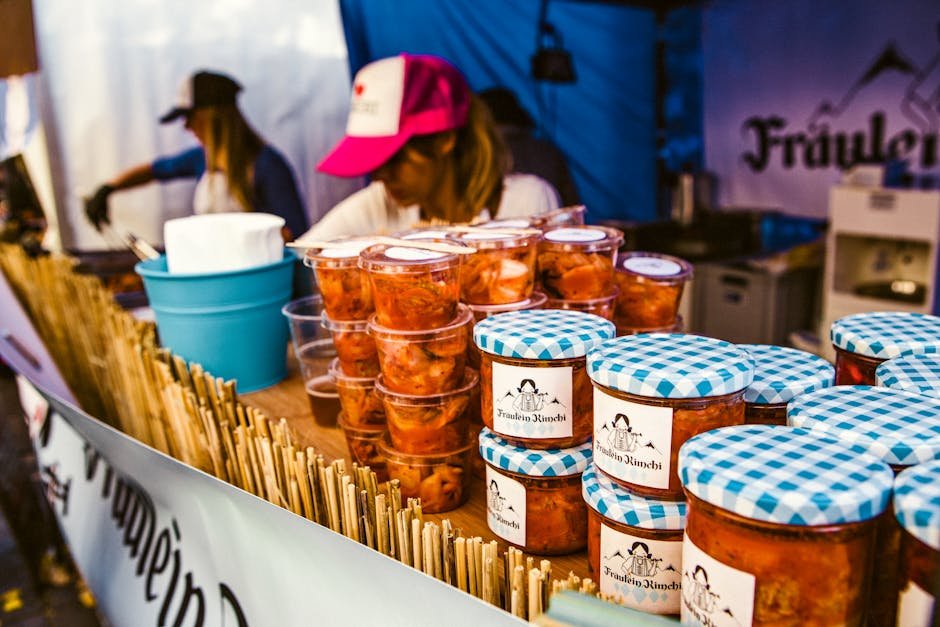
Let's start in Korea, where kimchi reigns supreme. This fermented vegetable dish, traditionally made with napa cabbage and Korean radishes, is seasoned with chili powder, garlic, ginger, and salted seafood. The fermentation process not only preserves the vegetables through harsh winters but also produces beneficial probiotics. The recipe's roots reach back to the Three Kingdoms period (57 BCE–668 CE), evolving regionally over centuries.
Colorful jars of kimchi at Berlin street market stall with sellers.

Seoul's Gwangjang Market

Here, vendors stack large earthenware jars brimming with kimchi. The air is thick with spicy, garlicky aromas, punctuated by the chatter of locals and tourists sampling this fermented treasure. Visiting in late autumn offers the best time to witness kimjang, the traditional kimchi-making season, which UNESCO has recognized as intangible cultural heritage.

Traveling north-east, I found myself cradling a wooden cup of kvass in a chilly Russian winter market. Kvass is a lightly fermented bread drink made by fermenting rye bread with water and sugars. It's naturally effervescent, mildly sour, and historically a staple in Eastern Europe and Russia. In fact, in 16th-century Russia, kvass was considered a daily necessity almost as much as bread itself.

Kvass in Russian History

By the 17th century, kvass became so popular that the Russian Tsar issued regulations controlling its production to ensure quality and taxation. It was even used as a base for traditional soups like okroshka.

Surprising Fact

Kvass contains only about 1% alcohol, making it a low-alcohol beverage enjoyed by all ages.
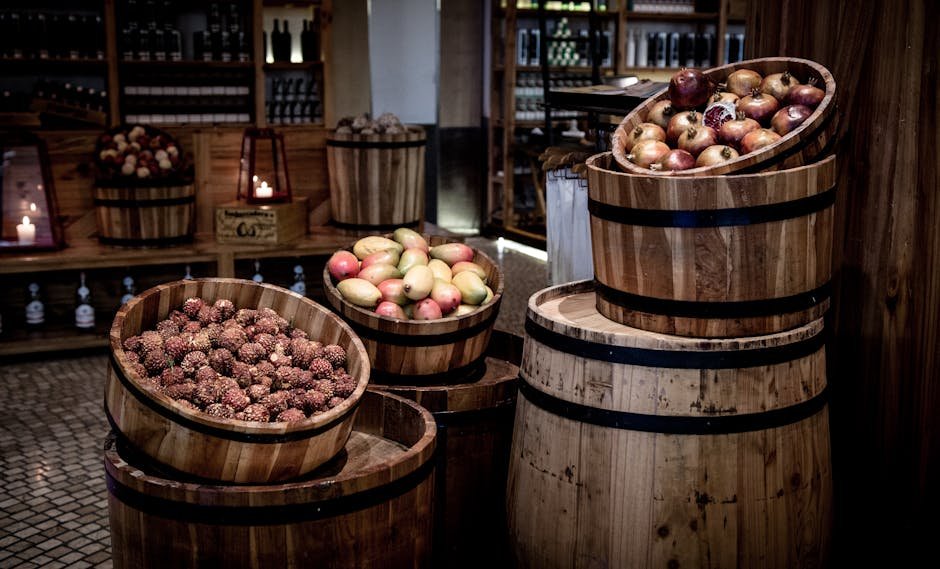
Wooden barrels filled with various fruits in a rustic indoor setting.

Moscow's Izmaylovsky Market

Vendors here offer fresh kvass in traditional barrels, their stalls echoing with lively barter and laughter. Sampling kvass alongside hearty pirozhki brings a taste of Russian communal life steeped in centuries of shared fermentation knowledge.

Half a world away, in the Andean highlands of Peru, chicha de jora is a traditional fermented corn beverage brewed from germinated maize with pineapple, cinnamon, and cloves. This beverage traces back to the Inca Empire and beyond, where maize was sacred and central to communal rituals. The fermentation adds a gentle effervescence and complexity that elevates the humble corn into a festive elixir.
Traditional chicha morada with purple corn, lime, and cinnamon on a rustic table.

Cusco's San Pedro Market

Here, amidst stalls brimming with quinoa, fresh herbs, and tubers, vendors ladle out chilled glasses of chicha morada. The smell of cinnamon and tropical fruit mingles with mountain air. Visiting during Inti Raymi, the Festival of the Sun, you can witness chicha's ceremonial role, connecting past and present.

Fermented Food/DrinkOriginPrimary IngredientCommon MicrobesHistorical Era
KimchiKoreaNapa cabbageLactobacillus spp.Three Kingdoms Period (57 BCE–668 CE)
KvassRussiaRye breadLactobacillus, Saccharomyces spp.16th century
ChichaPeruMaizeVarious wild yeasts, LactobacillusInca Empire (1400–1533 CE)
MisoJapanSoybeansAspergillus oryzaeNara Period (710–794 CE)
SauerkrautGermanyCabbageLeuconostoc mesenteroides400 BCE
TepacheMexicoPineappleWild yeasts, LactobacillusPre-Columbian era
InjeraEthiopiaTeff flourSaccharomyces, Lactobacillus3000 BCE
I've also savored miso in a serene Kyoto temple garden, the rich umami of fermented soybeans whispering stories of Buddhist monks perfecting this powerhouse seasoning since the Nara period. In Germany, sauerkraut's crisp acidity once fueled armies marching into battle. Tepache's tropical fizz cools the heat of Mexican afternoons, while injera's spongy fermented teff forms the plate-sharing centerpiece of Ethiopian meals.

Health Highlight

Recent studies confirm fermented foods can enhance gut microbiota diversity, improve digestion, and may boost immunity. The age-old practice is now a frontier in nutritional science.

Travel Tips for Fermentation Enthusiasts

  • 1

    Timing matters - Visit Korea in late autumn for kimjang, the communal kimchi-making event.

  • 2

    Try guided tours - In Moscow, kvass breweries often offer tastings with historical insights.

  • 3

    Local markets are goldmines - Markets like San Pedro in Cusco or Gwangjang in Seoul provide authentic sensory immersion.

  • 4

    Seasonality impacts flavor - Tepache made from fresh pineapples in summer is vastly different than the winter version.

National Museum of Korean Contemporary History
4.7

Exhibits on traditional Korean food culture including kimchi and fermentation.

Free entry198 Sejong-daero, Jongno-gu, Seoul, South Korea
Kvass Brewery Tour - Moscow
4.6

Guided tours showcasing kvass production and tasting sessions.

$15–$25Izmaylovsky Market, Moscow, Russia
San Pedro Market
4.5

Vibrant market in Cusco famed for fresh chicha morada and Andean produce.

Free entryAv. Sol, Cusco, Peru
Fermentation is the silent storyteller of food history. Each bubble and sour note carries tales of survival, community, and creativity. As travelers, we savor more than flavors-we sip the centuries and bite into cultures. From kimchi pots in icy Seoul to kvass barrels in frosty Moscow and chicha stalls under the Peruvian sun, fermentation invites us to taste the world's past and present in every mouthful.
“
"Wine is constant proof that God loves us and loves to see us happy." - Benjamin Franklin might not have known, but fermented foods and drinks across the globe echo this sentiment in their own bubbling ways.
Elena Rossi

Elena Rossi

Travel Editor at Vitano Magazine
You might also enjoy

Japan's Kissaten Culture: The Disappearing Art of the Coffee House
Food & Culture4 min

Japan's Kissaten Culture: The Disappearing Art of the Coffee House

In the quiet corners of Tokyo, Kyoto, and Osaka, the soft clatter of ceramic cups and the slow drip of siphon coffee machines mark the heartbeat of a fading era. Kissaten, Japan’s old-school coffee houses, embody a meditative pause in the rush of modern life. These velvet-upholstered sanctuaries of classical music and ritualized brewing are vanishing-whispering stories of a gentler, slower Japan that many never knew existed.

YT
Yuki Tanaka
2026/11/10
The Perfect Pad Thai: Bangkok's Street Vendors Guard an 80-Year Secret
Food & Culture7 min

The Perfect Pad Thai: Bangkok's Street Vendors Guard an 80-Year Secret

I know what you're thinking - pad thai is just tourist food, right? Wrong. This dish carries the weight of national identity, born from a 1938 government decree that changed Thailand forever. After eating my way through 47 different versions across Bangkok, I discovered why some vendors still guard their 80-year-old secrets.

PS
Priya Sharma
2026/11/03
The Perfect Goulash: How a Cattle Herder's Stew Conquered Europe
Food & Culture8 min

The Perfect Goulash: How a Cattle Herder's Stew Conquered Europe

From the dried meat pouches of 9th-century Magyar horsemen to the steaming bowls of Budapest's grand cafés, goulash tells the story of a continent shaped by migration, trade, and the simple human need for sustenance. What began as gulyás on the Hungarian puszta became Austria's comfort food, Prague's national dish, and Germany's Sunday dinner - each transformation revealing how cultures digest and reimagine the foods they encounter.

ER
Elena Rossi
2026/10/15