The Vanishing Islands: Ireland's Blasket Islands and the Last Storytellers

Liam O'Connor
August 11, 2026
The Great Blasket was abandoned in 1953, its final 22 residents evacuated to the mainland. They left behind Europe's richest oral storytelling tradition and a village that now serves as a monument to the Irish language's last wild refuge.
The Architecture of Abandonment
Reading the ruins of Europe's last Gaelic village
Plan your trip with AI
Turn inspiration into a real itinerary. Plan day-by-day routes, find the best spots, and share with friends.
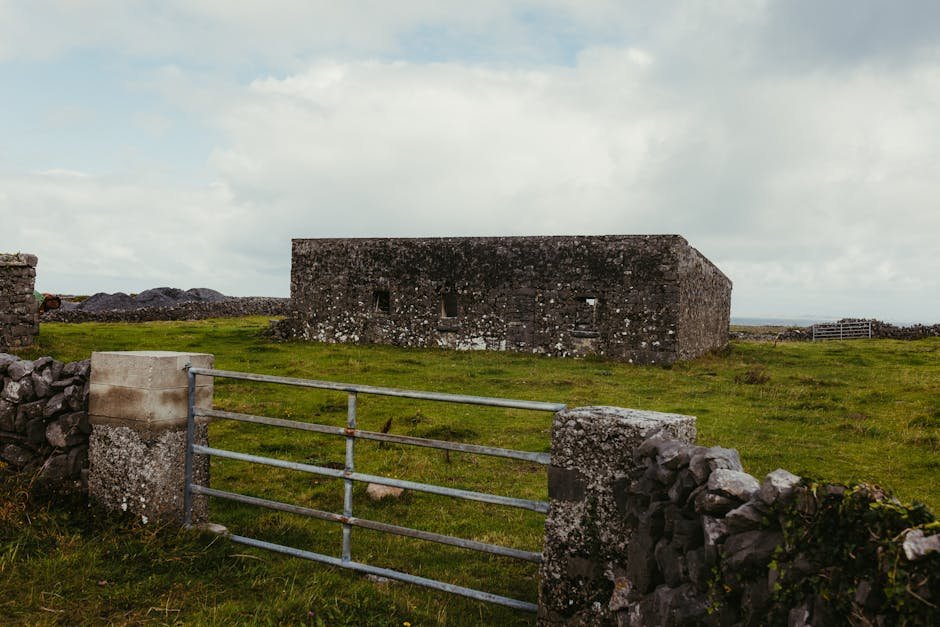
The Great Blasket Village
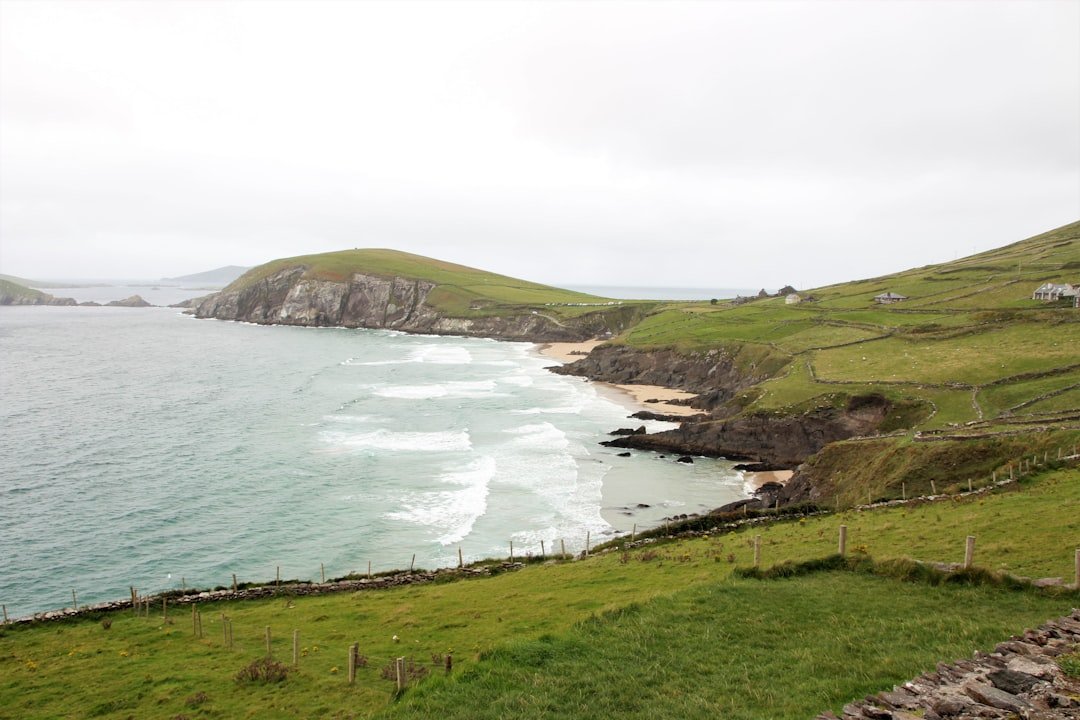
The abandoned village sits on a natural terrace above the landing slip, its stone cottages now roofless shells against the Atlantic sky. Wild rabbits have claimed the settlement, their warrens threading through collapsed kitchen gardens where islanders once grew potatoes and cabbage.
Literary Legacy
The Great Blasket produced more published authors per capita than any other community in Ireland - 8 books from a population that never exceeded 175 people.
The Last Seanchaí
Peig Sayers and the oral tradition
I am an old woman now, with one foot in the grave and the other on its edge. I have experienced much ease and much hardship from the day I was born until this day, and I have learned that there is no heart so sorrowful that it cannot find some happiness, and no happiness so great that sorrow cannot touch it. - Peig Sayers, 1936
The Irish Language Context
The Blasket Islands represented one of the last native Irish-speaking communities in Ireland. By 1953, when the island was abandoned, over 80% of Ireland had shifted to English. The islanders spoke a dialect of Munster Irish so pure that linguists considered it the closest living link to medieval Gaelic.
The Economics of Isolation
Why the island could not survive
| Year | Population | Key Events |
|---|---|---|
| 1841 | 153 | Peak population before the Famine |
| 1911 | 95 | Mass emigration to America begins |
| 1947 | 46 | School closes due to lack of children |
| 1953 | 22 | Final evacuation to mainland |
Walking the Ghost Village
Following the paths of the last islanders
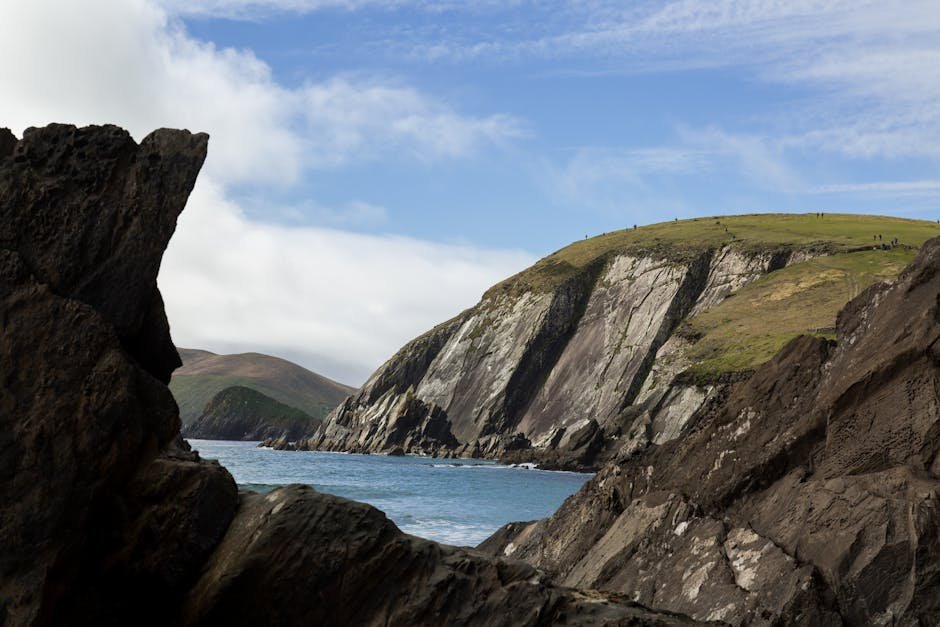
The Island Path
A worn track leads from the village across the island's spine to the western cliffs. This was the islanders' highway - the route to the seabird colonies, the high pastures, and the lookout points where they watched for shoals of fish and approaching storms.
The New Museum and the Old Stories
Preserving what was lost
Blasket Centre
Museum and interpretive centre dedicated to the island's history and literature. Excellent audiovisual presentations and original manuscripts.
Visiting the Blasket Islands
- 1
Boat trips - Ferries run from Dingle harbour April to October, weather permitting. Book with Blasket Island Ferries (€40 return) or Dingle Bay Charters.
- 2
What to bring - Waterproof clothing, sturdy walking boots, and plenty of water. There are no facilities on the island.
- 3
Best time - May to September for calmest seas. Morning departures offer better weather chances.
- 4
Allow time - Plan 4-5 hours on the island to explore properly. The last boat returns around 5pm.
The Language of Loss
What died with the island
Liam O'Connor
Travel Editor at Vitano Magazine