Kyrgyzstan: Nomadic Life on the Silk Road

Kyrgyzstan: Nomadic Life on the Silk Road

James Chen

James Chen

2026年5月19日

4 min read· 83 views
I still remember the scent of burning sage mixed with fresh mountain air as I stepped out of my yurt the first morning at Song-Kol. The grass was damp, the sky a perfect blue canvas stretching endlessly over the Tien Shan range. I had arrived after a long ride from the capital Bishkek, a journey that felt like stepping back in time through the twists and bends of this rugged country.

Why Kyrgyzstan?

A land where nomads still roam and the Silk Road whispers in the wind
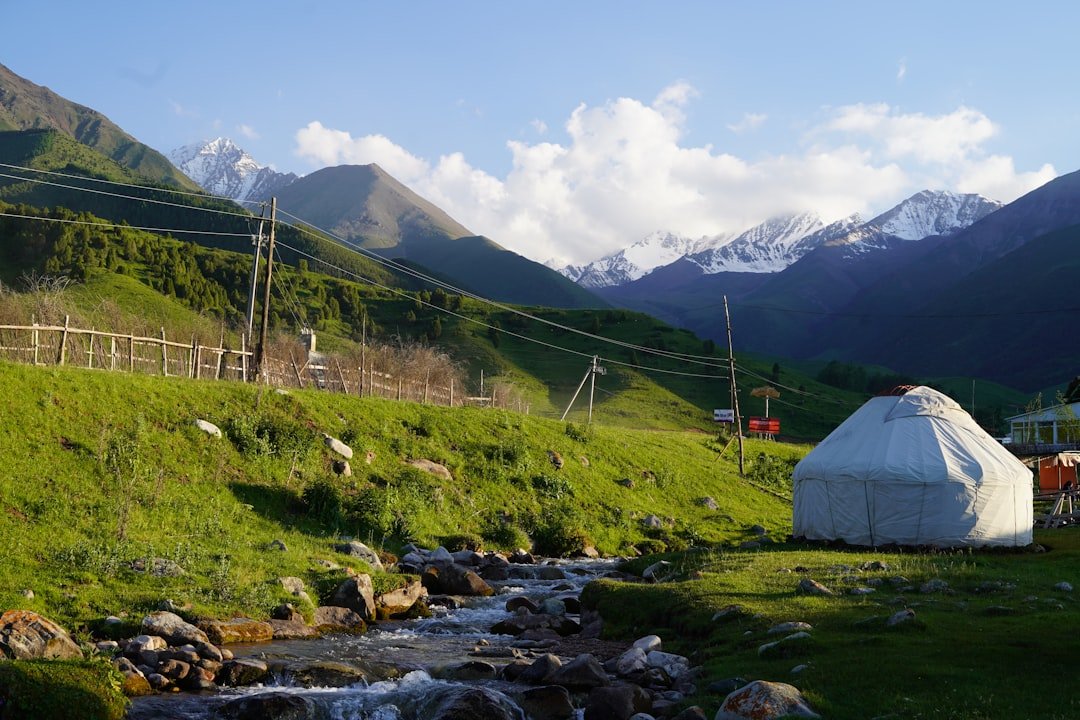
Kyrgyzstan slipped under the radar for years, overshadowed by its more famous neighbors like China and Kazakhstan. But it's a powerhouse for adventure seekers eager to dive into culture deeply entwined with nature. Its landscape is a playground of alpine lakes, snow-capped peaks, and wide-open steppes. The country's nomadic heritage isn't just a tourist attraction; it's a living, breathing way of life. From spring through early autumn, pastoral families move with their herds, living in traditional felt yurts that you can sleep in yourself.
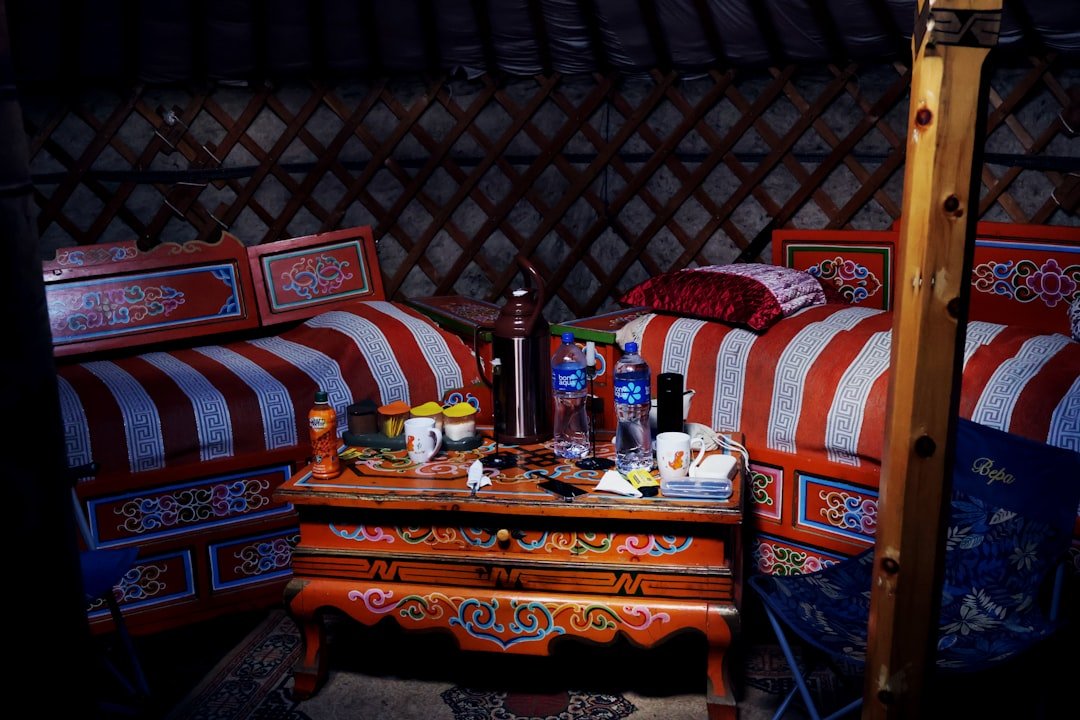
Inside of a decorated yurt with furniture.

Yurt Life Experience

Staying in a yurt isn't glamping. It's about embracing simplicity. Inside, a low wooden table, embroidered cushions, and a stove that crackles through the night. I remember the cold rushing in when the stove flickered low, and the hostess, Aigul, hurried to refuel it with dried apricot wood. The walls smelled faintly of sheep's wool and pine smoke. It was a sensory immersion I hadn't expected but welcomed fully.

Plan your trip with AI

Turn inspiration into a real itinerary. Plan day-by-day routes, find the best spots, and share with friends.

The national dish, beshbarmak, was my first taste of local flavor. A hearty broth with boiled meat (usually lamb or horse) served over hand-cut noodles, eaten by hand (the name means "five fingers"). Warm, salty, and filling after a day on horseback, it reminded me that food here is as much about survival as celebration.

Riding to Song-Kol Lake

Horseback adventures through mountain passes

The journey to Song-Kol is not for the faint-hearted, but the reward is worth every muscle ache. The ride starts from Kochkor village, where I met my horse, Taldyk. Sturdy and sure-footed, he was my companion for the next three days, carrying me across the rugged Talas Ala-Too mountains. The trail was narrow, rocky, and steep at points. Think a fitness rating of 7/10, with altitude and uneven footing as the main challenges. The air thinned, and the sunsets over the peaks painted the sky in fiery oranges and pinks.
"If you want to understand Kyrgyzstan, travel by horse. It's how our people have seen the world for thousands of years." - Dastan, local guide
Crossing mountain passes at 3,200 meters, I learned the importance of layering clothes: thermal base layers, a fleece mid-layer, and a windproof shell. Nights were cold, sometimes dipping below freezing, so a sleeping bag rated at least -5°C was essential. I packed light but wisely, including a headlamp, snacks like dried apricots and nuts, and a small first aid kit. The altitude hit me harder than I expected, but the stunning vistas made the struggle worthwhile.
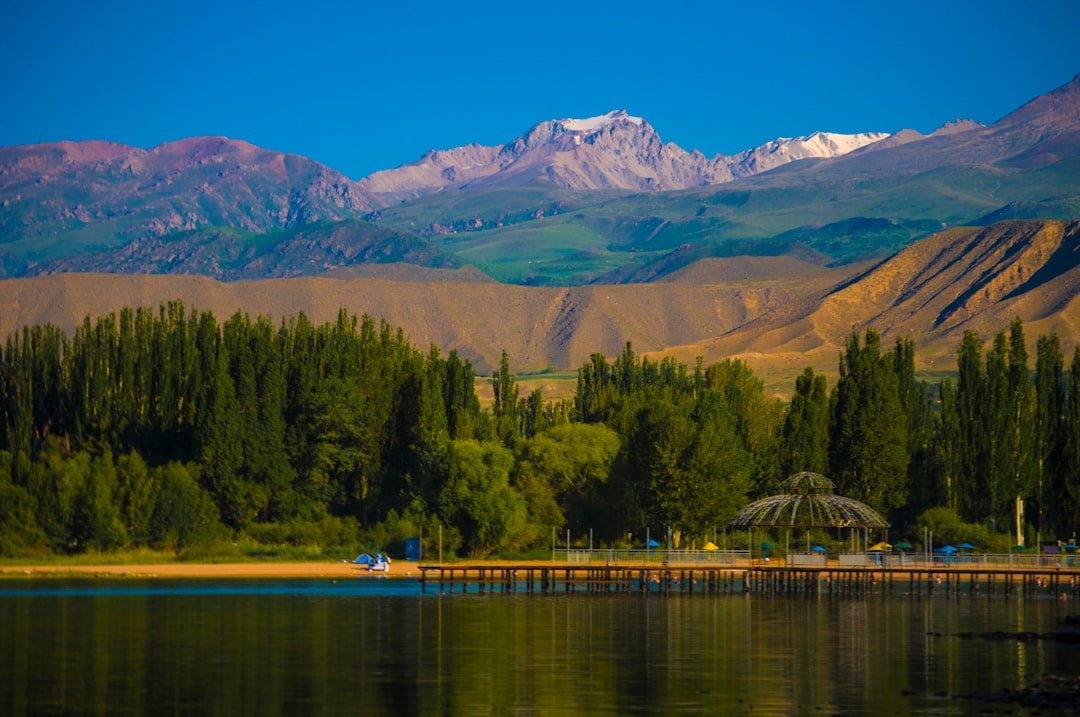
a lake with mountains in the background

Song-Kol Lake

At last, the pristine Song-Kol Lake emerged: an expanse of cobalt blue surrounded by emerald pastures and grazing horses. In summer, nomads bring their flocks here to pasture, living in yurts dotted around the shore. I joined a family for a night, sharing fermented mare's milk, kumis, under a blanket of stars so bright they almost hurt the eyes.

Essential Tips for Your Kyrgyzstan Nomadic Adventure

  • 1

    Book local guides - They know the terrain, language, and traditions. Ask for recommendations in Bishkek or Kochkor.

  • 2

    Pack layers - Weather changes fast. Prepare for sun, wind, and cold nights.

  • 3

    Bring cash in KGS - Cards are rarely accepted in remote areas; 1000 KGS is about $12 USD.

  • 4

    Learn basic phrases - 'Salam' (hello), 'Rakhmat' (thank you), and numbers help build rapport.

  • 5

    Respect local customs - Always ask before photographing people or entering yurts.

Getting to Kyrgyzstan is straightforward but requires some planning. Manas International Airport (FRU) near Bishkek serves flights from Istanbul (Turkish Airlines), Moscow (Aeroflot), and Doha (Qatar Airways). From Bishkek, a taxi to Kochkor costs around 1,500 KGS (~$18), and the journey takes 3-4 hours on mostly paved roads. The best months to visit for nomadic experiences are June through early September when the weather is warm and pastures are lush.

Did you know?

Kyrgyzstan is 97% mountainous, earning it the nickname 'the Switzerland of Central Asia.'

SeasonTemperature RangeBest ActivitiesPrice Range (KGS)
Spring (April-May)5°C to 15°CYurt stays start, fewer tourists1500-3000 KGS per night
Summer (June-August)15°C to 25°CHorseback riding, festivals, lake stays2500-4000 KGS per night
Autumn (September-October)5°C to 15°CHiking, peaceful pastures1500-3500 KGS per night
Winter (November-March)-15°C to -5°CSkiing in Karakol, fewer nomadsVariable, less tourist infrastructure

Good to Know

Internet can be spotty outside Bishkek; don't expect Wi-Fi in yurts. Mobile coverage is patchy but available with local SIMs (Megacom or Beeline). Water from mountain streams is generally safe to drink, but bring purification tablets as backup.

One night, after a long day riding through a sudden thunderstorm, I found myself sharing a yurt with a group of Kyrgyz shepherds, their laughter echoing against the mountains. Despite language barriers, the hospitality was universal: offering me tea brewed with wild mountain herbs and freshly baked boorsok bread. It was a moment that defined the trip; raw, real, and deeply human.

Beyond Song-Kol: Exploring Kyrgyzstan's Hidden Corners

From alpine meadows to Soviet relics

If you have extra time, I recommend venturing to the alpine valley of Jeti-Oguz near Karakol, famous for its red rock formations and therapeutic hot springs. Or explore the Soviet-era ruins of Mailuu-Suu, a haunting reminder of the Cold War uranium mining boom. Each place offers a different slice of Kyrgyzstan's multifaceted story.
Kochkor Yurt Camp
4.7

Authentic yurt stays with horse rental options and home-cooked meals

2000-3500 KGS per nightKochkor village, Naryn region
Song-Kol Nomad Camp
4.8

Seasonal camps offering horseback treks and cultural immersion

2500-4000 KGS per nightSong-Kol Lake, Naryn region
Jeti-Oguz Guesthouse
4.5

Comfortable mountain lodging near famous rock formations and hiking trails

1500-3000 KGS per nightJeti-Oguz valley, Issyk-Kul region
Kyrgyzstan isn't a country to tick off a list. It's a place to slow down, get lost in the landscape, and meet people whose lives flow with the seasons and the land. If you've ever wanted to ride horseback across mountain passes, sleep under a sky so vast it humbles you, and sip kumis with nomads who've welcomed strangers since Silk Road times, Kyrgyzstan is your calling.
So, Kyrgyzstan awaits, ready to rewrite your travel story in its endless steppe and high-altitude sky.
James Chen

James Chen

Travel Editor at Vitano Magazine
You might also enjoy

Scotland's Loch Ness: 1,500 Years of Monster Hunting
Hidden Gems4 min

Scotland's Loch Ness: 1,500 Years of Monster Hunting

For over fifteen centuries, the mysterious depths of Loch Ness have been whispered about, drawn to, and scientifically scrutinised. From Saint Columba’s 565 AD encounter to the infamous 1934 ‘surgeon’s photo’, the legend of Nessie weaves folklore, science, and a splash of cheeky fakery into one of the world's most enduring mysteries. Yet, despite modern sonar scans turning up nothing but cold, murky water and trout, Loch Ness continues to reel in half a million visitors a year. Let’s dive beneath the surface-both literal and cultural-to explore the science of deep lakes, the psychology behind monster beliefs, and the very best vantage points where you might just glimpse the grin of the loch itself.

LO
Liam O'Connor
2026/07/14
Trolls, Huldufólk, and the Hidden People of Iceland
Hidden Gems4 min

Trolls, Huldufólk, and the Hidden People of Iceland

In Iceland, the landscape breathes with legends. Roads curve and bend, not just for geography but for beings unseen-elves and trolls whose stories ripple through lava fields and mist. Over half of Icelanders openly accept that the hidden people dwell among them. Join me as I wander these volcanic realms where folklore and geology entwine in mysterious harmony.

AO
Amara Okafor
2026/06/24
Oman's Musandam Peninsula: The Norway of Arabia
Hidden Gems4 min

Oman's Musandam Peninsula: The Norway of Arabia

A jagged peninsula where the Arabian Sea carves dramatic fjords, where ancient fishing villages whisper secrets only the waves understand, and where the scent of salt and frankincense lingers in the air. Musandam feels like a world apart - the Middle East’s quiet marvel that invites discovery beyond the usual.

AO
Amara Okafor
2025/12/08