The Geology of Iceland: Walking on a Planet Being Born

Nadia Petrova
July 28, 2026
The Mid-Atlantic Rift
Iceland rests astride the Mid-Atlantic Ridge, a tectonic plate boundary where the Eurasian Plate pulls away from the North American Plate. This spreading zone creates frequent volcanic activity and geothermal phenomena unique to Iceland.
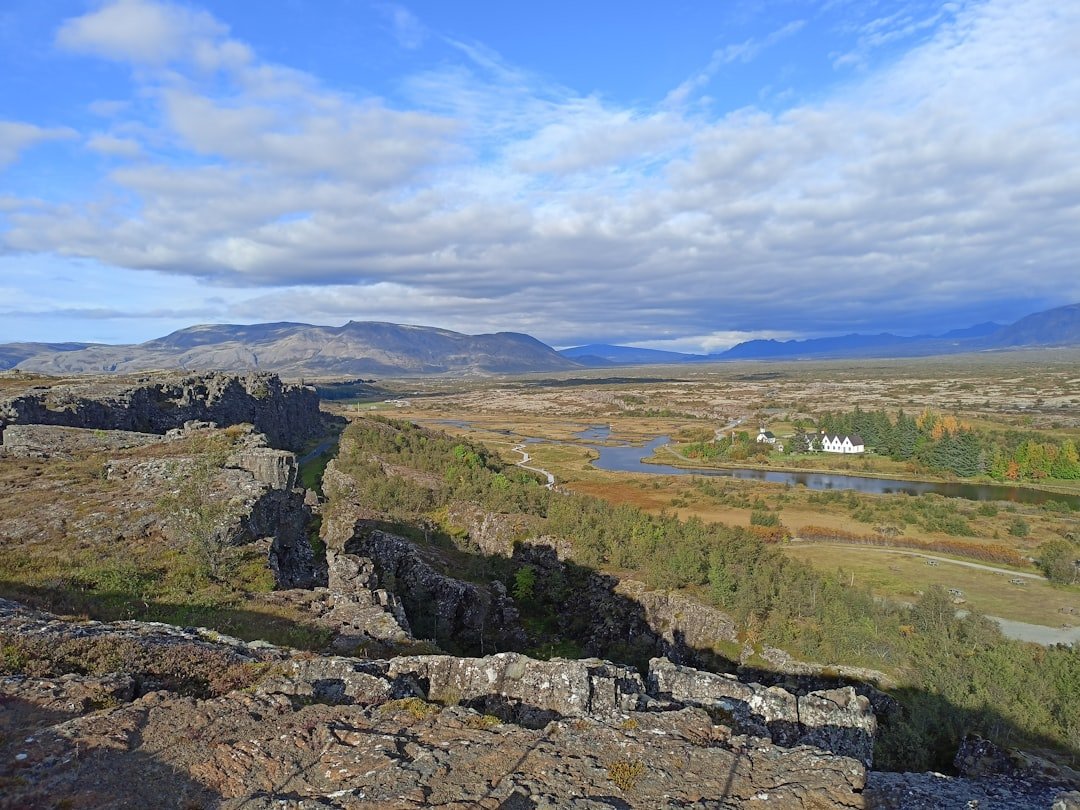
Þingvellir National Park
Here, visitors can witness dramatic fissures like the Almannagjá gorge (a visible crack in the Earth's crust formed over thousands of years). Walking this ancient rift, the chill of the cold winds and the crisp scent of birch forests accompany you, a sensory reminder of this dynamic planet.
Geological Speed
The tectonic plates at Þingvellir pull apart at approximately 2.5 cm per year - roughly the speed your fingernails grow.
Plan your trip with AI
Turn inspiration into a real itinerary. Plan day-by-day routes, find the best spots, and share with friends.
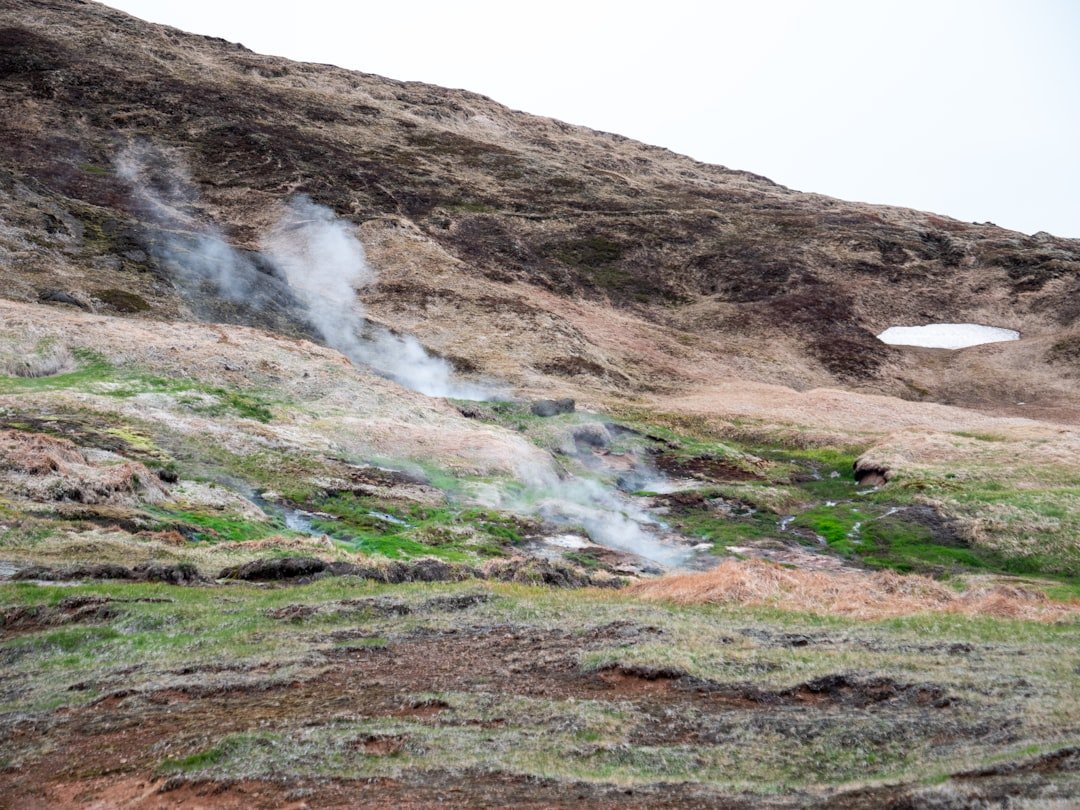
Mývatn Volcanic Zone
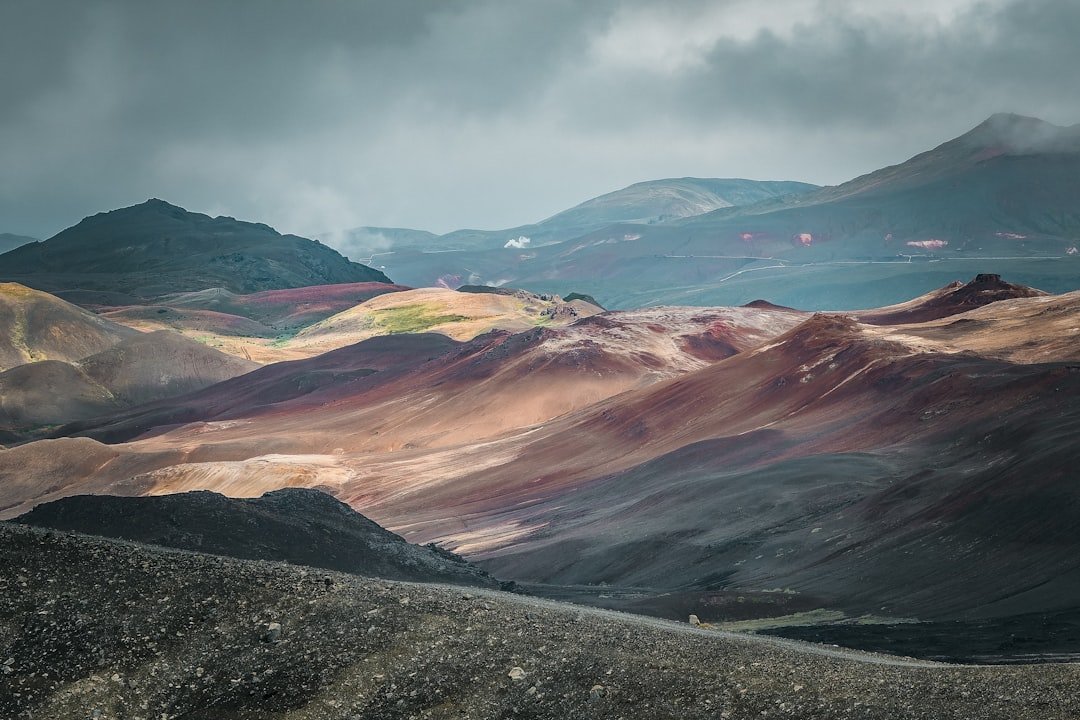
The Mývatn area is a hotspot for geothermal activity with features like the Hverir mud pots and the pseudocraters at Skútustaðir. It's a sensory journey: the hissing steam, the mineral-rich soil, and the vibrant, almost otherworldly, landscape.
Eruption Timeline
Mývatn's Krafla volcanic system underwent major eruptions between 1975 and 1984, shaping the current landscape and contributing valuable data on volcanic behavior.
Volcanic Frequency
Iceland experiences a volcanic eruption approximately every 4-5 years, making it one of the most geologically active regions on Earth.
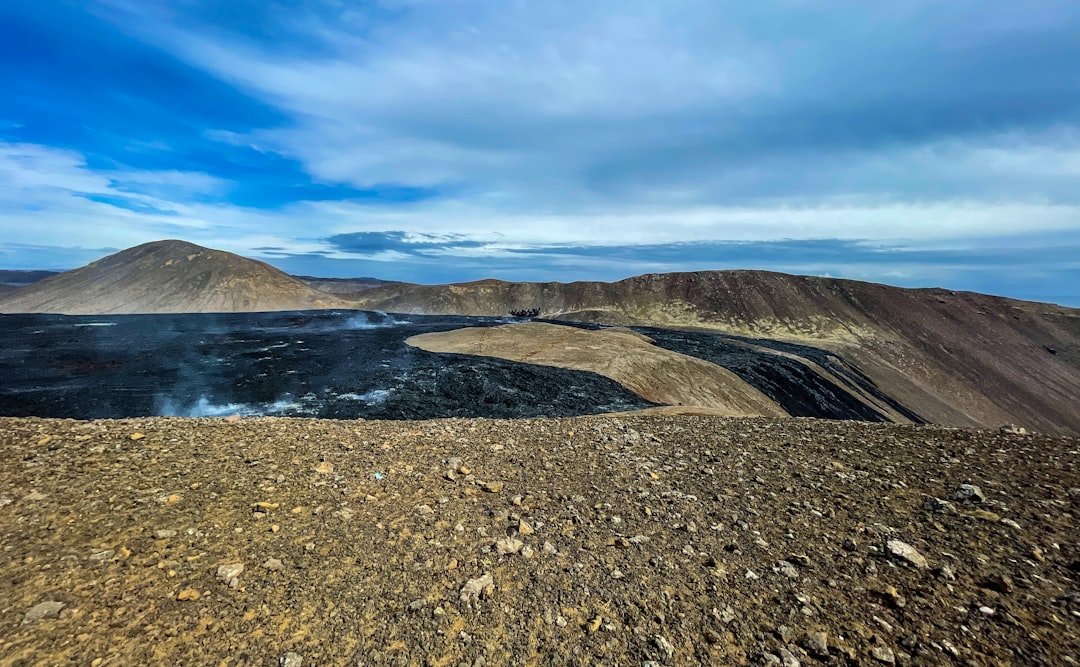
Fagradalsfjall Volcano
This recent volcanic site offers visitors an unparalleled chance to witness the raw forces of Earth reshaping its surface. The 2021 eruption was the first in this area in about 800 years, marking a new chapter in Iceland's geological story.
Visiting Iceland's Geological Wonders – Practical Tips
- 1
Best time to visit - Late spring to early autumn (May to September) offers accessible trails and milder weather; winter is magical but challenging.
- 2
Guided tours - Recommended at Fagradalsfjall and Mývatn to navigate volcanic terrain safely and learn from experts.
- 3
Entry fees - Þingvellir National Park charges around 750 ISK (approximately $5.50) for parking; other sites are free but donations are welcomed.
- 4
What to bring - Sturdy hiking boots, waterproof clothing, and a camera to capture the constantly evolving landscapes.
| Year | Event | Significance |
|---|---|---|
| 930 AD | Founding of Alþingi at Þingvellir | Establishment of the world's first national parliament, linking political history with geology |
| 1975-1984 | Krafla volcanic eruptions | Modern volcanic activity shaping Mývatn's landscape and scientific understanding |
| 2021 | Fagradalsfjall eruption | First eruption in 800 years on the Reykjanes Peninsula, creating new volcanic terrain |
"In Iceland, the Earth speaks in tongues of fire and water - a reminder that we live on a restless, breathing planet." - Nadia Petrova
Þingvellir National Park Visitor Center
Exhibits on geology and Icelandic history, guided tours available.
Mývatn Nature Baths
Geothermal spa offering relaxation amid volcanic landscapes.
Fagradalsfjall Hiking Routes
Trails to view recent lava flows and volcanic craters, guided hikes recommended.
Nadia Petrova
Travel Editor at Vitano Magazine