Via Ferrata in the Dolomites: A Beginner's Guide to Iron Paths

Marcus Berg
August 11, 2026
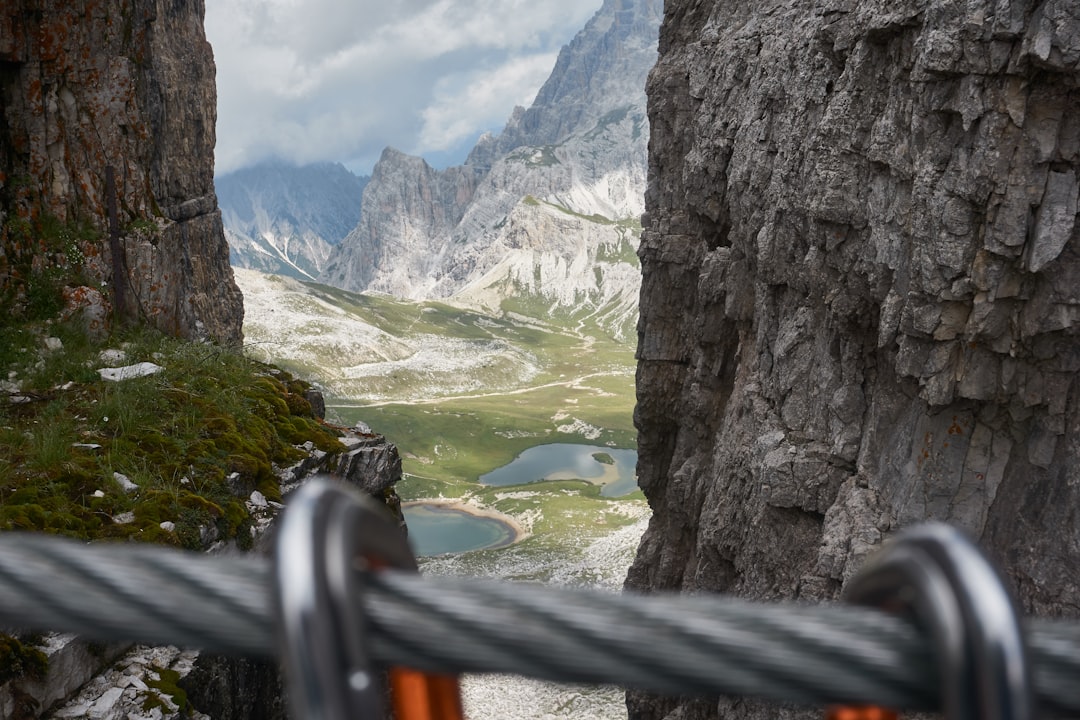
What Is Via Ferrata? Iron Paths Explained
For those new to the concept, here's what you're getting into.
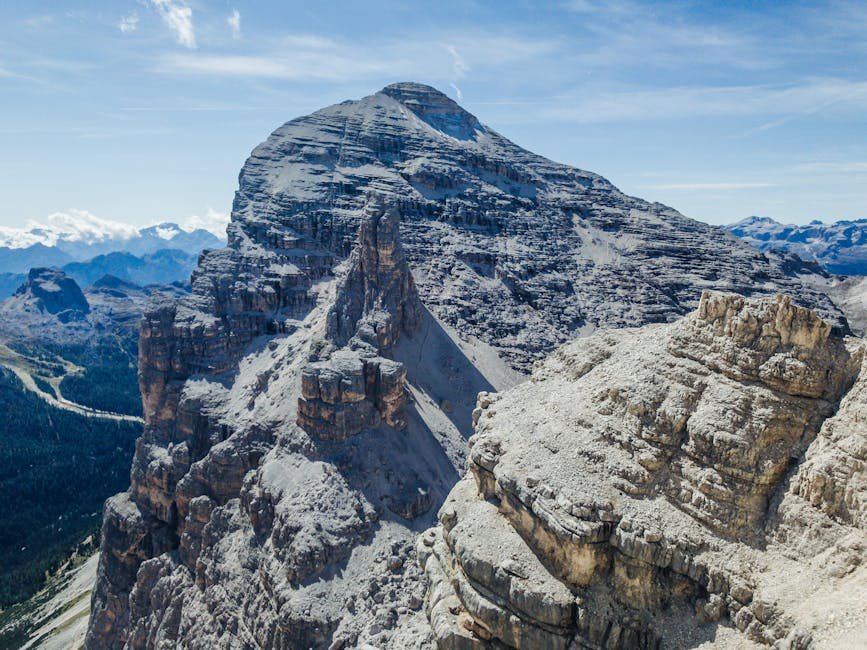
The Historic Ivano Dibona Route
One of the most iconic via ferrata in the Dolomites, the Ivano Dibona stretches 4 kilometers with a total elevation gain of 700 meters. It combines cables and ladders with a thrilling suspension bridge (the Ponte Cristallo). Best tackled from late June to mid-September, it requires 5-6 hours to complete and rewards climbers with panoramic views of the Cristallo massif.
Plan your trip with AI
Turn inspiration into a real itinerary. Plan day-by-day routes, find the best spots, and share with friends.
Best Via Ferrata Routes for Beginners
Start here if you want to test your limits without needing a mountain guide.
Essential Tips for First-Time Via Ferrata Climbers
- 1
1. Rent gear locally - Expect to pay around €30-€40/day for via ferrata kits (helmet, harness, set of lanyards) at rental shops in Cortina d'Ampezzo or Dobbiaco. Don't skimp on gear quality.
- 2
2. Book rifugio accommodation early - Summer weekends fill fast. Rifugio Son Forca, Rifugio Auronzo, and Rifugio Lavaredo offer dorm beds from €25 and meals around €15-€20.
- 3
3. Check weather rigorously - Afternoon storms are common in summer. Start early (7-8 AM) to avoid lightning risks on exposed routes.
- 4
4. Practice clipping and unclipping - It sounds basic but fumbling with your lanyards when clipped 100 meters above a drop isn't fun.
- 5
5. Consider a guide for your first climbs - Rates run about €50-€70 for a half-day. A guide reduces risk and boosts learning.
Did you know?
More than 200 via ferrata routes scatter across the Dolomites, making it one of the densest concentrations worldwide.
Pros
- Incredible panoramic views-Dolomites are a UNESCO World Heritage site for a reason
- Clear route markings and well-maintained equipment in the popular areas
- Combination of historical intrigue and natural beauty
- Multiple rifugios provide authentic alpine meals and resting spots
Cons
- Summer weekends get crowded, which can reduce the sense of wilderness
- Weather can change rapidly, posing significant risks
- Pricing for gear rental and guides stacks up quickly if you plan to climb multiple days
- Not for those with a serious fear of heights
| Route | Difficulty | Length (km) | Elevation Gain (m) | Time (hours) | Best Season | Price (Guide + Rental) |
|---|---|---|---|---|---|---|
| Ivano Dibona | B/C | 4 | 700 | 5-6 | Late June-Sept | €80-€110 |
| Brigata Tridentina | B | 3 | 400 | 4 | July-Sept | €70-€100 |
| Drei Zinnen North Face | D | 5 | 850 | 6-7 | July-August | €100-€140 |
| Paterno | C/D | 3.5 | 600 | 5 | Late June-August | €90-€130 |
Good to Know
The local mountain rescue service (Soccorso Alpino) is vigilant but not a substitute for personal responsibility. Always carry a charged phone, adequate water (at least 2 liters), and a first-aid kit. Rifugios often offer water refill points but check in advance.
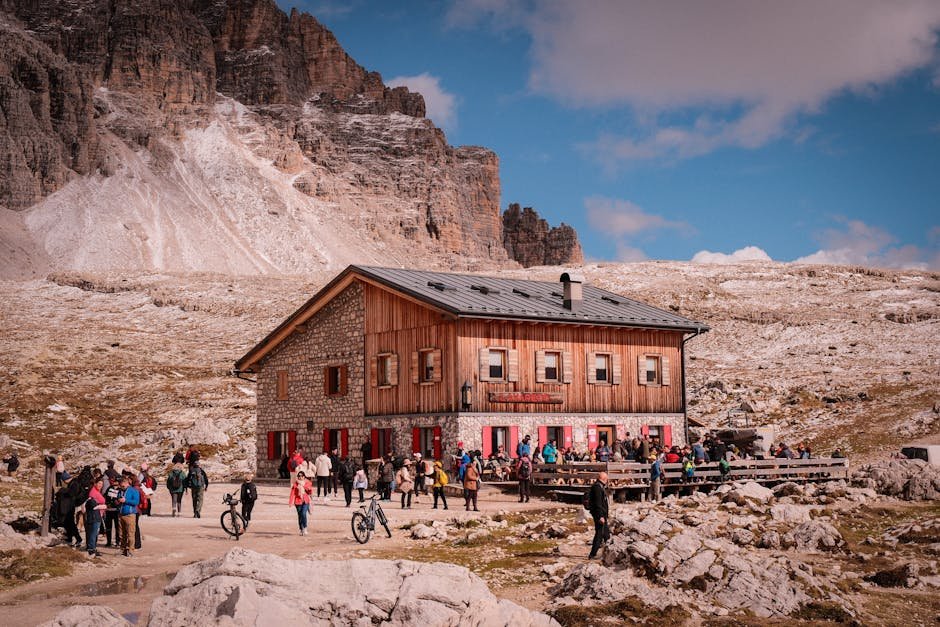
Rifugio Son Forca
A cozy mountain hut perched at 2,025 meters, it's the perfect midway rest stop on the Brigata Tridentina route. The smell of wood smoke, sizzling speck, and freshly baked apple strudel greet hikers after the climb. Dormitory beds start at €25, and the kitchen is open 7 AM to 9 PM.
Marcus Berg
Travel Editor at Vitano Magazine