Italy Beyond Pizza and Spaghetti: The Regional Foods Tourists Never Find

Italy Beyond Pizza and Spaghetti: The Regional Foods Tourists Never Find

Elena Rossi

26 мая 2026 г.

6 min read
Italy's culinary identity is often overshadowed by two global ambassadors: pizza and spaghetti. Yet, these dishes represent but the tip of a gastronomic iceberg shaped by centuries of trade, conquest, and geography. To truly understand Italian food culture, one must dive beyond these familiar waters into the regional specialties that tell stories of local landscapes and traditions.

Setting the Table: Why Regional Cuisines Matter

Exploring Italy's food diversity from a historical and geographical lens

Italy was unified only in 1861, and until then, it was a blend of city-states and kingdoms, each fostering its own culinary language. Liguria's rugged coastline gave birth to focaccia di Recco, a delicate, cheese-filled flatbread, while Puglia's warm plains and fertile soil nurture the luscious burrata. This regionalism is not just about ingredients but reflects how geography, climate, and history have molded each dish.

Historical Context: Italy's Culinary Fragmentation

Before unification, Italy consisted of over a dozen independent states. Each developed unique food traditions, influenced by local agriculture, foreign rulers, and trade routes. This fragmentation explains why it's impossible to summarize Italian cuisine in a single dish.

Plan your trip with AI

Turn inspiration into a real itinerary. Plan day-by-day routes, find the best spots, and share with friends.

Did you know?

Italy has over 400 different olive varieties used in regional olive oils, each imparting unique flavors.

Florence: Lampredotto - The Tripe That Tells a Story

Discovering Florence's street food rooted in working-class tradition
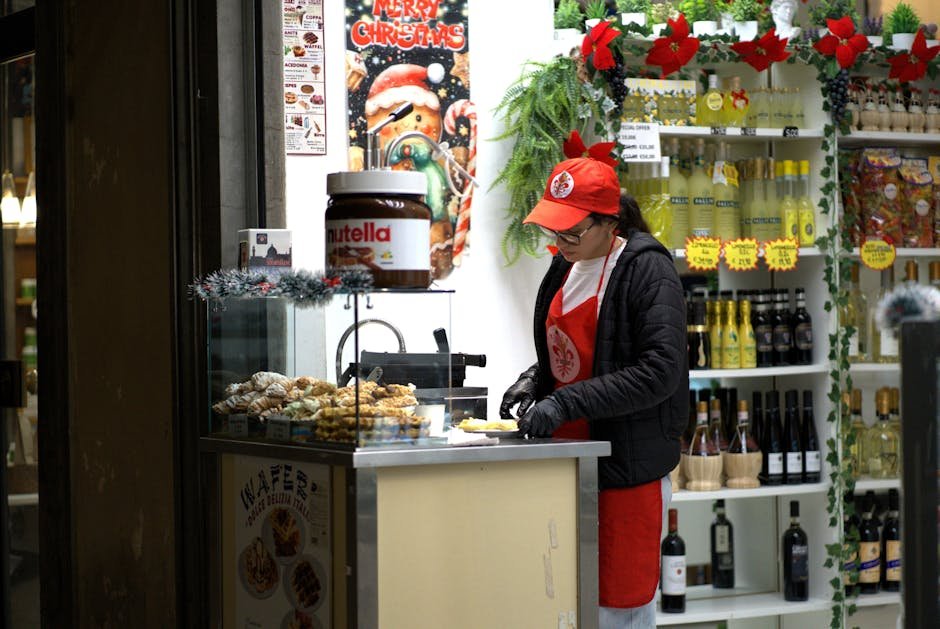
I remember the first time I stumbled upon a lampredotto stall in a busy Florentine market. The sharp aroma of slow-cooked tripe mingled with fresh parsley and a tangy green sauce. Lampredotto, a sandwich made from the fourth stomach of the cow, was once the lunch of Florence's working class, especially the city's leatherworkers and laborers. Its history dates back to the Renaissance when nothing was wasted, and humble ingredients were transformed into hearty sustenance.
Nutella crepes at a festive holiday shop in Florence, Italy at night.

Lampredotto Stall in Florence

A traditional Florentine street vendor serves lampredotto sandwiches, steaming hot with a squeeze of lemon and a drizzle of spicy salsa verde, reflecting centuries of culinary resourcefulness.

Historical Food Fact

Lampredotto was a popular meal for Florentine artisans since the 15th century, featured even in cookbooks of Renaissance chefs.

Venice's Cicchetti: The Venetian Tapas Experience

Savoring small plates steeped in maritime history

Venice's cicchetti are tiny plates meant for sharing, much like Spanish tapas, but with a distinct lagoon influence. These snacks are found in bàcari, local bars where fishermen and merchants once gathered. I recall a busy afternoon at a bàcaro in Cannaregio, tasting sarde in saor (sweet and sour sardines), briny and bright, and tiny polpette di mare (seafood balls). Each bite echoed the city's centuries-old relationship with the Adriatic Sea.

Cicchetti Origins

The word cicchetto derives from 'cicca,' Venetian for a small amount. Traditionally, a cicchetto was a shot of wine accompanied by a small snack, popularized in the 18th century.

Sardinia's Pane Carasau: The Paper-Thin Bread of the Shepherds

An ancient bread tradition that speaks of survival and mobility

While trekking through Sardinia's rugged interior, I was introduced to pane carasau, a thin, crisp flatbread baked twice to preserve freshness for months. Sardinian shepherds carried it on transhumance, allowing sustenance without spoilage. Its grace lies in simplicity; yet each sheet crackles with the whispers of pastoral life dating back to the Nuragic civilization, according to archaeological findings.

Science of Preservation

Pane carasau can last for up to six months without losing flavor or texture, a remarkable feat of ancient food preservation.

Bologna and Mortadella: Not Your Average 'Baloney'

Exploring the luxurious heritage of the city's iconic sausage
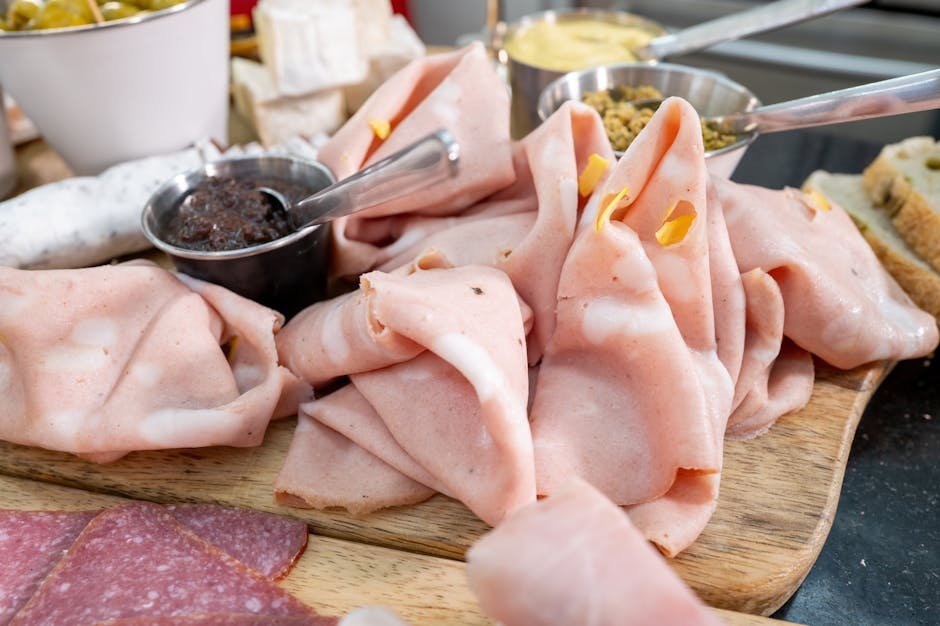
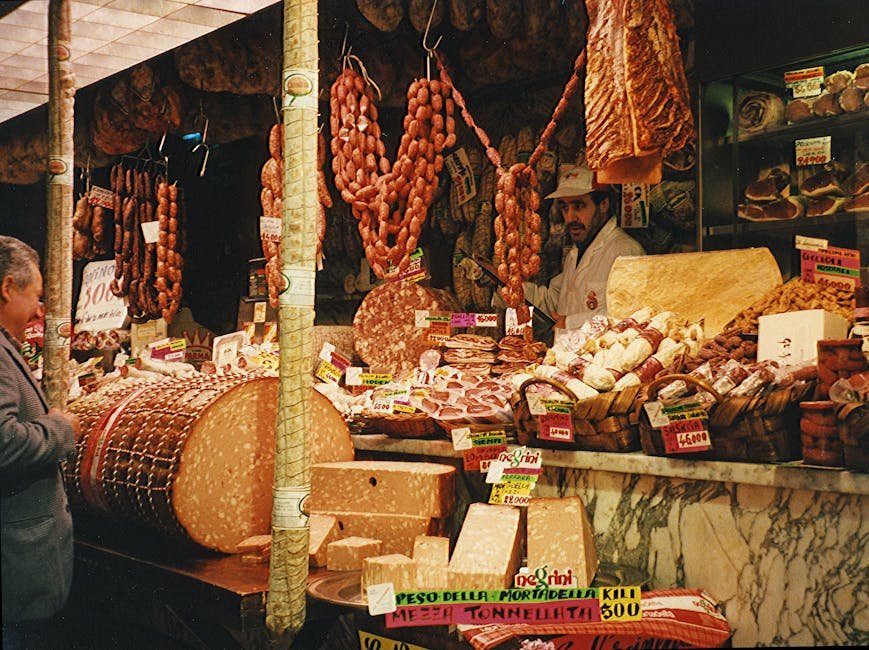
Mortadella, often mistaken abroad as simple 'baloney,' is a masterpiece of texture and flavor crafted in Bologna since the 14th century. I visited a traditional mortadella shop where artisans explained the painstaking emulsification of finely ground pork with cubes of pork fat and spices like myrtle berries. The result is delicate, smooth, and subtly spiced, far removed from the American cold cuts that borrowed its name.
A delicious charcuterie board featuring mortadella and an assortment of sauces perfect for a gourmet snack.

Mortadella Artisans in Bologna

Butchers in Bologna prepare mortadella by hand, maintaining centuries-old techniques that balance tradition and taste.

Mortadella Protected Status

Mortadella Bologna PGI (Protected Geographical Indication) status ensures only products made in Bologna with traditional methods carry the name.

Milan's Osso Buco: Slow-Cooked History

How a humble veal shank became Lombardy's culinary crown jewel

In Milan, osso buco, braised veal shanks cooked slowly with white wine, vegetables, and gremolata, offers a taste of Renaissance opulence. The dish rose in prominence around the 19th century, symbolizing Milanese cuisine's marriage of rustic ingredients with refined technique. I recall a winter evening savoring this dish at a trattoria near the Duomo, the tender meat melting into a sauce rich with marrow, invoking centuries of refinement.

Anatomy of a Dish

Osso buco's name means 'bone with a hole,' referring to the marrow-filled bone center, prized for its flavor and texture.

The Battle of Prosciutto: Parma vs. San Daniele

Two acclaimed hams, each with its unique terroir

Parma and San Daniele are Italy's most celebrated prosciuttos, but their differences run deeper than geography. Parma prosciutto benefits from the moist air of the Po Valley, while San Daniele is cured in the dry, mountain air of Friuli. I learned from producers that Parma's salt crystals are larger and less aggressive, lending a sweeter flavor, while San Daniele's longer curing time creates a more intense aroma. Both are protected by PDO status, ensuring authenticity and quality.
FeatureProsciutto di ParmaProsciutto di San Daniele
RegionEmilia-RomagnaFriuli-Venezia Giulia
Curing Time12-24 months13-18 months
Climate InfluenceHumid Po Valley airDry mountain air
Flavor ProfileSweet, delicateRobust, aromatic
Salt UsedCoarse sea saltFine sea salt

Puglia's Burrata: Creaminess that Defines a Region

From recently invented cheese to Puglia's crown jewel

Burrata, a soft cheese with an outer shell of mozzarella and a creamy, buttery core, only dates back to the early 20th century in Puglia's Murgia hills. Yet, it has become emblematic of the region's dairy traditions. I still remember the moment I cut into a fresh burrata at a farm in Andria, the milky cream spilling over with an almost sensual richness, proof of southern Italy's fertile pastures and artisanal mastery.

Sicily's Arancini: Golden Orbs of History and Flavor

How Arab influences shaped Sicily's beloved fried rice balls

The arancini, fried rice balls stuffed with ragù, peas, and mozzarella, are Sicily's crunchy, savory jewels. Their origins date to the 10th century during Arab rule when rice cultivation expanded dramatically. The name derives from 'arancia,' meaning orange, due to their shape and color. Eating arancini in Palermo's markets is a sensory joy; the crisp exterior crackles to reveal a warm, fragrant interior.

Historical Food Introduction

Rice was introduced to Sicily by Arab conquerors in the 9th century, transforming local diets and culinary possibilities.

Liguria's Focaccia di Recco: Cheese and Sea Breeze

A thin, creamy focaccia that tells the story of Genoa's coast

Focaccia di Recco, unlike the thicker Ligurian focaccia most tourists know, is a paper-thin bread filled with stracchino cheese. I first tasted it in the small town of Recco, just outside Genoa, where the recipe is fiercely guarded and dates back to at least the 16th century. The bread's delicate crunch and molten cheese interior are an ode to the region's connection to both the sea and the cheese-making tradition.

Visitor Tips for Regional Food Exploration in Italy

  • 1

    Travel Off-Season: Many regional specialties are best experienced between October and April when local markets and trattorias are less crowded and seasonal ingredients peak.

  • 2

    Seek Out Local Markets: Visiting markets like Florence's Mercato Centrale or Palermo's Ballarò reveals authentic food culture beyond restaurant menus.

  • 3

    Learn Basic Regional Terms: Knowing names like "lampredotto" or "cicchetti" helps you connect with vendors and uncover hidden spots.

  • 4

    Book Guided Food Tours: Many cities offer specialized tours focusing on regional specialties, perfect for understanding history and tasting hidden delicacies.

  • 5

    Budget Wisely: Street foods like lampredotto or cicchetti typically cost 3-7 euros, while sit-down meals with osso buco or mortadella appetizers range from 20-50 euros.

Mercato Centrale, Florence
4.7

lively market with stalls selling lampredotto and other Tuscan specialties.

Free entry, food prices varyPiazza del Mercato Centrale, Florence
Bàcari Tour, Venice
4.9

Experience cicchetti and Venetian wines with local guides exploring historic bàcari.

From €30 per personVenice city center
Prosciutto Museum, Parma
4.8

Learn about Parma prosciutto's history and production with tastings.

€12 entry, guided tours availableStrada Ramini, Parma
Arancini Workshop, Palermo
4.9

Hands-on cooking classes to prepare traditional Sicilian arancini.

€45-€60 per sessionPalermo historical center
"Tell me what you eat, and I will tell you who you are." - Jean Anthelme Brillat-Savarin
Reflecting on my travels through Italy's 20 regions, I realize that food here is more than nourishment. It is identity, history, and culture served on a plate. Each dish, whether humble or refined, carries echoes of a place's past and present. So, when you next think of Italian cuisine, step off the beaten path. Let the taste of lampredotto, cicchetti, or burrata guide you through Italy's soul.

Elena Rossi

Travel Editor at Vitano Magazine

You might also enjoy

Tokyo After Dark: An Izakaya Guide for the Uninitiated
Food & Culture4 min

Tokyo After Dark: An Izakaya Guide for the Uninitiated

Tokyo’s neon glow fades only to reveal an even hotter pulse: the hum of izakayas, standing bars, and smoky yakitori alleys where locals spill secrets over frothy mugs. If you think izakayas are just tiny pubs serving random snacks, think again. They’re an adrenaline shot of culture, flavor, and camaraderie after 9 PM. I remember the first time I ducked into an alley in Shinjuku, stepping into a fragrant cloud of charcoal, laughter, and sizzling meat - I was hooked. Here’s your no-BS field guide to navigating Tokyo’s after-dark drinking dens, from ordering etiquette to neighborhood secrets and what to sip when the sun dips below the skyscrapers.

JC
James Chen
12.05.2026
Via Ferrata in the Dolomites: A Beginner's Guide to Iron Paths
Adventure4 min

Via Ferrata in the Dolomites: A Beginner's Guide to Iron Paths

At 2,500 meters above sea level, clipped into steel cables with nothing but a harness and your wits between you and a steep drop, the Dolomites’ via ferrata roads offer a raw, exhilarating taste of alpine adventure. Whether you're a first-timer or a hardened climber, navigating these iron paths rewards you with vertigo-inducing views, adrenaline jolts, and an unforgettable connection to the mountains. I’ve done 12 via ferratas here; this guide cuts through the hype with real-world insights on the best routes, gear rentals, rifugio stays, and what to expect when you sign on for your first climb.

MB
Marcus Berg
21.04.2026
The Spice Routes: How Pepper Changed the Map of the World
Food & Culture4 min

The Spice Routes: How Pepper Changed the Map of the World

Before Columbus sailed west, before Vasco da Gama rounded the Cape of Good Hope, the world was already intertwined by the scent of spices-especially pepper. These aromatic commodities didn’t just flavor food; they reshaped empires, sparked wars, and redrew the globe. Join me on a journey tracing the footsteps of traders, explorers, and conquerors across time and space, from the bustling spice markets of Kochi to the fragrant isles of the Moluccas and the historic bazaars of Zanzibar. This is a story where history smells as potent as the spices themselves.

NP
Nadia Petrova
15.12.2025