The Spice Routes: How Pepper Changed the Map of the World

The Spice Routes: How Pepper Changed the Map of the World

Nadia Petrova

December 15, 2025

4 min read· 56 views
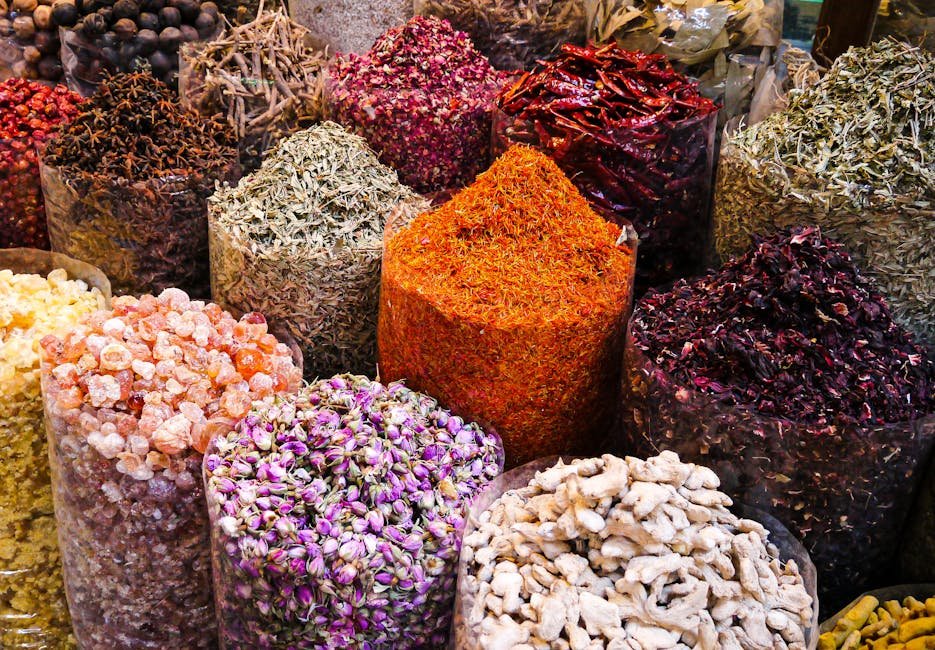
In 1453, when the walls finally fell and Constantinople passed into Ottoman hands, the tremors of that seismic shift were felt not only in the corridors of power but in the counting houses of Venice, Genoa, and Lisbon. The overland spice routes - those ancient arteries carrying pepper, cloves, and cinnamon from the tropical forests of the Malabar Coast to the dining tables of European nobility - were now more precarious than ever. Peppercorns, worth their weight in silver, had long been the invisible engine of empires; it was the desperate search for a direct route to their source that sent Columbus westward in 1492 and Vasco da Gama rounding the Cape in 1498. To walk the narrow alleys of Kochi's spice market today, inhaling that dizzying amalgam of cardamom, cinnamon, and above all pepper, is to stand inside that history - breathing the very commodity that redrew the world's map.

Pepper: The Black Gold That Launched a Thousand Ships

From Ancient India to European appetites

Pepper (Piper nigrum) originates from the tropical forests of the Malabar Coast in India, around modern-day Kerala. Its pungent spice made it a coveted luxury in the Roman Empire and later in Medieval Europe. But overland routes through the Middle East were long and perilous, controlled by intermediaries who jacked up prices. This economic chokehold pushed Europeans to seek maritime alternatives, eventually fuelling the Age of Discovery. Vasco da Gama's voyage in 1498 to Calicut (Kozhikode) was monumental because he successfully established a sea route to secure pepper and other spices directly from Indian ports.

Historical Context

1498: Vasco da Gama reaches Calicut, opening the sea route to India and breaking the Arab monopoly on spice trade.

Plan your trip with AI

Turn inspiration into a real itinerary. Plan day-by-day routes, find the best spots, and share with friends.

Economic Spice Power

Pepper was so valuable in the 14th century that Venice's annual spice market turnover exceeded several million ducats, equivalent to billions in today's dollars.
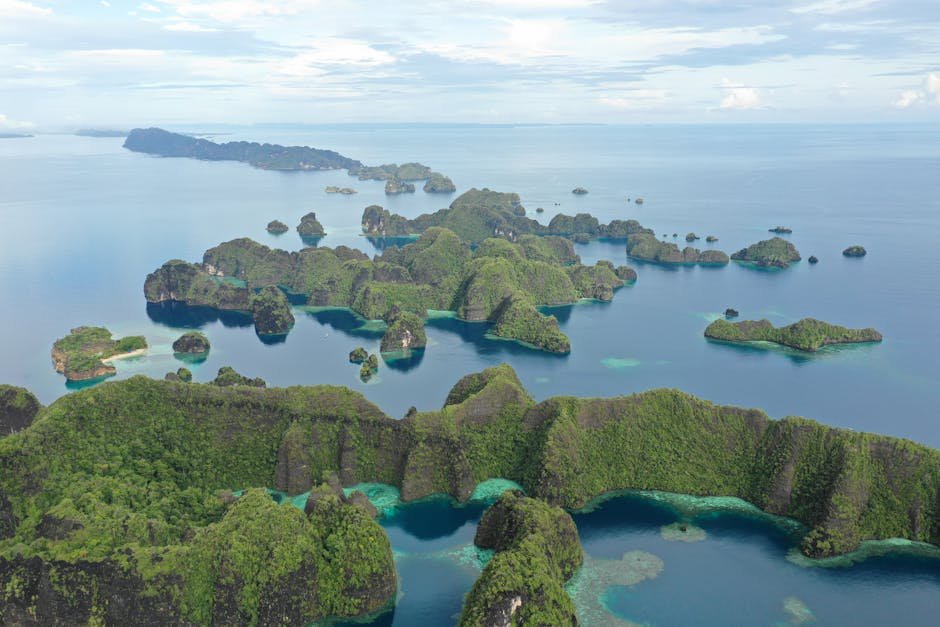
The Dutch East India Company, known as VOC, took this spice quest to the extreme. It waged brutal wars over nutmeg and clove-producing islands in the Banda and Moluccas archipelagos. These "Spice Islands" were the epicenter of clove and nutmeg production, spices that were also incredibly rare and valuable. The VOC's aggressive monopolies shaped modern Indonesia's colonial history, leaving a legacy visible in place names, architecture, and, surprisingly, local cuisine.
A stunning aerial shot of the lush, tropical islands of Raja Ampat, Indonesia.

Moluccas Islands, Indonesia

The Moluccas, once called the Spice Islands, still carry the scent of cloves and nutmeg in their air. Walking here, you feel the pulse of centuries-old struggles between European powers hungry for control, and the indigenous cultures who cultivated these precious spices.

YearEventSignificance
1498Vasco da Gama reaches CalicutSea route to India established, bypassing Arab intermediaries
1602VOC foundedDutch gain monopoly over spice trade
1621Dutch capture Banda IslandsControl of nutmeg production
1492Columbus sails westSearching for pepper, inadvertently discovers the Americas
"Without spices, the world would be a duller place - and history itself, less spicy." - Anonymous 17th-century merchant
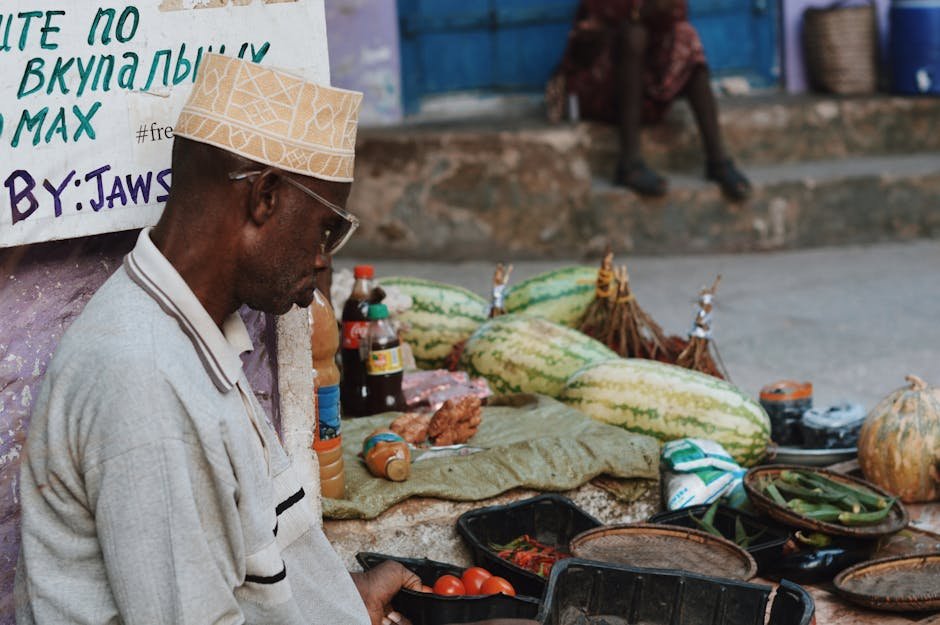
Beyond Asia, the Swahili Coast of East Africa, especially Zanzibar, became a critical hub in the spice routes. Here, cloves thrived under Omani influence, and the spice markets buzz with a blend of African, Arab, and European heritage. The sharp fragrance of cloves hangs in the late afternoon air of Stone Town, mingling with ocean breezes in a sensory layered record that speaks directly to the port's layered past. Visiting the old spice market stalls, you can trace the footprints of traders from centuries ago - some of whom sailed these very seas lusting after those pungent clove buds.
A market scene in Zanzibar City featuring a vendor with fresh produce like tomatoes, watermelons, and spices.

Zanzibar Spice Market, Tanzania

A sensory overload of aromas, colors, and stories. The clove spice market in Zanzibar offers visitors an immersive historical experience intertwined with vibrant daily life.

Modern Clove Powerhouse

Zanzibar produces over 40% of the world's cloves even today, maintaining its centuries-old spice legacy.

Visiting Spice Markets: Practical Tips

  • 1

    Kochi, India: Visit the spice markets near Mattancherry in the morning (8-11 AM) for best aroma and freshest produce. Expect entry to be free; small fees may apply for guided tours (~INR 300).

  • 2

    Moluccas, Indonesia: The Banda Islands are remote; plan a charter boat in dry season (May-Sept). Local guides enhance understanding of spice cultivation.

  • 3

    Zanzibar, Tanzania: Spice tours run daily starting at 9 AM. Prices around $15-$20 USD. Wear light clothing, use mosquito repellent, and try the fresh clove tea.

The science behind the allure of pepper is as fascinating as its history. The black peppercorn contains piperine, a compound that stimulates taste buds and produces a mild numbing heat. Unlike capsaicin found in chili peppers, piperine also enhances the bioavailability of nutrients and medicines - an ancient secret that made pepper not only a flavor enhancer but a valued medicinal ingredient. This subtle chemistry explains why it became a universally desired spice, crossing cultures and continents.

Piperine: The Chemistry of Pepper

Piperine is an alkaloid responsible for the pungency of black pepper. It increases digestive enzyme secretion and enhances absorption of some drugs by up to 20-fold, a fact rediscovered in modern pharmacology.

Traveling these spice routes today is walking through living history. Each market, each island, each port town tells a layered story. When you taste a peppercorn from Kochi, smell a clove in Zanzibar, or step on the volcanic soil of the Moluccas, you encounter the echoes of global ambitions, trade rivalries, and cultural exchanges. History isn't just in dusty books here; it's alive in the air, in the spices, and in the faces of the people who keep these ancient traditions burning bright.
The spice bazaars of Kochi, the clove plantations of Zanzibar, the volcanic nutmeg groves of the Banda Islands - each rewards the unhurried traveler who pauses long enough to ask why a particular scent lingers in a particular alley, or why a certain warehouse still bears a Dutch gable above an Indian doorway. The pursuit of flavor, the thrill of discovery, and the shared human story behind every peppercorn: these are the reasons the spice routes were mapped in the first place, and they remain reason enough to follow them still.
Mattancherry Spice Market, Kochi
4.7

Experience authentic spice trading, fresh local produce, and guided tours explaining historical trade routes.

Free entry, guided tours INR 300 (~$4 USD)Mattancherry, Kochi, Kerala, India
Banda Islands, Moluccas
4.5

Remote volcanic isles famed for nutmeg and mace production, accessible via charter and local guides.

Charter boat prices vary, guided tours from IDR 500,000 (~$35 USD)Maluku Province, Indonesia
Stone Town Spice Market, Zanzibar
4.6

busy old town marketplace with daily spice tours featuring clove plantations.

$15-$20 USD for tours, free to explore marketStone Town, Zanzibar, Tanzania

Nadia Petrova

Travel Editor at Vitano Magazine