The Perfect Empanada: A 5,000km Hunt Across Argentina

The Perfect Empanada: A 5,000km Hunt Across Argentina

Diego Vargas

June 18, 2026

7 min read· 17 views
The argument started in a dusty roadside parrilla outside Cafayate. An old gaucho, weathered hands wrapped around a bottle of Quilmes, pointed at my plate and shook his head. "Those aren't real empanadas, hermano. Real empanadas come from Salta." The cook, wiping sweat from his forehead, fired back: "Salteñas? Bah! You want to taste perfection? Drive to Tucumán and try a tucumana." That's when I knew I was in trouble. I'd just committed to driving the length of Argentina, chasing the perfect empanada through every province that claimed to make them best.

Day 1-3: Salta - Where It All Began

The legendary salteña and its distinctive repulgue
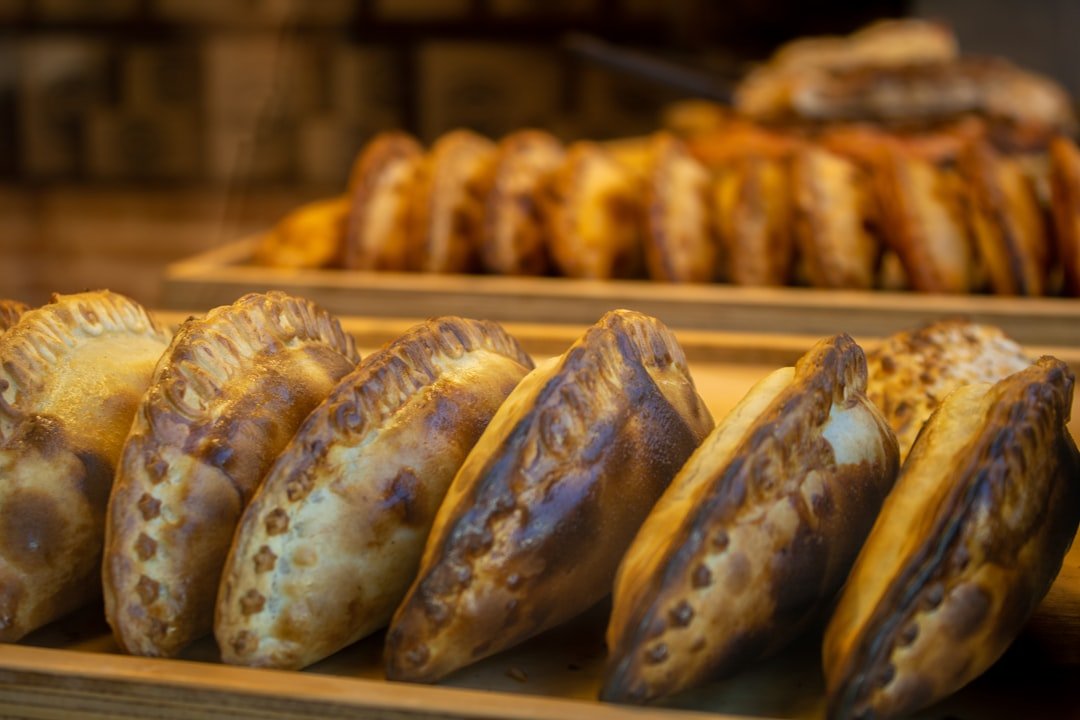
Salta's empanadas are fat, golden beauties baked in clay ovens that date back to colonial times. The filling? Potato, beef, hard-boiled egg, and that distinctive repulgue - the twisted edge that looks like a rope. I parked my van outside Doña Jovita's house on Calle Balcarce, where she's been making salteñas for forty-seven years. "The secret is the potato," she told me, kneading dough at 6 AM. "Papa criolla from the valleys. And you bake them, never fry. Frying is for porteños who don't know better."
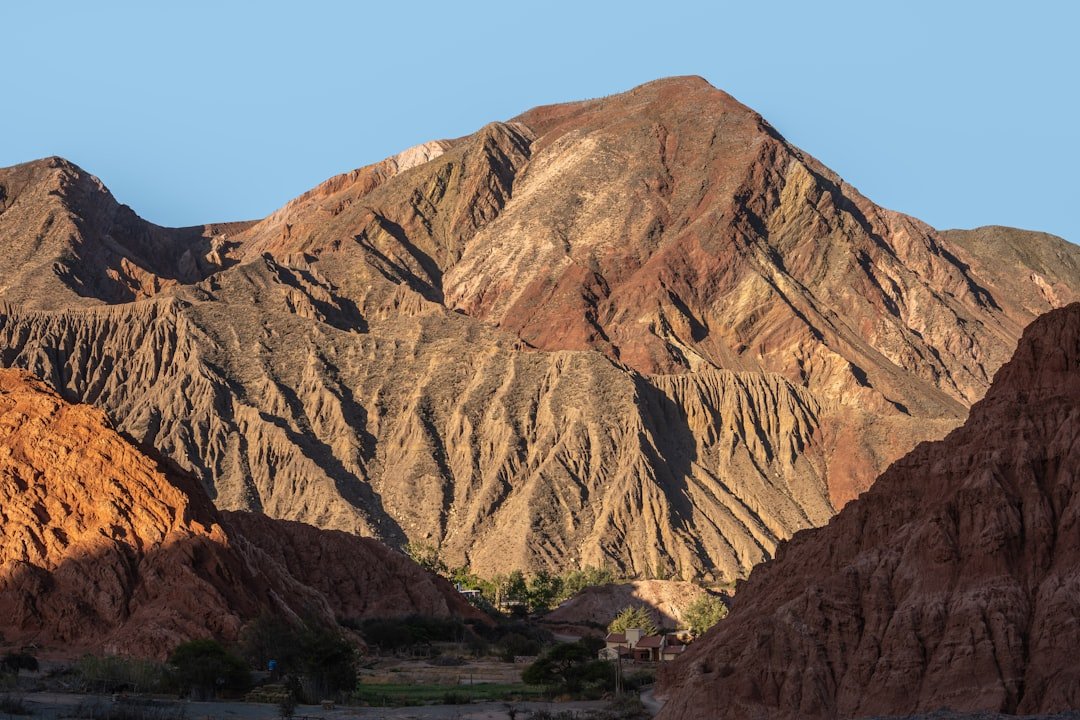
Sunlit desert mountains with colorful rock formations

Salta Province

The northwestern province where empanadas originated during Spanish colonial rule in the 16th century, combining indigenous potato cultivation with European pastry techniques.

Plan your trip with AI

Turn inspiration into a real itinerary. Plan day-by-day routes, find the best spots, and share with friends.

I ate six salteñas that first morning, each one the size of my fist, stuffed with enough filling to constitute a proper meal. The potato gives them substance - this isn't a snack, it's lunch wrapped in pastry. Doña Jovita's cost 800 pesos each, and watching her work was worth every centavo. Her hands moved like a machine, rolling, filling, sealing with that perfect rope twist that's been passed down through generations.

Empanada Statistics

Argentina consumes over 12 empanadas per person per month - that's nearly 600 million empanadas annually

Day 4-6: Tucumán - The Birthplace Controversy

Small, fried, and claiming to be the original

The drive south to Tucumán took me through sugar cane fields and into the heart of empanada nationalism. Tucumanos will tell you, with absolute certainty, that they invented the empanada. The story goes that during the 1814 Battle of Tucumán, local women fed the independence fighters small, portable meat pies. True or not, tucumanas are definitely different - smaller, fried until golden, and packed with finely chopped beef seasoned with cumin and paprika.
I found the best ones at a street cart near Plaza Independencia. Carlos, the vendor, had been frying empanadas there for twenty-three years. "Size doesn't matter," he said, dropping six tucumanas into bubbling oil. "It's about the balance. Meat, onion, spices - nothing else. And you fry them fast, two minutes, so the pastry stays crisp." At 600 pesos each, they were cheaper than Salta's giants, and I could easily eat four without feeling stuffed.
“
"The empanada is Argentina's hamburger - every province thinks theirs is the original, and every grandmother has the secret recipe." - Carlos Mendez, street vendor, Tucumán

Day 7-9: The Famaillá Championship

Where empanada makers battle for supremacy

Famaillá, a small town in Tucumán province, hosts Argentina's national empanada championship every September. I timed my trip to coincide with the festival, parking my van in a field turned temporary campground alongside dozens of other food pilgrims. The competition is serious business - judges score on pastry texture, filling balance, and that intangible quality Argentines call 'alma' (soul).
I watched María Elena Gutiérrez, a 67-year-old grandmother from Santiago del Estero, compete against professional chefs with her simple beef and onion recipe. "They use fancy ingredients," she told me, rolling dough with a wine bottle. "I use what my mother taught me - good beef, sweet onions, and time." She won second place with empanadas that tasted like Sunday lunch at your Argentine grandmother's house, assuming you had one.

Empanada Festival Tips

  • 1

    Book accommodation early - Famaillá fills up during the championship weekend in September

  • 2

    Bring cash - Most vendors don't accept cards, budget around 15,000 pesos for a full tasting day

  • 3

    Pace yourself - With over 200 varieties to try, start small and share with friends

  • 4

    Learn the repulgue - The twisted edge isn't just decoration, different styles indicate different fillings

Day 10-14: Buenos Aires - Urban Evolution

Carne cortada a cuchillo and the porteño style
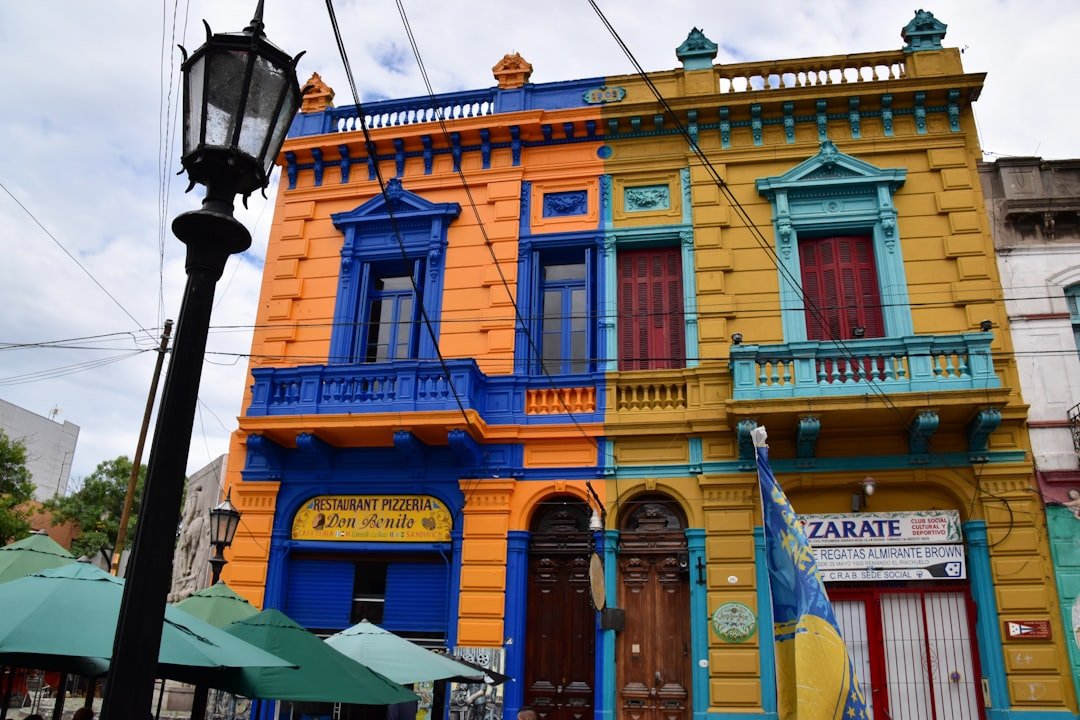
Buenos Aires empanadas reflect the city itself - sophisticated, slightly pretentious, and undeniably delicious. The filling is 'carne cortada a cuchillo' (knife-cut beef), not ground, giving it texture and character. I parked near San Telmo and spent three days eating my way through the city's empanada scene, from high-end restaurants to neighborhood bakeries.
The best came from a tiny bakery on Defensa Street, where the owner, Miguel, explained the porteño philosophy: "We don't need potatoes or fancy spices. Good beef, good pastry, perfect execution." His empanadas cost 1,200 pesos each - expensive by provincial standards - but the knife-cut beef had a texture you can't achieve with ground meat. Each bite revealed different sized pieces, some tender, some with a slight chew.
a couple of buildings that are next to each other

Buenos Aires

Argentina's capital city where European immigration influenced empanada evolution, leading to refined techniques and premium ingredients in the urban style.

Day 15-18: Mendoza - The Olive Connection

Wine country's unique take with olives and garlic

Tours & ticketsGetYourGuide

Tours, entry tickets and day trips

Mendoza's empanadas reflect the province's agricultural abundance - beef, olives, and enough garlic to ward off vampires. The drive through wine country was spectacular, my van climbing through the Andes foothills while I planned my next meal. Mendocinas are baked like salteñas but with a completely different flavor profile thanks to those green olives and aggressive garlic seasoning.
I found the perfect example at a vineyard restaurant outside Maipú. The chef, trained in Buenos Aires but born in Mendoza, explained the local logic: "We grow the best olives in Argentina, why not use them? The salt from the olives balances the beef, and garlic - well, garlic makes everything better." At 1,000 pesos each, they paired surprisingly well with a glass of Malbec, though I wouldn't recommend that combination for breakfast.
Bodega Empanadas del Valle
4.6

Vineyard restaurant serving traditional Mendozan empanadas with olive and garlic filling

$$$ 1,000-1,500 pesos per empanadaRuta 15, Maipú, Mendoza

Day 19-25: The Patagonian Stretch

Lamb country and the southern variations

Patagonia changed everything. The landscape opened into endless steppes, and the empanadas switched from beef to lamb. I drove for hours without seeing another vehicle, my van's GPS occasionally losing signal in the vastness. The first patagónica I tried was in Bariloche - lamb, onions, and sometimes a bit of local cheese, baked until the pastry achieved that perfect golden color that only comes from high-altitude ovens.
But the real revelation came further south, in a roadside estancia near El Calafate. The owner, Don Roberto, raised his own sheep and made empanadas for truckers and travelers. "Lamb is different from beef," he explained, showing me his smoky outdoor oven. "Fattier, more flavor. You don't need much seasoning - just salt, pepper, maybe some oregano." His empanadas were massive, 900 pesos each, and one was genuinely enough for a meal.
The drive south became increasingly surreal. Patagonian empanadas varied wildly - some included guanaco meat, others featured king crab near the coast. I tried a salmon empanada in Puerto Natales that was either brilliant or heretical, depending on your perspective. The further south I drove, the more experimental the fillings became, as if the isolation encouraged culinary creativity.

Day 26-28: Ushuaia - The End of the World Empanada

Centolla and the southernmost filling

Ushuaia, the world's southernmost city, serves empanadas filled with centolla - king crab from the Beagle Channel. After 5,000 kilometers and countless beef, lamb, and potato variations, biting into a crab empanada felt like discovering a new food category. The filling was sweet, delicate, mixed with a bit of cream and herbs I couldn't identify.
I found the best ones at a small restaurant overlooking the channel, where the owner caught his own crab. "People think we're crazy putting seafood in empanadas," he said, watching me devour my third centolla empanada. "But why not? We're surrounded by the best crab in the world." At 2,500 pesos each, they were the most expensive empanadas of my entire trip, but honestly worth every peso.
A body of water with mountains in the background

Ushuaia

The southernmost city in the world, where traditional empanada recipes meet Patagonian seafood in the unique centolla (king crab) filling variation.

Regional Empanada Guide

Each province guards its empanada secrets fiercely. Salta: baked with potato and distinctive rope edge. Tucumán: small and fried, claiming to be the original. Buenos Aires: knife-cut beef, no fillers. Mendoza: olives and garlic. Patagonia: lamb or seafood. The repulgue (twisted edge) often indicates the filling - learn to read them like a menu.

The Verdict: There Is No Perfect Empanada

What 5,000 kilometers taught me about Argentina's national obsession

After twenty-eight days, 5,000 kilometers, and approximately 200 empanadas, I reached an uncomfortable conclusion: there is no perfect empanada. Each region's version reflects its geography, history, and available ingredients. Salta's potato-heavy salteñas make sense in a province that grows exceptional potatoes. Patagonian lamb empanadas exist because that's what grazes on the steppes. Buenos Aires uses knife-cut beef because the city can afford premium ingredients.
The real perfection lies in the diversity. Argentina's empanada tradition adapted to local conditions while maintaining the essential concept - seasoned meat wrapped in pastry, portable and satisfying. Whether baked or fried, large or small, beef or lamb or crab, each empanada tells the story of its place.
Pros
  • Every region offers genuinely different flavors and techniques
  • Prices remain affordable throughout the country (600-2,500 pesos)
  • Perfect road trip food - available everywhere, travels well
  • Cultural insight into regional pride and culinary traditions
Cons
  • Quality varies dramatically between vendors
  • Some tourist areas serve inferior versions for higher prices
  • Eating 200+ empanadas in a month is not recommended for digestive health
  • Regional arguments can become surprisingly heated
My van now smells permanently of cumin and beef fat, and I've gained seven kilos, but I understand something fundamental about Argentina. The empanada wars aren't really about food - they're about identity, tradition, and the fierce provincial pride that defines this country. Every Argentine knows their province makes the best empanadas, and honestly, they're all right.

AccommodationStay22

A map of places to stay near an address

Diego Vargas

Travel Editor at Vitano Magazine
You might also enjoy

Japan's Kissaten Culture: The Disappearing Art of the Coffee House
Food & Culture4 min

Japan's Kissaten Culture: The Disappearing Art of the Coffee House

In the quiet corners of Tokyo, Kyoto, and Osaka, the soft clatter of ceramic cups and the slow drip of siphon coffee machines mark the heartbeat of a fading era. Kissaten, Japan’s old-school coffee houses, embody a meditative pause in the rush of modern life. These velvet-upholstered sanctuaries of classical music and ritualized brewing are vanishing-whispering stories of a gentler, slower Japan that many never knew existed.

YT
Yuki Tanaka
11/10/2026
The Perfect Pad Thai: Bangkok's Street Vendors Guard an 80-Year Secret
Food & Culture7 min

The Perfect Pad Thai: Bangkok's Street Vendors Guard an 80-Year Secret

I know what you're thinking - pad thai is just tourist food, right? Wrong. This dish carries the weight of national identity, born from a 1938 government decree that changed Thailand forever. After eating my way through 47 different versions across Bangkok, I discovered why some vendors still guard their 80-year-old secrets.

PS
Priya Sharma
11/03/2026
The Perfect Goulash: How a Cattle Herder's Stew Conquered Europe
Food & Culture8 min

The Perfect Goulash: How a Cattle Herder's Stew Conquered Europe

From the dried meat pouches of 9th-century Magyar horsemen to the steaming bowls of Budapest's grand cafés, goulash tells the story of a continent shaped by migration, trade, and the simple human need for sustenance. What began as gulyás on the Hungarian puszta became Austria's comfort food, Prague's national dish, and Germany's Sunday dinner - each transformation revealing how cultures digest and reimagine the foods they encounter.

ER
Elena Rossi
10/15/2026