Humboldt in the Andes: The Scientist Who Invented Nature

Nadia Petrova
July 7, 2026
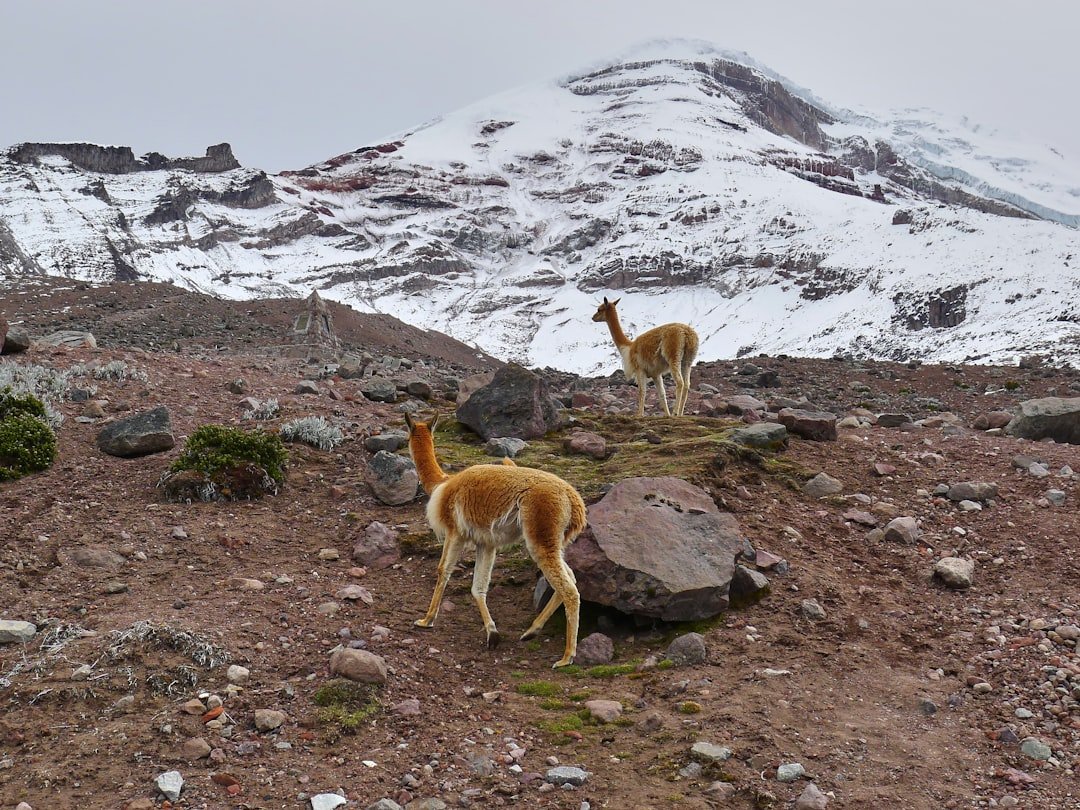
Climbing Chimborazo: The Roof of the Old World
Humboldt's landmark ascent and the science behind it
Did you know?
Despite Everest's higher peak, Chimborazo's summit is the farthest point from Earth's center due to the equatorial bulge.
Plan your trip with AI
Turn inspiration into a real itinerary. Plan day-by-day routes, find the best spots, and share with friends.
1802: Humboldt's Chimborazo Ascent
In June 1802, Alexander von Humboldt reached nearly 5,900 meters on Chimborazo, setting altitude records and collecting specimens that transformed natural science.
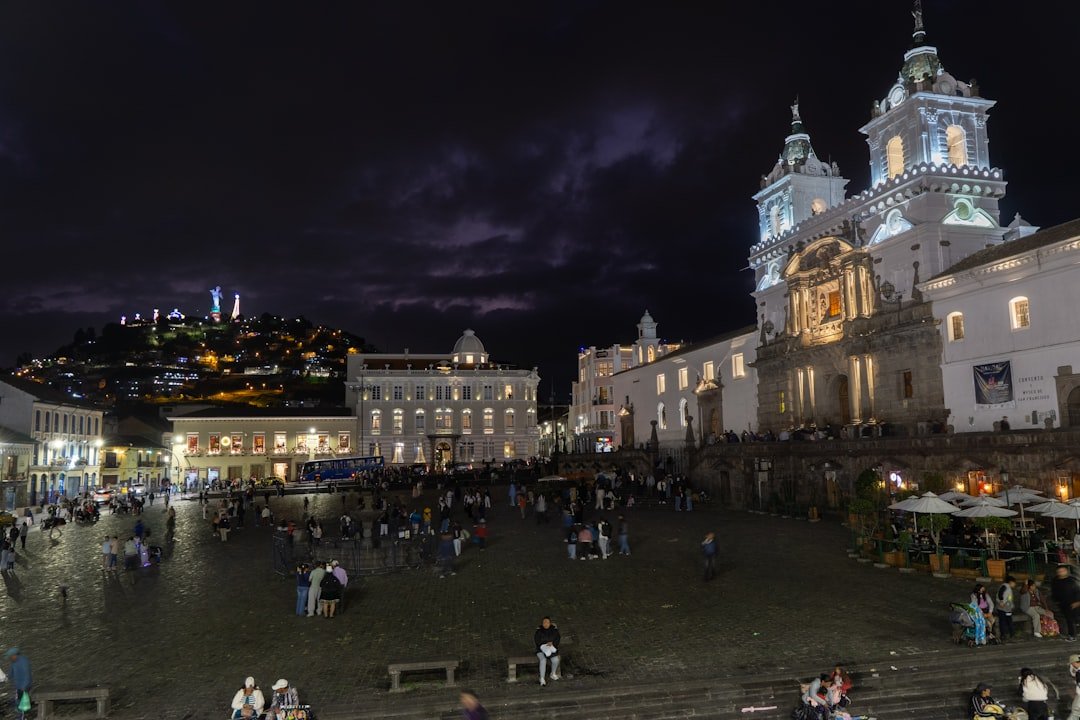
Quito's Historic Center
The city where Humboldt began his Andean explorations, brimming with colonial architecture and lively markets reminiscent of his time.
Inventing Ecological Science in Ecuador's Highlands
How Humboldt connected climate, plants, and geology
Scientific breakthrough
Humboldt's 1807 publication, "Essay on the Geography of Plants," laid the foundation for modern biogeography.
Altitude and Temperature: Nature's Staircase
Humboldt observed temperature drops of approximately 0.6°C per 100 meters climbed, linking climate gradients directly to changes in flora and fauna.
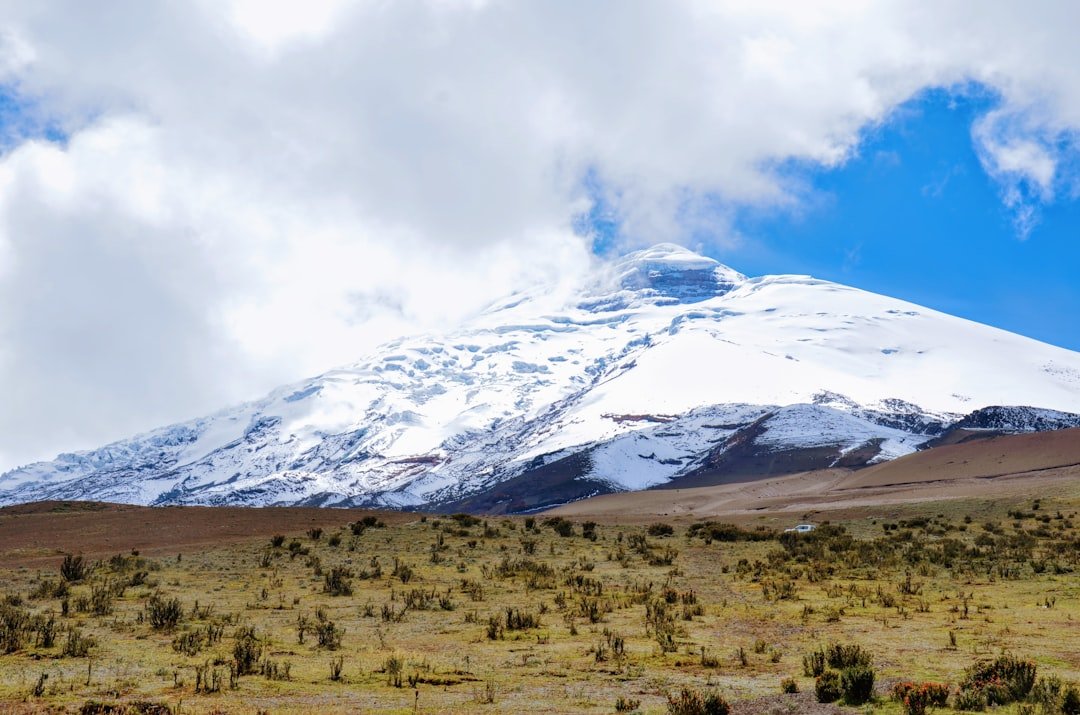
Cotopaxi National Park
Where Humboldt studied volcanic geology and high-altitude ecosystems that still inspire geologists and ecologists today.
From Mountains to the Amazon: The River of Life
Following Humboldt's journey down into Peru's lush Amazon Basin
Exploration fact
Humboldt's Amazon studies (1802-1803) were among the first to systematically describe tropical ecosystems and river hydrology.
Humboldt's Amazon Timeline
1802: Arrival at the Amazon; 1803: Completion of extensive botanical, zoological, and geological surveys.
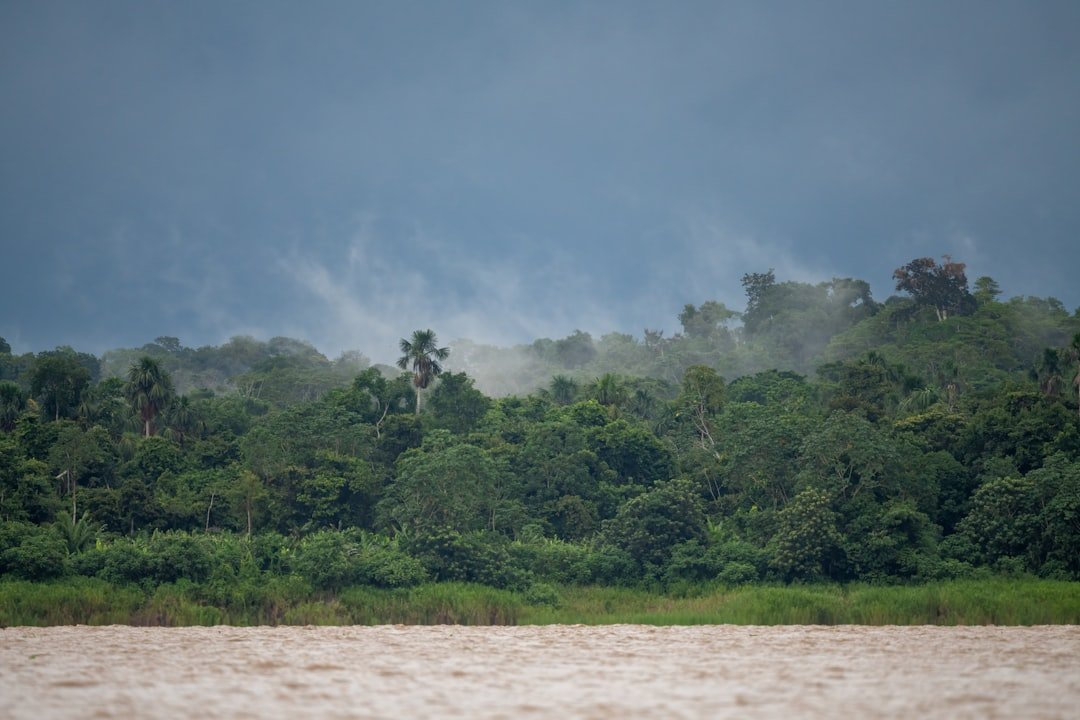
Amazon River near Iquitos
A living laboratory where Humboldt gathered groundbreaking data that bridged tropical science and geology.
Why Humboldt Still Matters
The legacy of the man who invented nature and how to experience it today
Visitor Tips for the Adventurous Scientist
- 1
Acclimatize slowly - altitude sickness is real; spend at least two days in Quito before climbing higher.
- 2
Best season - dry months from June to September offer clearer skies for mountain climbs and Amazon excursions.
- 3
Guided tours - join certified local guides for Chimborazo, Cotopaxi, and Amazon trips to access safe paths and scientific insights.
- 4
Entry fees - Chimborazo Reserve entrance is about $10, Cotopaxi National Park is $10–15, and Amazon lodges vary from $40 to $100 per day.
| Year | Event | Significance |
|---|---|---|
| 1802 | Humboldt climbs Chimborazo | Highest altitude reached at the time; foundational ecological observations |
| 1803 | Amazon expeditions completed | First scientific surveys of tropical river systems and biodiversity |
| 1807 | Publication of "Essay on the Geography of Plants" | Birth of modern biogeography and ecological zonation |
| 2024 | Museo Humboldt reopens in Quito | Preserving Humboldt's legacy with new exhibitions and research |
Nadia Petrova
Travel Editor at Vitano Magazine