The Lost City of Z: Percy Fawcett and the Amazon's Deadliest Secret

The Lost City of Z: Percy Fawcett and the Amazon's Deadliest Secret

James Chen

James Chen

August 18, 2026

3 min read· 13 views

Into the Green Abyss

Percy Fawcett's Last Expedition, 1925

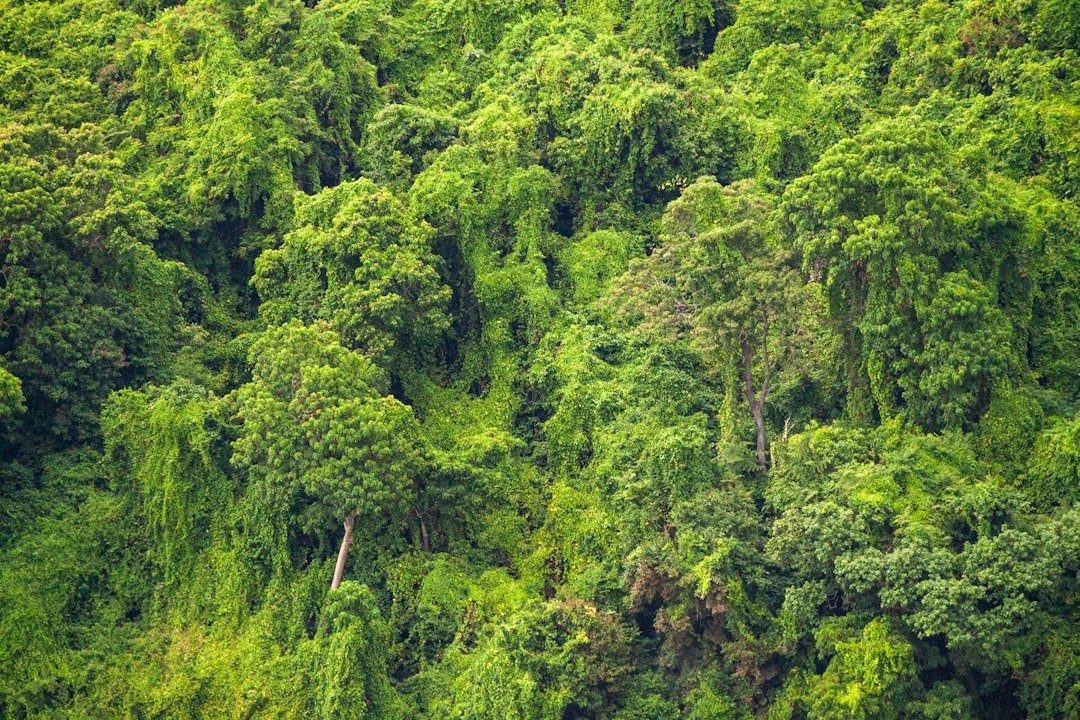
The jungle swallows explorers whole. Percy Fawcett learned this the hard way in 1925 when he vanished into the Amazon's green maze, chasing rumors of a lost civilization. His quest for the fabled City of Z demanded serious preparation: months of planning, specialized gear, and a team willing to risk everything. The British explorer's reports of ancient ruins and vast settlements buried beneath the jungle weren't just romantic fantasy. But the Amazon claimed him before he could prove it. His disappearance sparked decades of speculation, rescue missions, and wild theories (some romantic, others grim).
“
"The jungle is a cathedral where the echoes of lost civilizations whisper through the leaves." - Percy Fawcett

Historical Context

Percy Fawcett started his final expedition in April 1925, accompanied by his son, Jack, and friend Raleigh Rimell. His goal: to map and document the region and locate the legendary City of Z. No confirmed trace of Fawcett or his party has ever been found.

Plan your trip with AI

Turn inspiration into a real itinerary. Plan day-by-day routes, find the best spots, and share with friends.

What Fawcett was after sounded like fantasy. But modern archaeology has uncovered what may well be the civilization he sought. Kuhikugu, a complex of at least 20 interconnected settlements near the headwaters of the Xingu River, was home to roughly 50,000 people between 1250 and 1600 AD. The scale and sophistication stunned researchers: evidence of urban planning, agriculture, and social organization that defied past assumptions about Amazonian tribes.

Surprising Fact

The Kuhikugu settlements covered an area of about 250 square kilometers, featuring plazas, defensive trenches, and complex road networks - all built centuries before European contact.
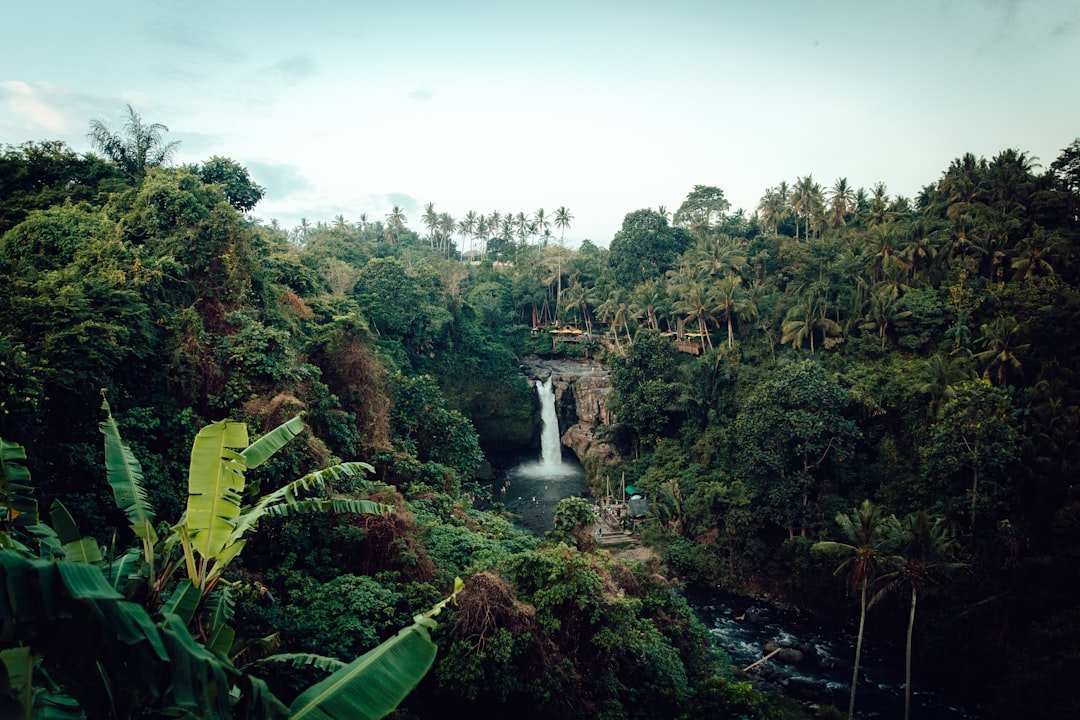
waterfalls beside trees

Kuhikugu Archaeological Site

Excavations in the dense Amazonian jungle revealed ceramic fragments, evidence of farming, and large earthen structures. The sites are accessible only with specialized guides, often after days of river navigation and jungle trekking.

YearEventSignificance
1925Percy Fawcett disappearsLast known expedition into the Amazon seeking City of Z
1960sInitial archaeological surveysEarly evidence of complex Amazonian settlements
2000sDiscovery of Kuhikugu sitesProof of large pre-Columbian urban centers in the Amazon
2018High-resolution satellite imagery usedMapping of extensive ancient earthworks in Xingu region
Traversing the Xingu today is no small feat. The region remains remote, wild, and culturally rich. Indigenous communities continue to guard their heritage and knowledge. I recall a moment when my guide corrected my Portuguese pronunciation; a reminder that respect and patience are essential in these journeys. The jungle itself is a formidable partner with relentless insects, sudden rains, and labyrinthine waterways.

Tours & ticketsGetYourGuide

Tours, entry tickets and day trips

Visitor Tips for the Xingu and Kuhikugu

  • 1

    Hire local guides - Their knowledge of terrain and culture is invaluable and supports indigenous livelihoods.

  • 2

    Pack lightweight, moisture-wicking clothing and long sleeves for insect protection.

  • 3

    Plan your trip between May and September - The dry season offers easier access and fewer mosquitoes.

  • 4

    Bring a reliable water purification system - Clean water is scarce outside main villages.

  • 5

    Respect local customs and restrictions - Many areas require permissions or guided access only.

Did you know?

Early explorers underestimated Amazonian societies, assuming isolated tribes. Kuhikugu and others proved dense populations with advanced agriculture thrived here for centuries.
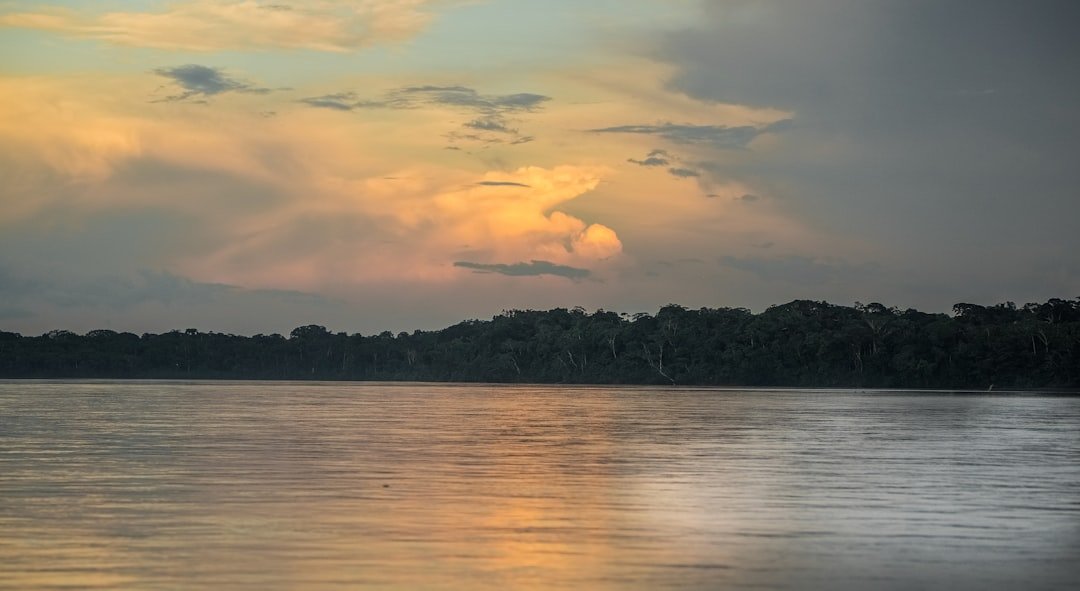
From an adventure standpoint, the expedition is physically demanding. River trips involve paddling against currents, jungle walks require navigating slippery terrain, and heat exhaustion is a constant risk. My wilderness first responder training kicked in more than once. Yet, the reward is profound: glimpses of earthworks invisible from the ground, the crackle of wildlife, and the silent testimony of a lost civilization reborn through science.
a large body of water with trees in the background

The Modern Xingu River

Today the Xingu River is a lifeline for indigenous people and explorers alike. Its waters pulse with the rhythm of the forest, carrying stories from ancient times to the present.

Museu do Índio, Rio de Janeiro
4.5

Exhibits on indigenous cultures of the Amazon, including Kuhikugu artifacts.

Free entryRua das Palmeiras, 55, Rio de Janeiro, Brazil
Parque Indígena do Xingu
4.7

Protected indigenous territory with guided cultural tours (permission required).

Varies by tourXingu, Mato Grosso, Brazil
The story of Percy Fawcett and the Lost City of Z is more than an explorer's tragedy. It's a window into the resilience and complexity of Amazonian civilizations, rewritten by the tools of modern archaeology and the voices of native communities. Standing in the shadow of ancient earthworks, I'm reminded that the jungle (deadly and beautiful) guards its secrets fiercely, but not forever.

Budget Insight

A guided trip into the Xingu region including river transport, local guides, and permits typically costs around $2000–$3000 USD per week, reflecting the logistical challenges and cultural permissions involved.

For the modern adventurer, the message is clear: respect the jungle. It's not just a backdrop for lost cities or legends but a living, breathing ecosystem with stories etched into every root and river bend. Exploring Kuhikugu is stepping into history's wild heart, where science and myth dance beneath the canopy.

AccommodationStay22

A map of places to stay near an address

James Chen

James Chen

Travel Editor at Vitano Magazine
You might also enjoy

Surfing Portugal's Silver Coast: From Ericeira to Nazaré
Adventure4 min

Surfing Portugal's Silver Coast: From Ericeira to Nazaré

If you’re chasing waves in Europe, Portugal’s Silver Coast is where it’s at. From beginner-friendly breaks to some of the world’s gnarliest big waves, this stretch between Ericeira and Nazaré offers a raw, salty ride alongside charming fishing villages, lively surf camps, and an endless Atlantic soundtrack. Pack your board, mate - we're hitting the road and the water!

DV
Diego Vargas
09/08/2026
Via Ferrata in the Dolomites: A Beginner's Guide to Iron Paths
Adventure4 min

Via Ferrata in the Dolomites: A Beginner's Guide to Iron Paths

At 2,500 meters above sea level, clipped into steel cables with nothing but a harness and your wits between you and a steep drop, the Dolomites’ via ferrata roads offer a raw, exhilarating taste of alpine adventure. Whether you're a first-timer or a hardened climber, navigating these iron paths rewards you with vertigo-inducing views, adrenaline jolts, and an unforgettable connection to the mountains. I’ve done 12 via ferratas here; this guide cuts through the hype with real-world insights on the best routes, gear rentals, rifugio stays, and what to expect when you sign on for your first climb.

MB
Marcus Berg
08/11/2026
The Geology of Iceland: Walking on a Planet Being Born
Adventure3 min

The Geology of Iceland: Walking on a Planet Being Born

Iceland is one of the rare places on Earth where you can quite literally walk on a planet being born. Positioned on the Mid-Atlantic Ridge, this island nation embodies both the violent and the beautiful forces that shape our world. From erupting volcanoes to steaming geysers and vast black sand beaches, Iceland offers a geology field trip like no other. Join me as we traverse Þingvellir, Mývatn, and Fagradalsfjall - sites where history and science unfold beneath your feet.

NP
Nadia Petrova
07/28/2026