Transylvania's Real Vampires: Vlad Dracula and the History Behind the Myth

Nadia Petrova
October 27, 2025
From Wallachian Prince to Gothic Legend
The man behind the myth
Historical Timeline Snapshot
1431 - Vlad III Dracula is born in Sighișoara, Transylvania 1448 - First brief rule of Wallachia 1462 - Battle against the Ottoman Empire, famous impalement of captured soldiers 1476/77 - Vlad Dracula dies in battle or assassination 1897 - Bram Stoker publishes 'Dracula,' borrowing Vlad's name
Plan your trip with AI
Turn inspiration into a real itinerary. Plan day-by-day routes, find the best spots, and share with friends.
Grisly Reality
Vlad Dracula's most horrifying weapon, impalement, involved a wooden stake driven through the victim's torso, a method that could take hours or even days for death to occur.
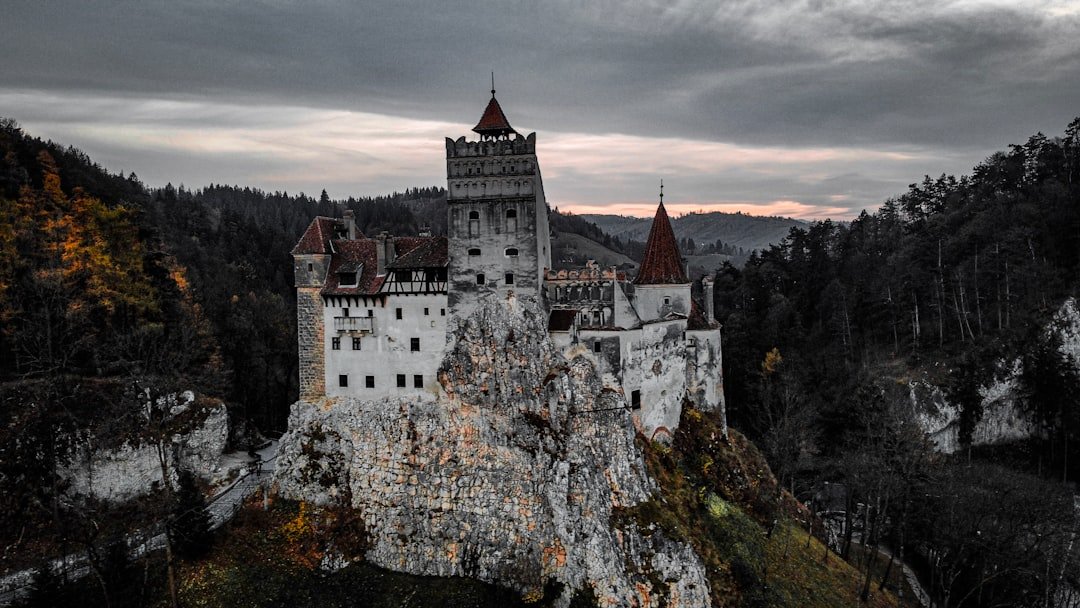
Bran Castle: The Vampire's Misnomer
Perched on a rocky outcrop near Brașov, Bran Castle is a medieval fortress with turbulent history but tenuous links to Vlad III. While Vlad may have passed through or been imprisoned briefly, the castle's real role was defending a mountain pass and collecting customs duties. Visiting in late autumn, the crisp mountain air carries the scent of damp stone and pine, the atmosphere ripe for ghost stories but grounded in centuries of shifting power.
Castle Truth
Despite its tourist branding, Bran Castle was never Vlad III's primary residence.
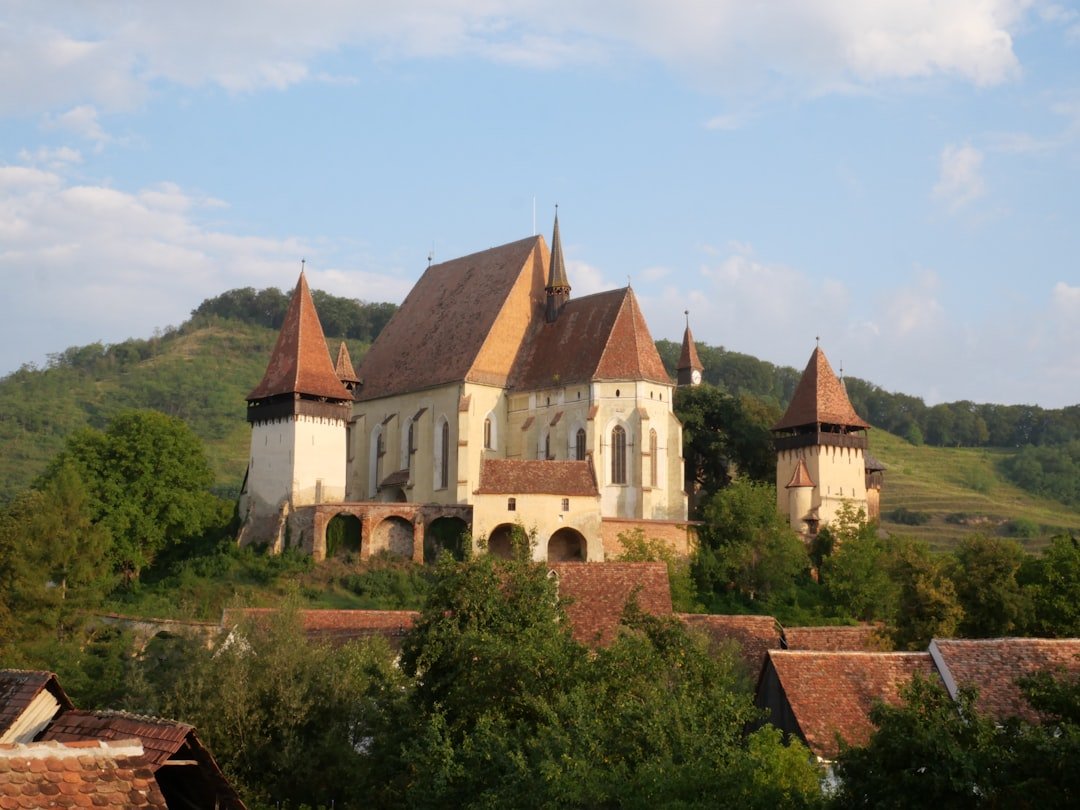
Poenari Castle: Vlad's True Stronghold
Though mostly ruins, Poenari's strategic position atop cliffs made it nearly impregnable in the 15th century. The air is crisp, punctuated by birdsong and rustling leaves, a stark contrast to tales of blood and stakes. Here, the past is tactile: the rough stone walls, the weathered battlements, the ghostly silence between gusts of mountain wind.
Scientific Insight: Why the Vampire Myth Endured
Anthropologists link vampire myths to historical fears of disease and death. In 18th-century Eastern Europe, misunderstandings about decomposition and grave diggings fueled vampire hysteria. Vlad's posthumous reputation as a bloodthirsty tyrant morphed into the vampire archetype through this lens, catalyzing folklore that Stoker later adapted.
Myth vs. History
The earliest vampire legends in Eastern Europe predate Bram Stoker by centuries and are deeply rooted in folk customs around death and disease.
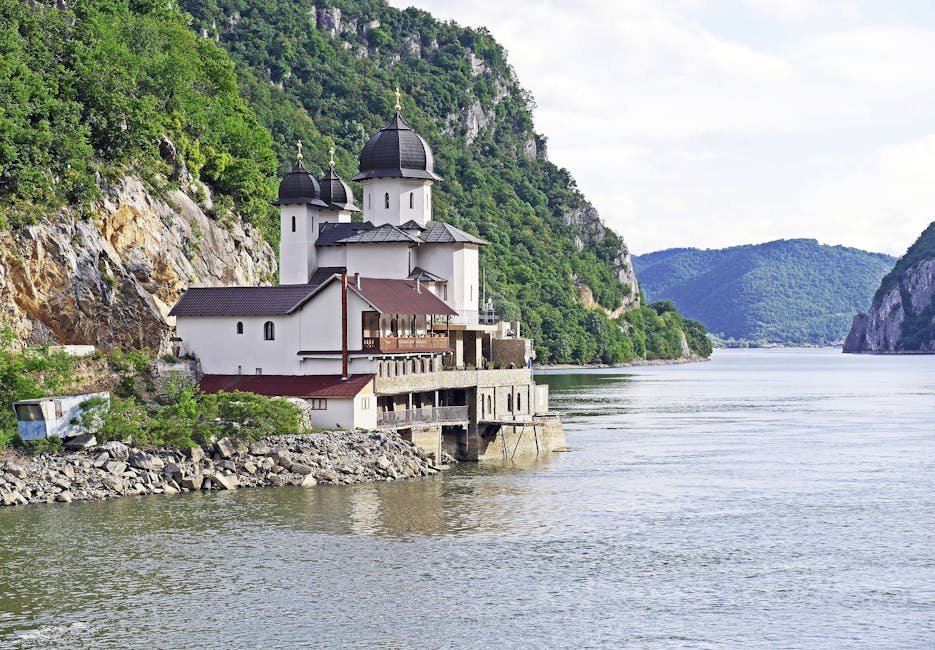
Snagov Monastery: The Alleged Tomb of Vlad III
This tranquil island monastery offers a spiritual retreat and a touch of mystery. Visitors often reflect on the contrast between Vlad's bloody reign and the peaceful monastic life here today. The lake's cool water and tree-lined shore evoke contemplation rather than terror.
Visitor Tips for Exploring Vlad Dracula's Haunts
- 1
Best Time to Visit - Late spring to early autumn offers mild weather and open sites; winter can be harsh and many locations close or are difficult to access.
- 2
Getting There - Bran Castle is easily reached from Brașov by car or bus; Poenari Castle requires a car and a steep climb, so wear sturdy shoes and bring water.
- 3
Guided Tours - Consider a guide for historical context, especially at Poenari and Snagov; English-speaking tours are widely available.
- 4
Budget - Entry fees range from 15 to 40 RON (~$3.50 to $9.00 USD); guided tours can add 50 to 150 RON depending on duration.
| Year | Event | Significance |
|---|---|---|
| 1431 | Birth of Vlad III Dracula | Beginning of the prince who inspired Dracula |
| 1462 | Vlad's Night Attack on Ottoman Camp | Demonstrated guerrilla warfare and impalement terror tactics |
| 1476 | Death of Vlad III | Marked the end of his rule but the start of lasting legends |
| 1897 | Publication of 'Dracula' | Bram Stoker's novel popularized vampire myth worldwide |
"Vlad was not a monster; he was a prince who defended his people with harsh means. The vampire story is foreign to us, yet it brings visitors who then discover our real culture." - Ioana Popescu, historian, Bucharest
Bran Castle
Medieval fortress linked popularly to Dracula mythology, offering exhibits on medieval history and local legends.
Poenari Castle
Ruined fortress of Vlad the Impaler with panoramic Carpathian views; requires hiking to reach.
Snagov Monastery
15th-century island monastery reputed to house Vlad's tomb, renowned for its peaceful setting and Orthodox architecture.
Nadia Petrova
Travel Editor at Vitano Magazine