Swedish Lapland: Dog Sledding and Aurora Under the Polar Night

Swedish Lapland: Dog Sledding and Aurora Under the Polar Night

James Chen

December 19, 2025

5 min read· 68 views
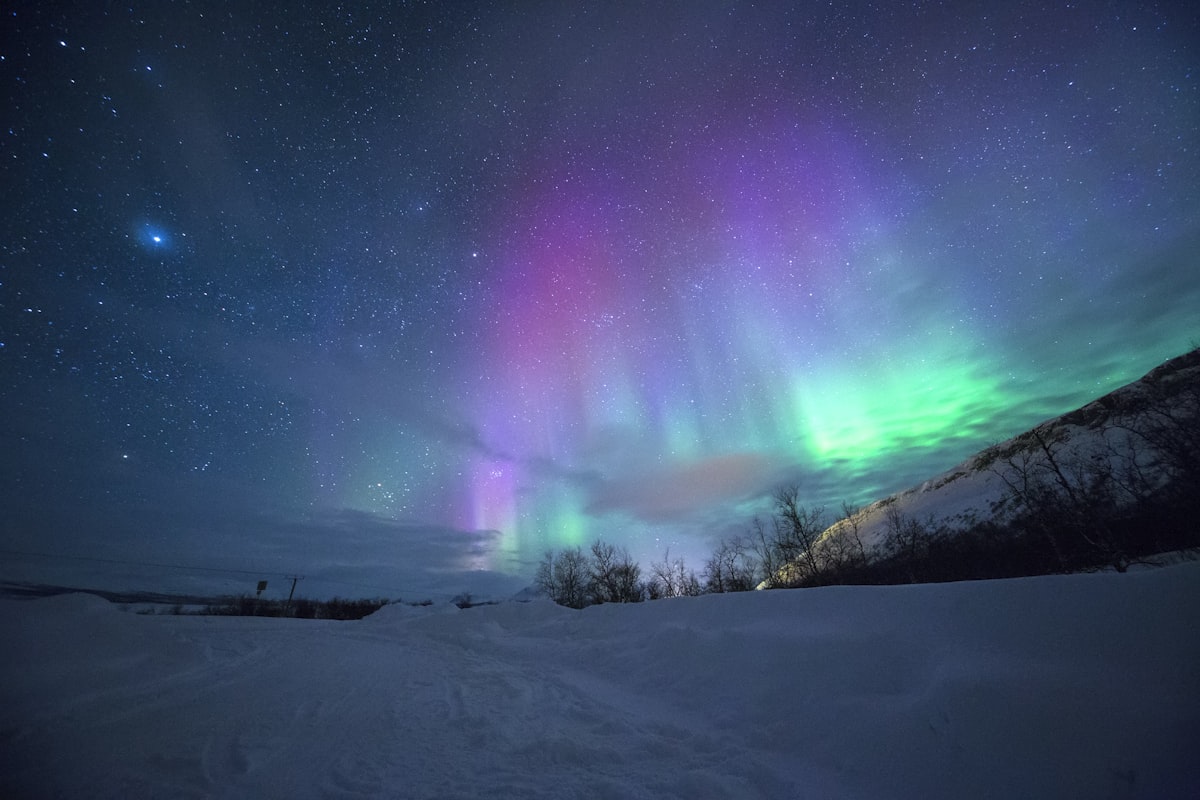
The moment I stepped off the overnight train at Jokkmokk station, the cold hit me like a blast of Arctic air. Sharp, invigorating, unmistakably real. It was late January, deep into the polar night, when the sun disappears for nearly two months. Darkness cloaked the landscape, but above, the aurora swirled in haunting ribbons of green and purple. I was here to experience the rawness of Swedish Lapland, a land where silence reigns and the northern lights dance.

Dog Sledding in Jokkmokk

Mushing through pristine wilderness
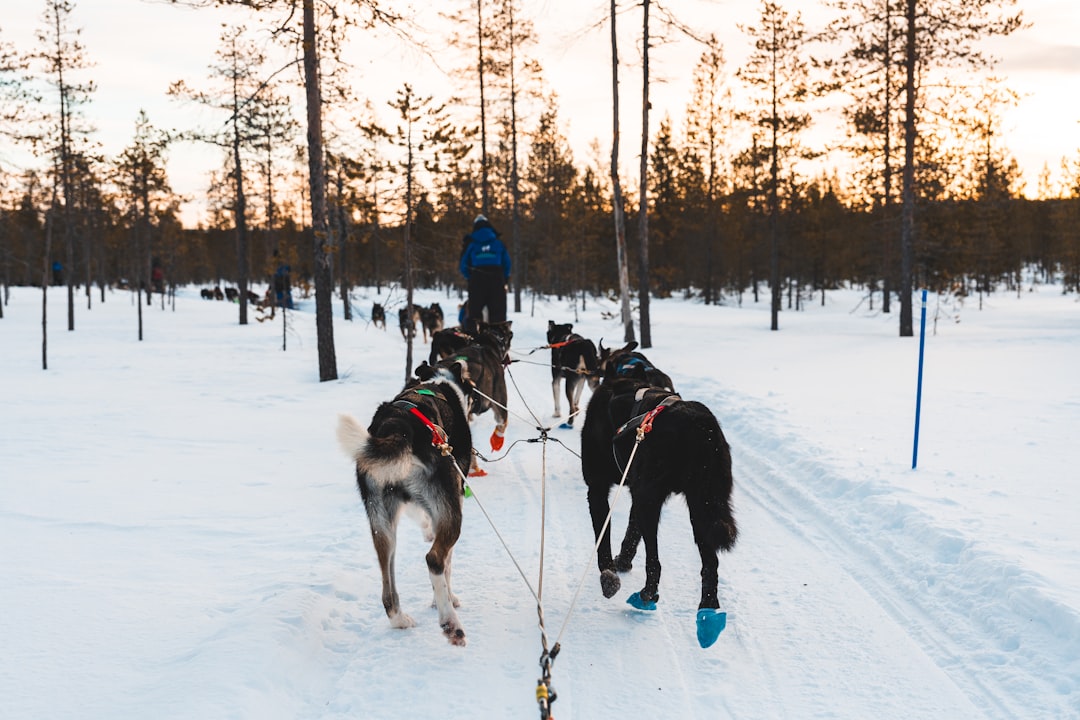
Jokkmokk, at 250 kilometers north of the Arctic Circle, is a gateway to the wild. I remember bundling up in layers: thermal base, fleece mid-layer, and a heavy parka before meeting my team of eager huskies. The kennels sit just outside town, on the edge of boreal forest. You can smell the sharp pine and the musk of excited dogs. When the sled took off, the cold wind whipped my cheeks and the only sound was the rhythmic panting and paws crunching on snow. The trail was a mix of frozen riverbeds and untouched forest paths, all under a sky so dark it felt infinite.
Aurora borealis green lights dancing over snowy Lapland landscape

The Northern Lights Over Swedish Lapland

There is nothing quite like standing in minus 25 degrees, breath crystallizing in the air, watching ribbons of green and purple light twist across the Arctic sky. The aurora borealis is not something you photograph and forget; it is something that rewires your sense of scale.

Plan your trip with AI

Turn inspiration into a real itinerary. Plan day-by-day routes, find the best spots, and share with friends.

Essential Tips for Dog Sledding in Jokkmokk

  • 1

    Layer up - temperatures can dip below -20°C; bring windproof outerwear and insulated gloves.

  • 2

    Book early - sledding spots fill quickly in peak winter (December to February).

  • 3

    Listen to your guide - safety is key on icy trails; follow instructions on braking and turning.

  • 4

    Bring a camera with good low-light capability - the scenery is stunning but lighting is tricky.

  • 5

    Fitness level - moderate; you'll need to stand on the sled runners and help the dogs on uphill stretches.
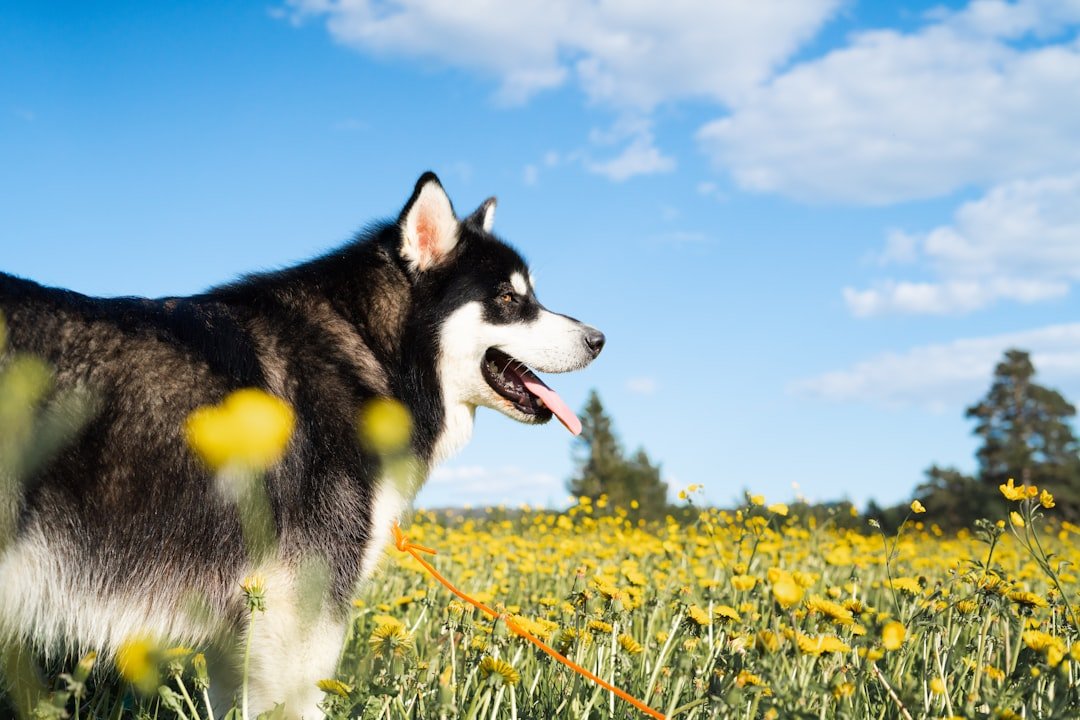
My guide, Lars, told me about the dogs: Alaskan huskies bred for endurance and speed, each with distinct personalities. I loved steering the sled, feeling the raw power beneath me. The trail led to a frozen lake where the silence was so complete I could hear my heartbeat. At one point, the lead dog suddenly veered left toward a cluster of snow-laden trees. There, grazing quietly in the white stillness, stood a lone reindeer watching us with curious eyes.
a husky dog standing in a field of yellow flowers

The Sled Dogs of Jokkmokk

Alaskan huskies ready to run, tails wagging, breath steaming in the cold air. The bond between musher and pack is palpable here.

The Icehotel in Jukkasjärvi

Art, architecture, and icy luxury

An hour southeast from Jokkmokk lies Jukkasjärvi, home to the legendary Icehotel. I arrived just as twilight melted into darkness, the sky ablaze with aurora. The hotel is rebuilt each year from river ice and snow harvested from the nearby Torne river. Walking inside feels like stepping into a crystal cathedral; massive ice sculptures and carved furniture dominate the space. I stayed in an art suite where the temperature inside hovered around -5°C. Don't worry, your bed is a thermal sleeping bag layered with reindeer skins. I remember sipping hot lingonberry juice in the Icebar, the chill biting but the atmosphere electrifying.
The Icehotel is open from December to April, with guided tours daily at 9 am, 12 pm, and 3 pm. Prices for rooms range from SEK 2000 to 7000 per night, depending on the suite. I highly recommend booking a Northern Lights photography workshop on-site; the expert led me to perfect spots and helped with camera settings in the extreme cold.

Sami Culture: Connection to Land and Reindeer

Learning from the Indigenous people of the Arctic

Understanding Lapland means understanding the Sami. I visited a family camp near Jokkmokk, where I was welcomed with coffee brewed over an open fire and traditional gáhkku bread spread with reindeer cheese. Through their stories, I learned about the harshness of the land and the grace of their reindeer herding tradition, which has endured for centuries despite modern pressures.

Good to Know

The Sami National Day is February 6th - a perfect time to visit for cultural festivals, traditional music, and crafts markets around Jokkmokk.

I remember trying to pronounce 'Duodji' (Sami handicrafts) and laughing as my tongue tripped over the sounds. The family showed me how to make a simple lasso, a skill still used in reindeer herding. It was humbling to realize how closely tied their lives are to the rhythms of nature, a contrast to the rush of modern cities.

The Silence and Stillness of Frozen Wilderness

Finding peace above the Arctic Circle

Each night, after dinner at a cozy local tavern on Storgatan Street in Jokkmokk, I bundled up to chase the northern lights one last time. The silence of the Arctic night is profound: no cars, no chatter, just the whisper of wind over snow. I found a clearing, lay back on the frozen ground, and watched as the aurora borealis rippled across the sky, nature's own quiet show.

Did you know?

Swedish Lapland sees about 190 nights per year suitable for aurora viewing, some of the highest chances worldwide.

This trip requires planning. The polar night lasts roughly from early December to mid-January. Temperatures can plunge to -30°C, so bring serious cold-weather gear. Flights land at Luleå or Kiruna airports, with transfers by bus or rental car to Jokkmokk or Jukkasjärvi. Budget roughly SEK 15,000–25,000 for a week, including accommodation, activities, and meals: a premium experience but worth every krona.
ActivitySeasonPrice Range (SEK)Difficulty
Dog sledding in JokkmokkDecember to March1500–3000 per sessionModerate
Icehotel stay and toursDecember to April2000–7000 per nightEasy
Sami cultural experiencesYear-round (best winter)500–1500Easy
Northern lights photography tourSeptember to March1000–2000Easy to moderate

Packing Essentials for Swedish Lapland in Winter

  • 1

    Thermal base layers - merino wool is best for warmth and moisture control.

  • 2

    Insulated parka and snow pants - windproof and waterproof are must-haves.

  • 3

    Warm boots - rated for at least -30°C, with good grip for icy conditions.

  • 4

    Hand and foot warmers - disposable or electric for extra comfort.

  • 5

    Headlamp and extra batteries - darkness is near total during polar night.

Jokkmokk Dog Sledding Center
4.7

Guided dog sledding tours through pristine Arctic forests.

1500–3000 SEK · mid-rangeSundströmsvägen 5, Jokkmokk
Icehotel Jukkasjärvi
4.9

World-famous hotel made entirely of ice, with unique art suites and tours.

2000–7000 SEK · luxuryMarknadsvägen 63, Jukkasjärvi
Ájtte Museum
4.5

Museum dedicated to Sami culture and the natural history of Lapland.

120 SEK entryStorgatan 19, Jokkmokk
Pros
  • Unparalleled opportunities to see the northern lights.
  • Rich Sami cultural experiences.
  • Access to thrilling dog sledding and snowy wilderness.
  • Unique overnight stay in the Icehotel.
Cons
  • Extreme cold requiring serious preparation.
  • Limited daylight during polar night may challenge some travelers.
  • Relatively high costs due to remote location and specialty services.
Swedish Lapland is not just a destination; it's an immersion into an elemental world where nature writes the rules. My heart still races remembering the first sprint with the sled dogs, the icy chill of the Icehotel, and the serene faces of Sami storytellers by the fire. For those seeking adventure and quiet wonder under the magical aurora, this is a trip that etches itself into your soul. So, The Arctic awaits.

James Chen

Travel Editor at Vitano Magazine
You might also enjoy

Tulip Mania: From the World's First Financial Crash to Holland's Flower Fields
Where to Go5 min

Tulip Mania: From the World's First Financial Crash to Holland's Flower Fields

In 1637, a single tulip bulb sold for more than a canal house in Amsterdam. Today, the Netherlands still commands 80% of the global flower trade, its fields painting the landscape in geometric precision each spring. This is the story of beauty, obsession, and the economics of desire.

ID
Isabelle Dubois
05/01/2026
The Curse of the Pharaohs: What Really Happened After Tutankhamun's Tomb
Where to Go3 min

The Curse of the Pharaohs: What Really Happened After Tutankhamun's Tomb

In November 1922, a team led by Howard Carter cracked open the sealed gateway to Tutankhamun’s tomb, unleashing a discovery that would captivate the world-and spark rumors of a deadly curse. Just four months later, Lord Carnarvon, the expedition’s financier, died unexpectedly. Newspapers howled “The Curse of the Pharaohs,” but was it supernatural vengeance or something far more earthly? Journey with me to Egypt’s Valley of the Kings where history, science, and legend collide beneath the desert sun.

NP
Nadia Petrova
11/08/2025
Patagonia's Torres del Paine: The W Trek Complete Guide
Where to Go6 min

Patagonia's Torres del Paine: The W Trek Complete Guide

Stretching across Chile’s wild southern frontier, the W Trek in Torres del Paine National Park is a pilgrimage for adventurers. Rugged peaks, azure lakes, and glaciers sculpt a landscape both brutal and beautiful. I’ve walked this trail myself, feet aching, lungs burning-but every step rewarded with soul-stirring vistas. Here’s your day-by-day survival and joy guide to conquering one of the world’s greatest hikes.

JC
James Chen
11/05/2025