Swedish Midsommar: Dancing Around the Maypole at the Edge of the Arctic

Swedish Midsommar: Dancing Around the Maypole at the Edge of the Arctic

Tom Eriksson

Tom Eriksson

June 8, 2026

9 min read· 12 views

When my 11-year-old Oscar asked why we were hopping like frogs around a giant flower-covered pole at midnight in broad daylight, I realized we'd stumbled into something bigger than Christmas in Sweden. Midsommar isn't just a holiday-it's a pagan fertility ritual disguised as the world's most family-friendly party.

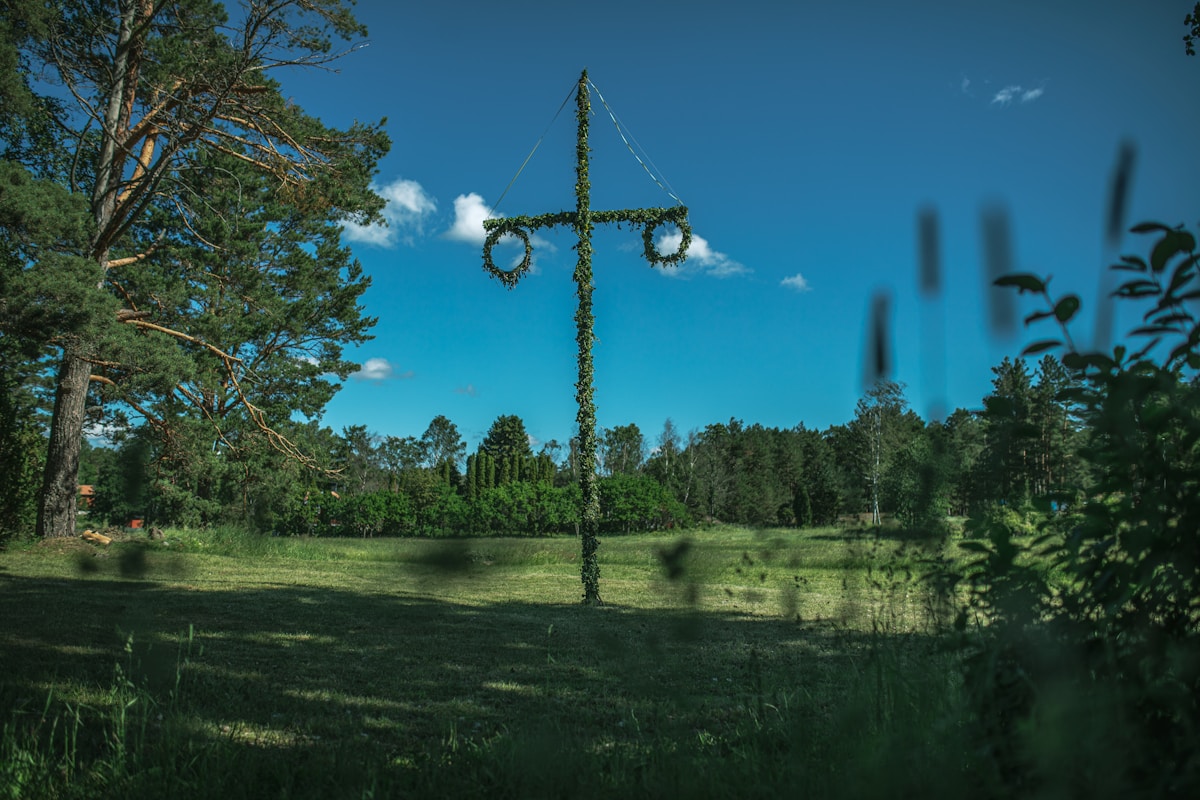
Every June, Sweden transforms into a nation of flower crown-wearing, herring-eating, schnapps-singing celebrants. The midsommarstÄng-that towering cross-shaped maypole decorated with wildflowers and greenery-becomes the center of communities from Stockholm's archipelago to the midnight sun territory above the Arctic Circle. For families traveling with children, Midsommar offers something rare: a genuine cultural immersion that kids actually understand and enjoy.
Planning around Midsommar requires logistics precision that would make my former consulting clients proud. The celebration always falls on the Friday between June 19-25, with most festivities concentrated on Midsummer Eve (Friday) rather than the official Midsummer Day (Saturday). This means booking accommodations well in advance-Swedish families have been reserving the same summer cottages for generations.

The Pagan Roots Parents Never Mention

Understanding the fertility festival hiding in plain sight

Plan your trip with AI

Turn inspiration into a real itinerary. Plan day-by-day routes, find the best spots, and share with friends.

The midsommarstÄng isn't just decorative-it's a fertility symbol so obvious that Swedish parents have perfected the art of distraction. The pole's cross-shape represents the union of earth and sky, while the circular wreaths symbolize female fertility. When pre-Christian Scandinavians celebrated the summer solstice, they weren't just marking the longest day; they were performing rituals to ensure bountiful harvests and human fertility.
Modern celebrations retain these ancient elements, sanitized for family consumption. Young unmarried women still collect seven different flowers to place under their pillows on Midsummer night, supposedly to dream of their future husbands. The traditional games-sack races, three-legged races, and that infamous frog dance (SmÄ grodorna)-all have fertility undertones that Swedish parents cheerfully ignore while their children hop around the maypole.

Cultural Priority

More Swedes celebrate Midsommar than Christmas-96% participate versus 85% for Christmas

The foods tell the same story. New potatoes, the first harvest of summer, represent renewal and abundance. Pickled herring arrives in varieties that would challenge any parent's patience to explain-mustard herring, dill herring, curry herring. The strawberry cake (jordgubbstÄrta) topped with fresh cream isn't just dessert; it's the culmination of Sweden's brief but intense berry season.

Dalarna: Midsommar's Spiritual Headquarters

Where tradition runs deepest and tourists blend in
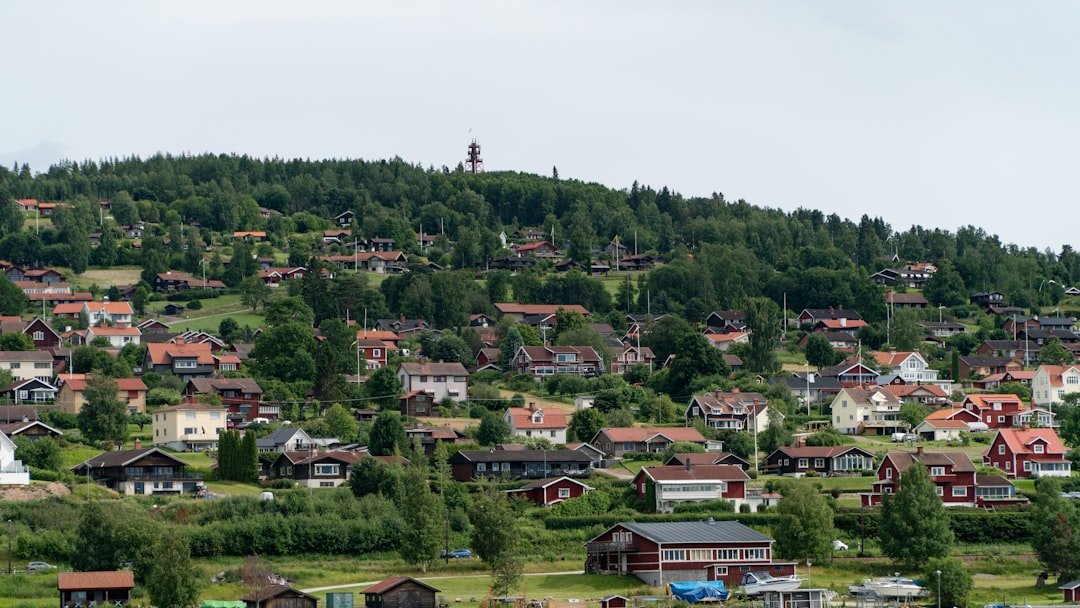
If Sweden has a Midsommar capital, it's the province of Dalarna, two hours northwest of Stockholm. Here, the celebrations feel less performative and more genuinely communal. The town of RÀttvik hosts one of Sweden's most authentic celebrations at RÀttviks GammelgÄrd, an open-air museum where the midsommarstÄng reaches nearly 25 meters high.
a group of houses on a hill

RĂ€ttvik Midsummer Celebration

Traditional red wooden houses surround the massive maypole as families in folk costumes perform centuries-old dances. The celebration runs from noon until well past midnight, with activities scaled perfectly for different age groups.

My 7-year-old Emma discovered the children's program at RĂ€ttvik-flower crown making, traditional games, and story time about Swedish folklore. While she learned about tomte (Swedish gnomes) and trolls, my 4-year-old Magnus participated in the miniature maypole raising designed for toddlers. The organizers understand family dynamics: activities rotate every 30 minutes, preventing the inevitable meltdowns that come with overstimulated children and late bedtimes.

Family Logistics

Bring layers-Swedish June weather swings from 15°C to 25°C (59-77°F) throughout the day. Pack rain gear; Midsommar celebrations continue regardless of weather. Most importantly, prepare for extremely late bedtimes-celebrations often run until 2 AM, taking advantage of the endless daylight.

The schnapps songs (snapsvisor) present a particular challenge for families. These drinking songs accompany every toast, and Swedes know dozens by heart. Children participate with juice or lingonberry drink, learning the melodies while parents navigate the social pressure to keep up with the aquavit consumption. The solution: designate one parent as the driver early in the day, providing a socially acceptable excuse to moderate alcohol intake.

Light Variations: Midnight Sun vs White Nights

How latitude affects your Midsommar experience

Geography determines your Midsommar light experience in Sweden. Above the Arctic Circle in Swedish Lapland-cities like Kiruna, Jokkmokk, and Abisko-the sun never sets during Midsommar week. This creates surreal celebrations where traditional evening activities happen in broad daylight, and children's circadian rhythms face their ultimate test.
Stockholm experiences white nights rather than true midnight sun-the sky never becomes completely dark, maintaining a golden twilight even at 2 AM. This provides a more manageable light environment for families, though still challenging for children accustomed to darkness signaling bedtime. Gothenburg and Malmö in southern Sweden offer the most family-friendly light conditions, with actual darkness returning around midnight.
LocationSunset TimeDarkness LevelKid-Friendly Rating
Kiruna (Arctic)No sunsetContinuous daylightChallenging (3/5)
Stockholm10:08 PMTwilight onlyModerate (4/5)
Gothenburg10:02 PMBrief darknessGood (4/5)
Malmö9:32 PMNormal darknessExcellent (5/5)
The midnight sun creates photography opportunities impossible elsewhere. My children could play traditional Midsommar games-kubb (Swedish lawn bowling), sack races, and egg-and-spoon competitions-at midnight with perfect visibility. However, managing overtired children in 24-hour daylight requires strategic napping and strict bedtime routines, regardless of outside light conditions.

Joining as Foreigners: The Unspoken Rules

How to participate without cultural missteps

Swedish Midsommar celebrations operate on unspoken social codes that can perplex foreign families. Public celebrations welcome everyone, but private gatherings require careful navigation. If invited to a family celebration, arrive with contributions: aquavit or wine for adults, juice or candy for children, and always flowers for the hosts.

Cultural Navigation Tips

  • 1

    Learn one schnapps song - 'Helan GÄr' is the essential starter song that shows respect for tradition

  • 2

    Bring traditional foods - new potatoes, strawberries, or pickled herring demonstrate cultural awareness

  • 3

    Dress appropriately - casual summer clothes, but avoid shorts at formal celebrations

  • 4

    Participate in dances - Swedes appreciate foreigners joining traditional activities, even awkwardly

  • 5

    Respect alcohol culture - schnapps toasts are social rituals, not drinking competitions

The frog dance (SmÄ grodorna) becomes every foreign family's moment of truth. The song mimics frogs lacking ears and tails, requiring participants to hop in circles around the maypole. Swedish children master this by age three; foreign adults struggle with the coordination. My children embraced the absurdity immediately, while I focused on not colliding with other participants during the hopping sequences.
“
SmÄ grodorna, smÄ grodorna Àr lustiga att se! (Little frogs, little frogs are funny to see!) - The opening lines of Sweden's most beloved Midsommar song, guaranteed to stick in your head for weeks
Public celebrations offer the safest entry point for foreign families. Stockholm's Skansen open-air museum hosts elaborate Midsommar festivities with English explanations, traditional crafts, and food vendors. The archipelago islands-particularly Grinda and Sandhamn-provide ferry-accessible celebrations with stunning waterside settings. These events combine authentic Swedish traditions with tourist-friendly infrastructure.

The Midsommar Games: Ancient Competitions for Modern Kids

Traditional activities that translate perfectly across cultures

Midsommar games require no language skills, making them perfect family activities. Kubb, the Swedish lawn bowling game, involves knocking over wooden blocks with thrown sticks-simple enough for my 4-year-old to understand, strategic enough to engage adults. Each game carries historical significance: kubb supposedly dates to Viking times, when warriors used enemy skulls as game pieces.
Skansen Midsommar Festival
4.7

Stockholm's premier Midsommar celebration with traditional games, folk dancing, and craft demonstrations

SEK 195 adults, SEK 95 childrenDjurgÄrdsslÀtten 49-51, Stockholm
RÀttviks GammelgÄrd
4.9

Authentic Dalarna celebration with 25-meter maypole and traditional folk costumes

SEK 150 adults, children freeGammelgÄrdsvÀgen, RÀttvik
The three-legged race and sack races create instant international bonding. Children from different countries team up naturally, communicating through gestures and laughter rather than words. My kids formed friendships with Swedish families that lasted throughout our two-week stay, connected through shared tumbles and victories in traditional games.
Flower crown making (blomsterkrans) provides quiet activity between energetic games. Swedish children learn specific flower combinations and weaving techniques passed down through generations. Foreign children receive patient instruction from Swedish grandmothers, creating cross-cultural moments that embody Midsommar's community spirit.

The Midnight Sun Challenge: Managing Children's Sleep

Practical strategies for 24-hour daylight

Northern Sweden's midnight sun presents unique parenting challenges during Midsommar. Children's natural bedtime cues disappear when sunlight streams through windows at 2 AM. Blackout curtains become essential equipment, along with consistent bedtime routines that ignore external light conditions.

Sleep Strategy

Pack melatonin (consult pediatrician first), blackout eye masks for children over 5, and white noise apps. Maintain home timezone meal schedules to anchor circadian rhythms. Accept that sleep patterns will be disrupted-plan recovery days after Midsommar celebrations.

Swedish families manage this through strategic exhaustion-keeping children active throughout the long day ensures they sleep despite bright conditions. Traditional Midsommar activities support this approach: hours of outdoor games, dancing, and social interaction create natural tiredness that overcomes environmental light cues.
The midnight sun also creates unexpected opportunities. Photography enthusiasts can capture golden hour lighting at midnight. Children experience the surreal joy of playground time in broad daylight well past normal bedtimes. These moments become family stories retold for years: the time we played soccer at 1 AM in Sweden.

Food Adventures: Beyond Pickled Herring

Navigating traditional Midsommar cuisine with picky eaters

Midsommar dining requires strategic planning for families with varying food preferences. The traditional smörgÄsbord includes items that challenge adventurous adults-multiple herring preparations, strong cheeses, and aquavit-cured salmon. For children, focus on gateway foods: new potatoes with dill and butter, fresh strawberries with cream, and meatballs that appear at most celebrations.
My children's Midsommar food journey progressed gradually. Magnus (4) started with strawberry cake and graduated to buttered new potatoes. Emma (7) tried mild herring preparations after watching Swedish children eat them enthusiastically. Oscar (11) embraced the cultural challenge, sampling everything from gravlax to VĂ€sterbotten cheese, earning approval from Swedish hosts.
Pros
  • Child-friendly foods always available (potatoes, strawberries, cake)
  • Outdoor eating reduces restaurant pressure for picky eaters
  • Swedish hosts patient with children's food preferences
  • Multiple food stations allow selective eating
Cons
  • Limited familiar options for very picky eaters
  • Strong flavors dominate traditional dishes
  • Long meal times test children's patience
  • Alcohol-cured foods inappropriate for young children
The schnapps songs create teachable moments about Swedish drinking culture. Children participate with juice, learning that toasting rituals emphasize community over alcohol consumption. This provides opportunities to discuss cultural differences in alcohol attitudes compared to other countries.

Weather Contingency: When Swedish Summer Fails

Rain-proofing your Midsommar celebration

Swedish weather shows little respect for ancient pagan festivals. Midsommar celebrations continue regardless of conditions-I've witnessed maypole dancing in steady rain and traditional games played in mud. Successful family participation requires weather-appropriate gear and adjusted expectations.
Rain transforms Midsommar from outdoor festival to resilience test. Swedish children appear genetically programmed to ignore weather, playing traditional games in conditions that would send other nationalities indoors. Foreign families who embrace this attitude find themselves welcomed more warmly into Swedish celebrations.
Indoor backup activities exist at larger celebrations. Skansen provides covered areas for traditional crafts and storytelling. Community centers in smaller towns often host alternative programs when weather becomes genuinely dangerous. However, the essence of Midsommar-outdoor community celebration-means accepting some weather discomfort as authentic cultural experience.

Weather Reality

Average June temperature in Stockholm: 18°C (64°F), but can range from 8°C to 28°C (46-82°F) in a single day

The celebration's resilience mirrors Swedish cultural values-perseverance, community solidarity, and finding joy despite challenging conditions. Children learn these lessons naturally through Midsommar participation, whether dancing around rain-soaked maypoles or sharing strawberry cake under umbrellas.

Beyond the Tourist Trail: Local Celebrations

Finding authentic experiences in small Swedish communities
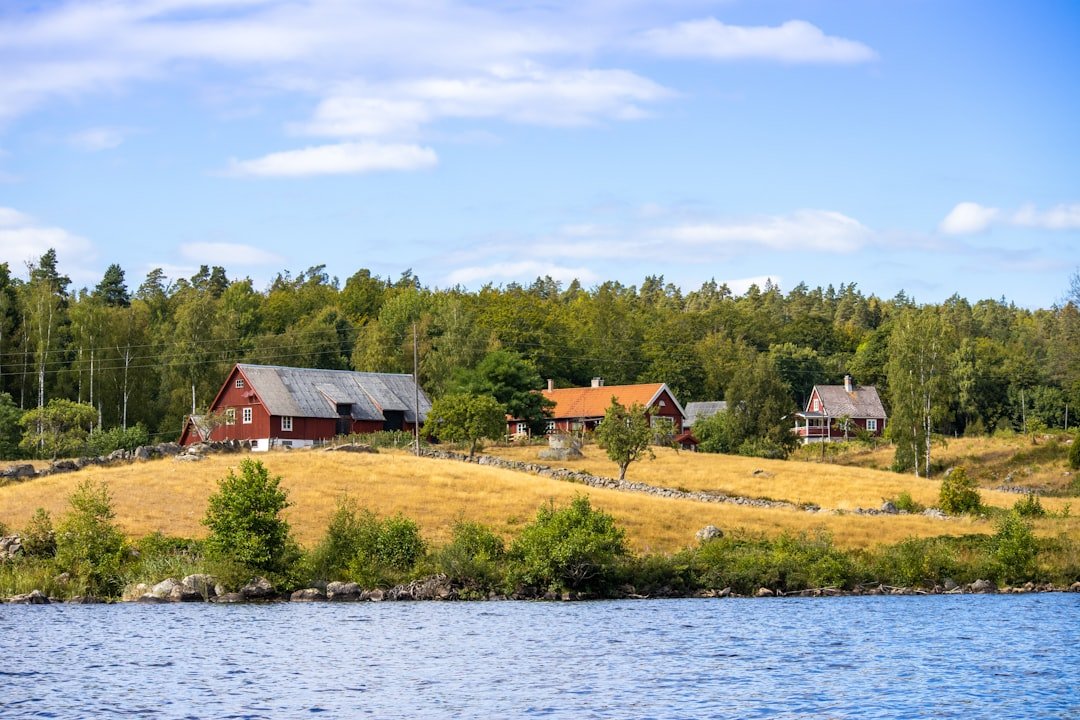
Small Swedish communities offer the most authentic Midsommar experiences, though finding and accessing them requires advance planning. Villages like TĂ€llberg in Dalarna, Mariefred near Stockholm, and Sigtuna north of the capital host intimate celebrations where foreign families become genuine participants rather than observers.
These smaller celebrations operate on personal relationships and local knowledge. Tourist information offices provide essential connections, helping foreign families understand celebration schedules and appropriate participation methods. Local bed-and-breakfast owners often serve as cultural ambassadors, facilitating introductions to community celebration organizers.
a body of water with houses along it

TĂ€llberg Village Midsummer

Traditional wooden houses overlook Lake Siljan as the entire community gathers around a modest but beautifully decorated maypole. Here, every family contributes to the celebration, from flower arrangement to traditional games organization.

The rewards of smaller celebrations include deeper cultural immersion and lasting connections. My children received invitations to return the following year, creating ongoing relationships with Swedish families. These connections provide insights into Swedish family life that tourist celebrations cannot replicate.
Language barriers dissolve during traditional games and dancing. Universal activities like three-legged races and flower crown making require minimal verbal communication. Swedish children eagerly teach foreign kids the frog dance steps, creating natural language exchange opportunities that benefit everyone involved.
As our week in Sweden concluded, Oscar asked if we could return next year for Midsommar. Not for the tourist attractions or famous sights, but for another chance to hop around the maypole at midnight in broad daylight, surrounded by flower-crowned Swedes singing songs he couldn't understand but somehow knew by heart. That's when you know you've found something authentic-when leaving feels like missing family dinner.
Tom Eriksson

Tom Eriksson

Travel Editor at Vitano Magazine
You might also enjoy

Tulip Mania: From the World's First Financial Crash to Holland's Flower Fields
Where to Go5 min

Tulip Mania: From the World's First Financial Crash to Holland's Flower Fields

In 1637, a single tulip bulb sold for more than a canal house in Amsterdam. Today, the Netherlands still commands 80% of the global flower trade, its fields painting the landscape in geometric precision each spring. This is the story of beauty, obsession, and the economics of desire.

ID
Isabelle Dubois
05/01/2026
Swedish Lapland: Dog Sledding and Aurora Under the Polar Night
Where to Go5 min

Swedish Lapland: Dog Sledding and Aurora Under the Polar Night

A week above the Arctic Circle, where the sun bows out for the polar night and the sky explodes in curtains of green. Swedish Lapland offers more than just a frozen landscape - it's a primal playground of dog sledding through silent forests, exploring the world-famous Icehotel, and immersing in Sami culture. Join me as we chase the northern lights and find warmth in the heart of the Arctic wilderness.

JC
James Chen
12/19/2025
The Curse of the Pharaohs: What Really Happened After Tutankhamun's Tomb
Where to Go3 min

The Curse of the Pharaohs: What Really Happened After Tutankhamun's Tomb

In November 1922, a team led by Howard Carter cracked open the sealed gateway to Tutankhamun’s tomb, unleashing a discovery that would captivate the world-and spark rumors of a deadly curse. Just four months later, Lord Carnarvon, the expedition’s financier, died unexpectedly. Newspapers howled “The Curse of the Pharaohs,” but was it supernatural vengeance or something far more earthly? Journey with me to Egypt’s Valley of the Kings where history, science, and legend collide beneath the desert sun.

NP
Nadia Petrova
11/08/2025