The Curse of the Pharaohs: What Really Happened After Tutankhamun's Tomb

The Curse of the Pharaohs: What Really Happened After Tutankhamun's Tomb

Nadia Petrova

Nadia Petrova

November 8, 2025

3 min read· 57 views

Opening the Forbidden Door

November 1922: Howard Carter's discovery shocks the world

On November 26, 1922, Howard Carter's candle flickered through the breach in a sealed doorway, illuminating what would become the most famous archaeological discovery of the modern era. In that moment, three millennia collapsed into dust motes dancing in the lamplight. Today, standing at the entrance to KV62 in the Valley of the Kings, visitors gaze upon the same limestone threshold where Carter first whispered his famous words: "Yes, wonderful things." The ancient Egyptian belief that death was merely a doorway to eternity had preserved Tutankhamun's treasures intact, but it also birthed a legend that would overshadow the scientific triumph with whispers of a deadly curse.

Historical Context

Tutankhamun ruled Egypt from 1332 to 1323 BCE. His tomb, discovered by Carter in 1922 after seven years of searching, was filled with over 5,000 artifacts, many intact.

Did you know?

Only 62 of the more than 400 tombs in the Valley of the Kings have been fully excavated.

Plan your trip with AI

Turn inspiration into a real itinerary. Plan day-by-day routes, find the best spots, and share with friends.

The story that captivated newspapers worldwide was this: just four months after the tomb's opening, Lord Carnarvon died in Cairo from an infected mosquito bite. The press immediately linked his death to an ancient "curse of the pharaohs," meant to punish grave robbers and protect the sanctity of the tomb. Stories of lights flickering, strange diseases, and misfortunes struck the team, fueling public paranoia. Yet peeling back sensational headlines reveals far more prosaic causes.

Mold, Microbes, and Medical Mysteries

Science unravels the myth of the curse

Imagine the tomb sealed for more than three millennia, a humid microenvironment perfect for mold spores and bacteria to thrive. When Carter's team broke the seal, they unleashed pathogens to which no one had immunity. Many members of the expedition experienced allergic reactions, respiratory issues, and infections. Modern science points to Aspergillus and other molds as culprits responsible for outbreaks of pneumonia and other illnesses that plagued some of the team.
"It was not a curse but a natural consequence of disturbing ancient tombs, filled with potentially dangerous microbes." - Dr. Ahmed El-Sayed, microbiologist, Cairo University

Scientific Fact

Some mold spores found in Tutankhamun's tomb can cause severe respiratory problems or infections if inhaled.
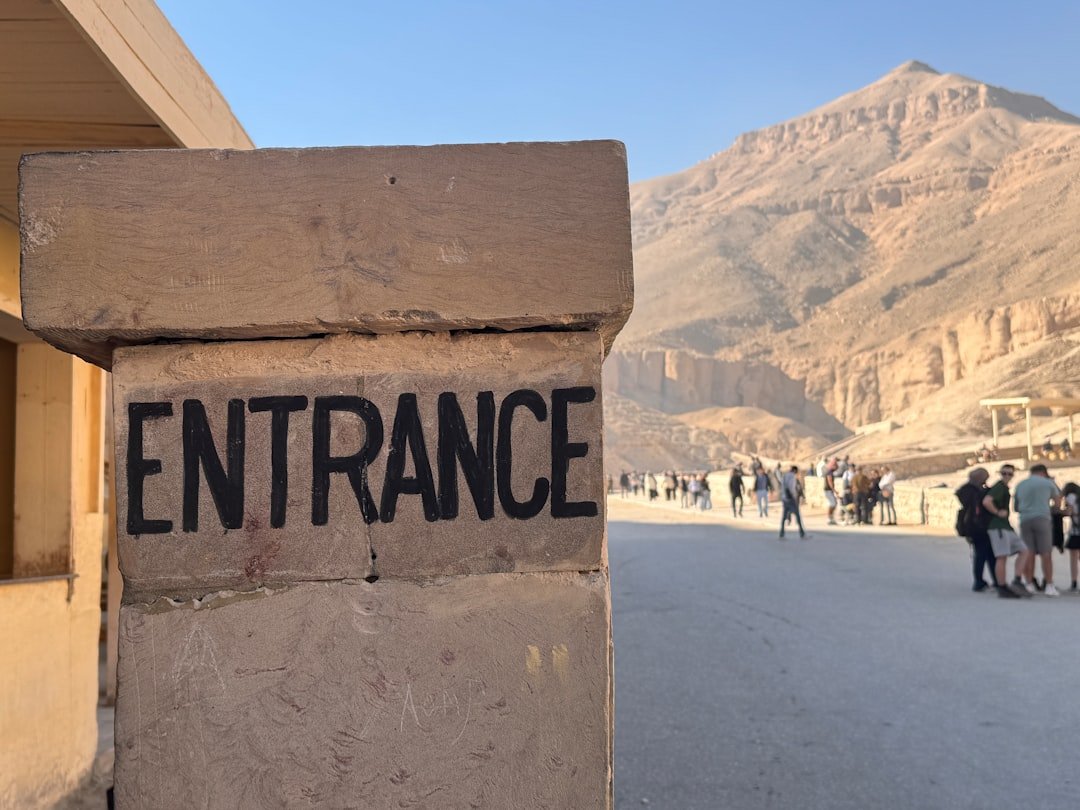
Entrance sign with people and mountains in background

The Valley of the Kings Today

Walking through the Valley of the Kings, where the tomb sits beneath rugged cliffs, the dry desert air contrasts sharply with the microclimate inside the tombs. Now protected and carefully monitored, the site balances conservation with accessibility. Modern visitors can almost feel the immense silence and time's weight pressing through the limestone walls.

DateEventSignificance
November 4, 1922Howard Carter found first step of Tutankhamun's tombStart of the excavation leading to tomb discovery
November 26, 1922Tomb chamber openedRevealed extensive artifacts and mummy chamber
April 5, 1923Lord Carnarvon diedSparked rumors of the pharaoh's curse
1924Full removal of Tutankhamun's mummyAllowed scientific study and preservation
1979Valley of the Kings designated UNESCO World Heritage siteProtects the cultural and historical value
Despite the myth, no evidence confirms a supernatural curse. Howard Carter lived until 1939, long after Carnarvon's death. The "curse" was largely a media invention exploiting the public's fascination with Egyptology and the mysterious. As a historian, I find it fascinating how swiftly myths take hold, even overshadowing facts. The story of the curse reveals as much about 1920s popular culture as it does about ancient Egypt.

Visitor Tips for the Valley of the Kings

  • 1

    Best time to visit - October to April for cooler temperatures, avoiding mid-summer heat exceeding 40°C (104°F).

  • 2

    Entry fees - Around 240 EGP (~$8) for a general ticket; additional fees apply for special tombs like Tutankhamun's.

  • 3

    Guided tours - Highly recommended to navigate the site's geography and unlock historical context; costs vary between $20-$50.

  • 4

    What to bring - Water, sun protection, comfortable shoes, and a flashlight if exploring less illuminated chambers.
During my research at the site, I encountered a team of local archaeologists meticulously cataloguing recent finds near the tomb entrances. Their enthusiasm was infectious, reminding me that the Valley of the Kings remains a place of active discovery, not just legend. Each stone and hieroglyph offers clues about Egypt's complex past, inviting us to look beyond curses and myths to the remarkable human stories beneath.
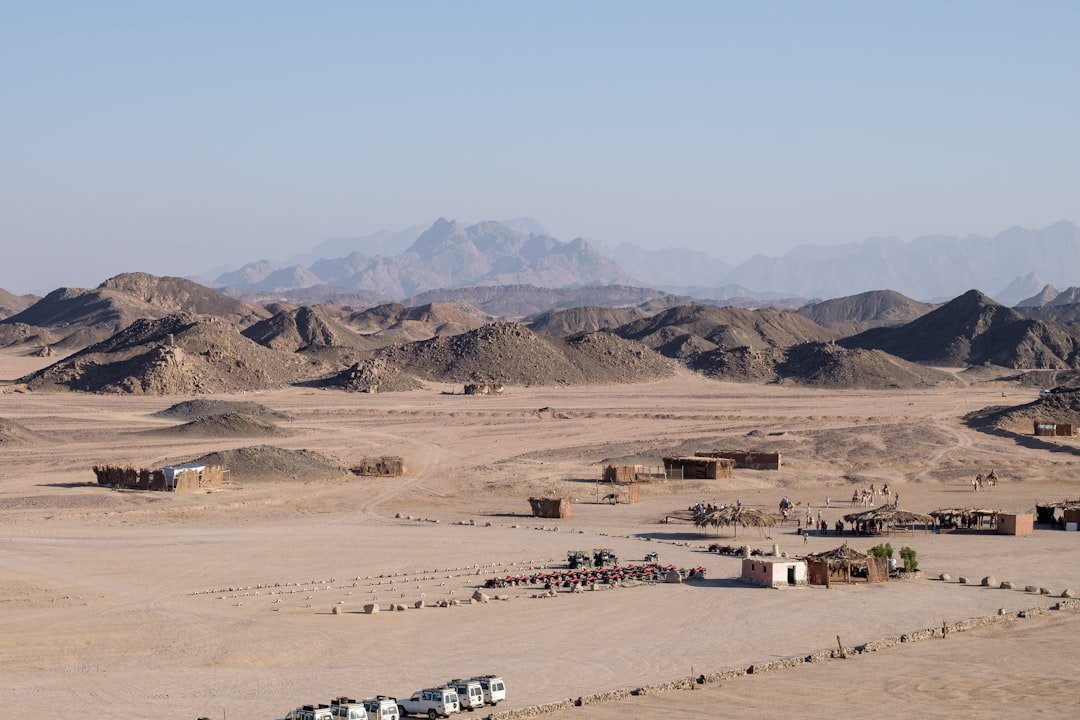
a desert with a few buildings and mountains in the background

Howard Carter's Camp by the Desert

The dusty camp where Carter and his team lived during the excavation buzzed with anticipation, exhaustion, and careful archaeological precision. Today, the area is quieter but you can sense echoes of those intense days amid the crumbling adobe ruins.

The Real Legacy

The discovery of Tutankhamun's tomb revolutionized Egyptology, inspiring generations of archaeologists and increasing global interest in ancient civilizations.

So what truly happened after Tutankhamun's tomb was opened? A stunning window into the past was flung wide open, exposing treasures, stories, and a vivid snapshot of a lost world. The curse, while a compelling tale, fades beside the enduring triumph of discovery and scientific inquiry. For travelers standing today where Carter once stood, the Valley of the Kings offers a profound connection to history and a reminder that sometimes the real mysteries lie in the interplay between myth and reality.
Nadia Petrova

Nadia Petrova

Travel Editor at Vitano Magazine