Patagonia's Torres del Paine: The W Trek Complete Guide

Patagonia's Torres del Paine: The W Trek Complete Guide

James Chen

November 5, 2025

6 min read· 60 views
Wind screams across Patagonia at 120 km/h. Your tent shakes like a paint mixer. Welcome to Torres del Paine's W Trek, where Mother Nature doesn't mess around. This 80-kilometer trail demands respect: four to five days of granite towers, glacial lakes, and weather that changes faster than your hiking socks get soaked. Fitness requirement? Solid. Gear demands? Non-negotiable. Reward factor? Off the charts.

Why the W Trek?

A quick intro to this iconic Patagonia adventure

The W Trek gets its name from the shape traced on the map by its three dramatic valleys: the ascent to the Torres del Paine base, the French Valley, and the Grey Glacier. Spread over roughly 80 kilometers, it's doable in 4 to 5 days for most fit hikers. The trail showcases Patagonia's trademark: huge sky, massive granite spires, and turquoise lakes dotted with icebergs. If you want close encounters with the Southern Patagonian Ice Field, this is it.

Did you know?

Around 25,000 hikers attempt the W Trek each season, mostly between November and March-southern hemisphere summer.

Plan your trip with AI

Turn inspiration into a real itinerary. Plan day-by-day routes, find the best spots, and share with friends.

When to Go: Navigating Patagonia's Weather Window

Timing your trek to beat the worst winds and crowds

Patagonia's weather is famously unpredictable. I've seen sun, hail, and sleet all in one afternoon. The best window to hike the W Trek is November through early March when the park's facilities are open and the days longest. December and January are peak months with warmer temps (average highs around 15°C/59°F) but also the biggest crowds. Late February into March often offers a quieter trail and still decent weather, but prepare for chilly nights dropping to 0°C (32°F).

Essential Tips for Weather

  • 1

    Pack layers - windproof and waterproof jacket is non-negotiable

  • 2

    Early starts beat afternoon winds and maximize daylight

  • 3

    Check forecasts daily via the CONAF Ranger stations or apps like Windy

The Route: Day-By-Day Breakdown

From Torres Base to Grey Glacier

I've mapped out each day for a typical 5-day itinerary. Every day is a mix of heart-pounding climbs, panoramic lung-raising viewpoints, and moments to simply stop and breathe in the vastness.

Day 1: Puerto Natales to Torres Base Camp

Getting into the park and your first night near the iconic towers
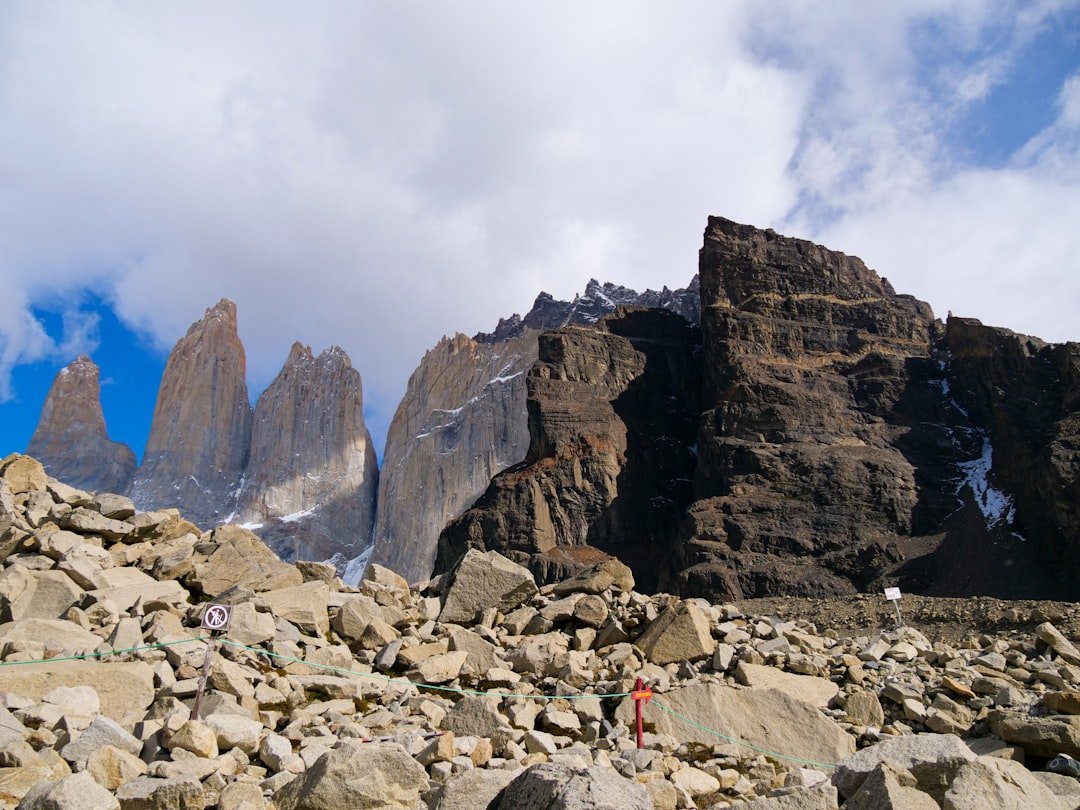
Most trekkers begin in Puerto Natales, a rugged town on the edge of the fjord. Buses run from Caletera Bus Terminal on Avenida Libertador Bernardo O'Higgins (about 20,000 CLP or ~$25 USD one way) to Torres del Paine's park entrance near Laguna Amarga. The ride takes 2.5 hours on gravel and dirt roads. From the entrance, it's roughly 18 km on foot to the Torres Base refuge or campsite. The trail winds through lenga forests and alongside the shimmering Rio Ascencio.
a man standing on top of a pile of rocks

The Ascent to Torres Base

The final 4 km is a tough, sweaty climb with a 700 m elevation gain. When you finally see the three granite towers piercing the sky, it's pure magic.

I remember stopping every few steps to catch my breath, the scent of wild thyme and fresh snow mingling in the air. Nights at the base camp are chilly (down to 2°C or lower even in summer), so bring a sleeping bag rated to at least -5°C.

Day 2: Torres Base to French Valley

Crossing into the heart of Paine's dramatic landscape
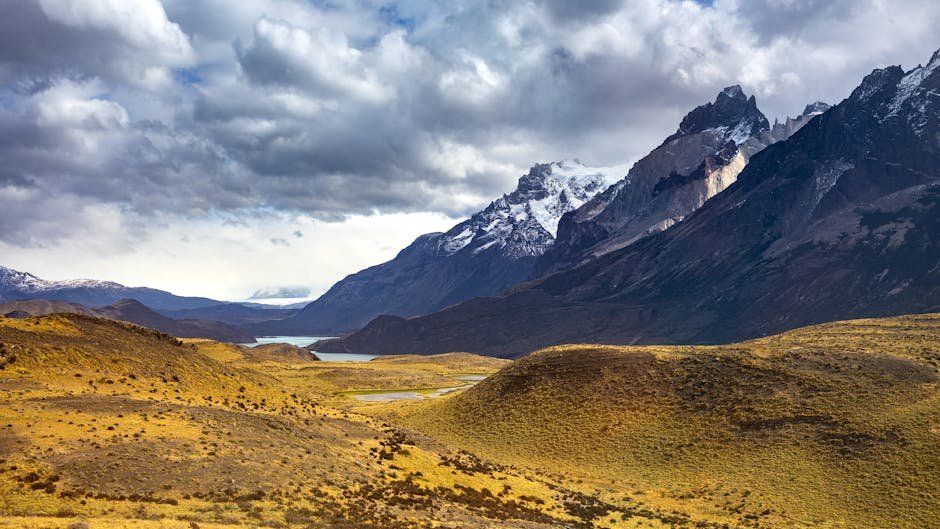
This day covers about 20 km with moderate ascents and descents. From the base, hike back toward Refugio Chileno, then on to Paine Grande by catamaran crossing Lago Pehoé (tickets roughly 8,000 CLP/~$10 USD). The French Valley trailhead begins here. The valley's steep paths wind through lenga forests before opening onto surreal craggy cirques ringed by glaciers.
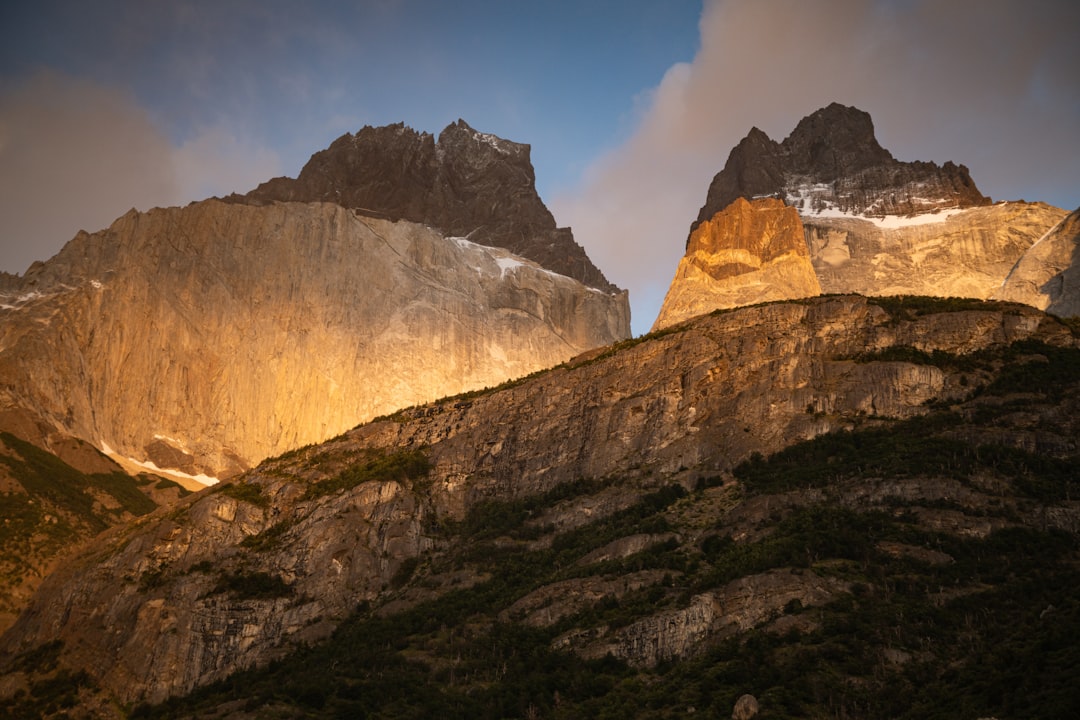
staggering view of Torres del Paine in Chile's Patagonia under dramatic skies.

French Valley Lookout

At the viewpoint, you'll be surrounded by towering glaciers and granite spires, ice cliffs groaning softly in the breeze.

I accidentally missed the main lookout once, taking a side path that led me to a small hidden lagoon. The silence was absolute save for the drip of melting ice. Keep an eye on trail markers; some detours can add unexpected kilometers.

Day 3: French Valley to Paine Grande

Descending with glacier views and lakeside camps

After soaking in the French Valley's drama, day three sees a gradual descent to Paine Grande refuge. The trail skirts turquoise Lago Nordenskjöld and passes through wind-blasted shrubland. Paine Grande is a hub with a well-equipped refuge and campsites, one of the best spots to refuel, with meals like the hearty Patagonian lamb stew costing about 10,000 CLP (~$13 USD).

Good to Know

Reservations for refugios here must be made months in advance, especially in peak season. Camping without a permit is prohibited, and camping stoves are only allowed in designated areas.

Day 4: Paine Grande to Grey Glacier

Eye-level with giants: icebergs and glaciers
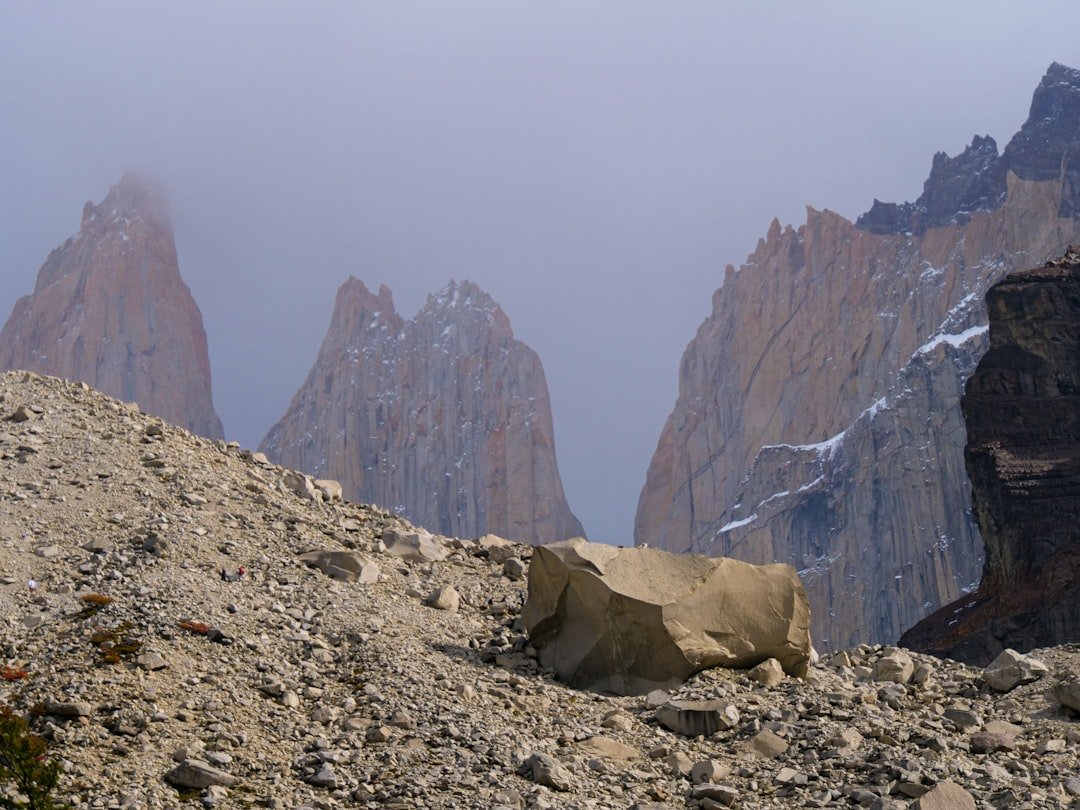
The final leg is roughly 11 km to the Grey Glacier lookout. The trail is relatively flat but exposed to fierce winds off the Southern Ice Field. You'll cross wooden bridges over rushing streams and encounter icebergs floating in Lago Grey, their deep blue hues mesmerizing under the shifting light.
a mountain range with a rock formation in the foreground

Grey Glacier Icebergs

Watching the glacier calve is hypnotic-the crack, the thunder, a chunk breaking loose and splashing into the lake.

If you have the energy, consider a boat ride on Lago Grey to get closer to the glacier's face. Tickets cost around 15,000 CLP (~$20 USD). I've done both hike and boat; both offer unique perspectives of this ancient ice titans.

Day 5: Return to Puerto Natales

Buses, backroads, and reflections

From Grey Glacier, you can catch a catamaran and bus back to Puerto Natales, or retrace your steps on foot if you have time and energy. The bus ride is about 2.5–3 hours and costs roughly 20,000 CLP (~$25 USD). Back in town, I recommend the Mesita Grande restaurant on Rómulo Correa street. Try their king crab pastel de jaiba for a local seafood fix.

Refugios vs Camping: What's Right For You?

Weighing comfort, cost, and experience

Pros
  • Refugios provide meals, beds, and shelter from Patagonia's brutal weather
  • Camping immerses you fully in the wilderness and is more budget-friendly (~$15–20 USD per night vs $70–150 USD in refugios)
  • Camping gear means more weight but greater flexibility
Cons
  • Refugios fill up fast, requiring advance booking
  • Camping stoves and permits required, and harsh winds can make campsite setup tricky
  • Refugios often have limited hot water and crowded dorms
AspectRefugiosCamping
Cost per night$70–150 USD$15–25 USD (permit fee + campsite)
ComfortBeds, meals, shelterTent, bring your own food and stove
BookingBook several months aheadPermits required, easier to get last minute
Gear neededLight daypackFull backpacking kit, stove
Weather protectionGoodDepends on tent and setup

What to Pack: Gear List for the W Trek

Carry smart, stay safe

Your gear list can make or break this trek. I've learned the hard way that a high-quality windbreaker and waterproof boots are essential. Here's my recommended kit:

Essential W Trek Gear

  • 1

    Layered clothing - Merino wool base layers, fleece mid-layers, windproof shell

  • 2

    Waterproof hiking boots with good ankle support

  • 3

    Daypack (20–30L) with rain cover

  • 4

    Sleeping bag rated to -5°C (if camping)

  • 5

    Water bottle + purification tablets - streams are plentiful but treat the water

  • 6

    Trekking poles - helpful on rocky descents and steep ascents

  • 7

    Headlamp - nights get dark, and some refugios have limited lighting

  • 8

    Sun protection - SPF 50+, sunglasses (UV is fierce even on cloudy days)

  • 9

    Basic first aid kit - blister pads, painkillers, antiseptic

  • 10

    Snacks - energy bars, dried fruit, nuts for trail fuel

Safety Considerations

Always inform park authorities or refugio staff of your plans. Weather can change rapidly; carry a map and compass or GPS. Cell coverage is patchy. Respect wildlife by maintaining distance - pumas inhabit the park, though sightings are rare.

Getting There & Around

Logistics from Puerto Natales to the trailhead and beyond
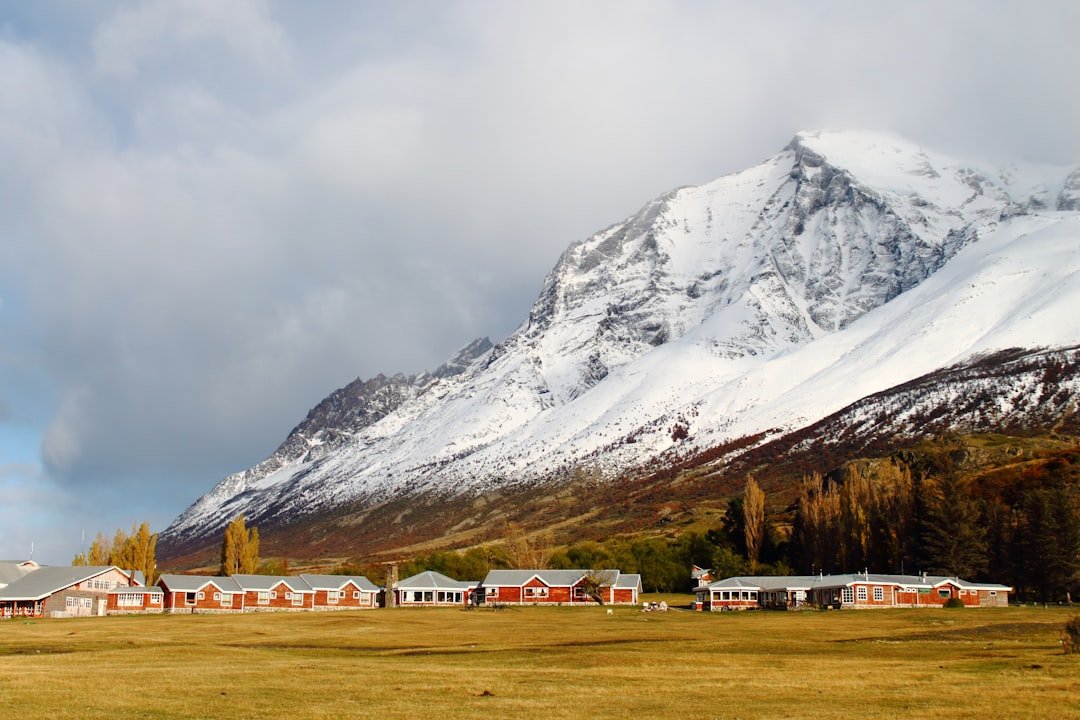
Puerto Natales is the main gateway town, served by buses from Punta Arenas (about 3 hours, 15,000 CLP/$20 USD). It's a dusty, friendly outpost with cozy cafes and gear shops. Buses to Torres del Paine depart from the Caletera Bus Terminal on Avenida Libertador Bernardo O'Higgins. Booking your bus tickets in advance during peak season is wise (try Bus Sur or Buses Gomez).
a group of buildings in front of a mountain

Puerto Natales Hub

A base camp for adventurers, with colorful buildings, hearty meals, and the smell of fresh-baked empanadas wafting through the air.

If flying in, Punta Arenas International Airport (PUQ) is the closest major airport, about a 3-hour bus ride south of Puerto Natales. Flights from Santiago cost around 80,000 CLP (~$100 USD) one way if booked early.

Final Thoughts: Why You Should Hike the W Trek

More than a hike, it's a wild story

The W Trek isn't just about physical challenge. It's a communion with a land both brutal and stunning. I recall a night camping by Lago Pehoé, stars spilling in the sky like spilled salt. The wind whispered stories older than the granite towers themselves. Whether you seek adrenaline, solitude, or a bucket-list tick, Torres del Paine delivers. It's a wild, relentless place that humbles and invigorates in equal measure.
Strap on your boots. Test your limits. And when you stand beneath those three granite spires, know you're part of a timeless dance with Patagonia's wild heart.

James Chen

Travel Editor at Vitano Magazine
You might also enjoy

Tulip Mania: From the World's First Financial Crash to Holland's Flower Fields
Where to Go5 min

Tulip Mania: From the World's First Financial Crash to Holland's Flower Fields

In 1637, a single tulip bulb sold for more than a canal house in Amsterdam. Today, the Netherlands still commands 80% of the global flower trade, its fields painting the landscape in geometric precision each spring. This is the story of beauty, obsession, and the economics of desire.

ID
Isabelle Dubois
05/01/2026
Swedish Lapland: Dog Sledding and Aurora Under the Polar Night
Where to Go5 min

Swedish Lapland: Dog Sledding and Aurora Under the Polar Night

A week above the Arctic Circle, where the sun bows out for the polar night and the sky explodes in curtains of green. Swedish Lapland offers more than just a frozen landscape - it's a primal playground of dog sledding through silent forests, exploring the world-famous Icehotel, and immersing in Sami culture. Join me as we chase the northern lights and find warmth in the heart of the Arctic wilderness.

JC
James Chen
12/19/2025
The Curse of the Pharaohs: What Really Happened After Tutankhamun's Tomb
Where to Go3 min

The Curse of the Pharaohs: What Really Happened After Tutankhamun's Tomb

In November 1922, a team led by Howard Carter cracked open the sealed gateway to Tutankhamun’s tomb, unleashing a discovery that would captivate the world-and spark rumors of a deadly curse. Just four months later, Lord Carnarvon, the expedition’s financier, died unexpectedly. Newspapers howled “The Curse of the Pharaohs,” but was it supernatural vengeance or something far more earthly? Journey with me to Egypt’s Valley of the Kings where history, science, and legend collide beneath the desert sun.

NP
Nadia Petrova
11/08/2025