Kilimanjaro: How to Choose the Right Route and Actually Enjoy It

Kilimanjaro: How to Choose the Right Route and Actually Enjoy It

Amara Okafor

January 14, 2025

4 min read· 68 views
"Kilimanjaro breathes," whispered Mama Esther, her weathered hands wrapping around a steaming cup of chai as we sat outside her small shop in Marangu village. The mountain loomed before us, its peak lost in afternoon clouds that shifted like living curtains. I had come seeking routes and logistics, but found myself drawn into something deeper. The air hummed with the distant sound of matatus rumbling along dusty roads, and every conversation seemed to circle back to the mountain, as if it were the village's heartbeat made visible.

Seven Routes, Seven Stories

Which path will you walk?
Kilimanjaro offers seven major trekking routes, each with its personality and pulse. Machame, often called the 'Whiskey Route,' lures adventurers seeking a steep but scenic challenge. Lemosho, a favorite among those who crave pristine forests and longer acclimatization, whispers quieter tales from the western flank. The Northern Circuit, the longest, loops completely around the mountain, granting solitude and a sense of vastness that feels like trekking the edge of the world. Then there are Marangu, Rongai, Shira, and Umbwe, each carving different paths through jungle, moorland, and rocky ridges.
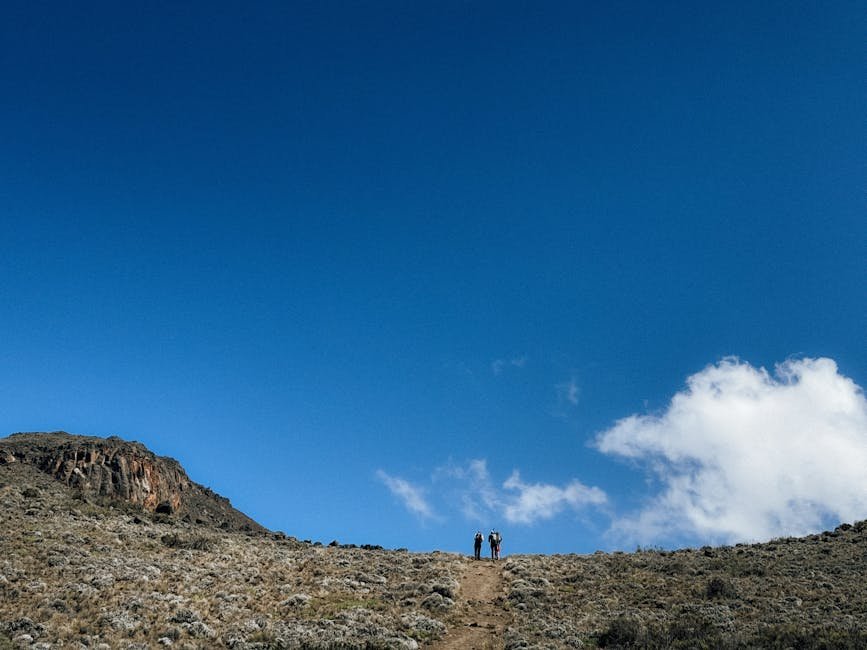
Two hikers climb a rocky path under a vast blue sky near Mount Kilimanjaro, Tanzania.

Machame Route

The Machame trail winds steeply up through lush rainforest, alive with bird calls and the rustling of colobus monkeys overhead. I recall one morning mist so thick it felt like walking inside a cloud; a damp embrace with every step.

Plan your trip with AI

Turn inspiration into a real itinerary. Plan day-by-day routes, find the best spots, and share with friends.
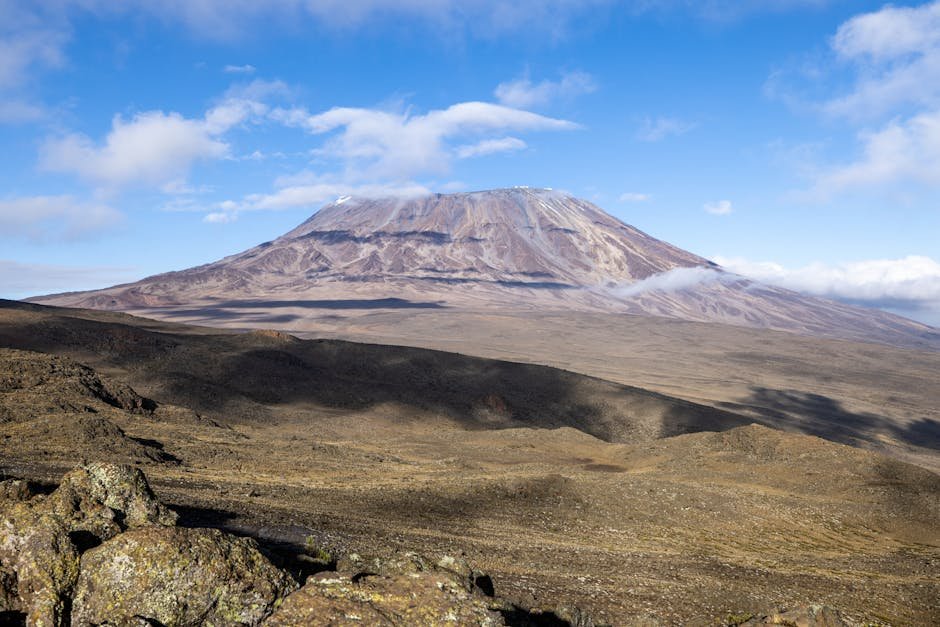
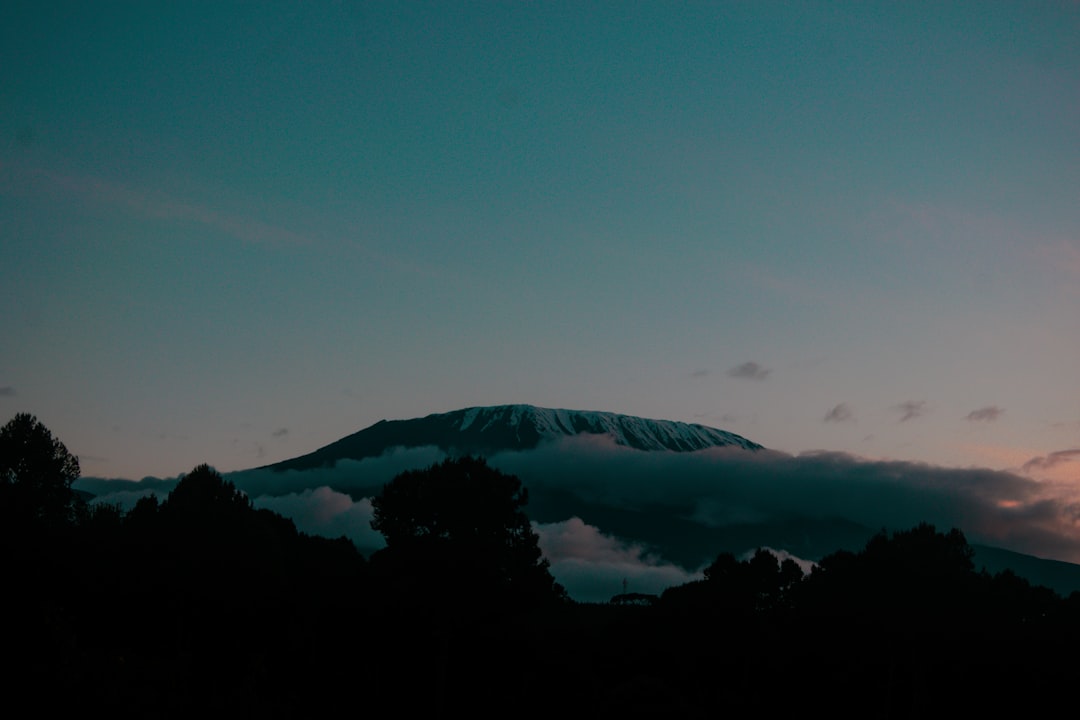
staggering view of Mount Kilimanjaro under a clear blue sky, perfect for travel and adventure enthusiasts.

Lemosho Route

Starting from the west, Lemosho offers expansive landscapes and an easier pace to breathe. Here, nightfall reveals constellations so bright they seem to spill like glitter across the sky. An impeccable antidote to the day's physical strain.
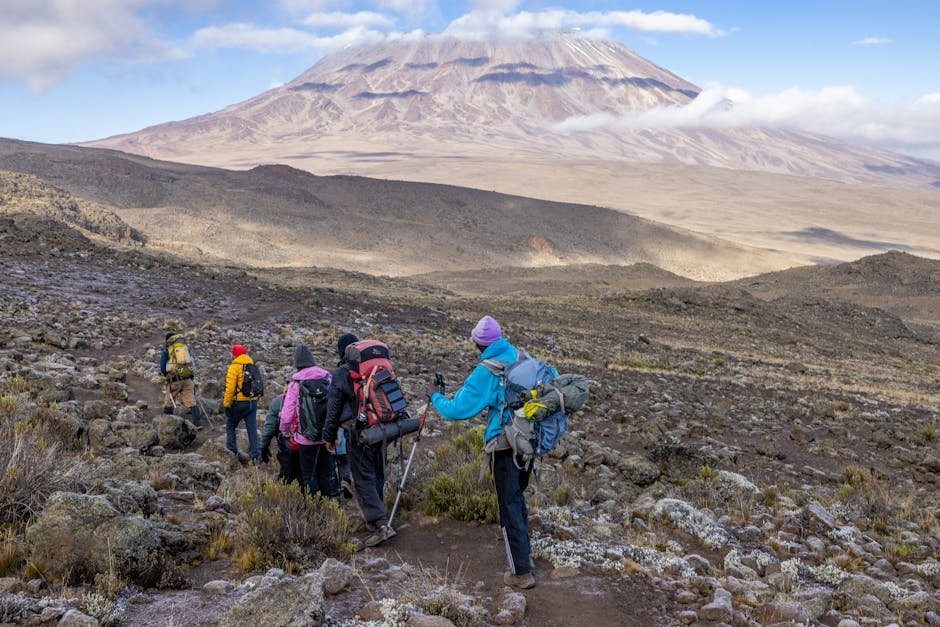
Hikers exploring the rugged trails of Mount Kilimanjaro, Tanzania, surrounded by stunning vistas.

Northern Circuit

Longer and less trodden, the Northern Circuit sketches a near-complete circle around Kilimanjaro. Fewer trekkers mean a profound quiet, punctuated only by the crunch of boots on gravel and the distant call of hawks above.

The Dance of Acclimatization

Tricks to help your body find rhythm

Altitude sickness is the mountain's subtle warning, a whisper in throbbing temples or a twist in the stomach. I learned quickly that rushing Kilimanjaro is like trying to sprint through a poem. Patience allows your body to learn the language of oxygen-thin air. Routes like Lemosho and Northern Circuit offer longer ascent days and built-in rest, which dramatically improve your chances of reaching Uhuru Peak without the worst headaches or nausea.

Did you know?

Approximately 30% of climbers on Kilimanjaro experience some form of altitude sickness, making acclimatization strategy crucial for a successful summit.

Essential Tips for Acclimatizing

  • 1

    Ascend slowly - choose routes with 7+ days to allow your body to adjust.

  • 2

    Stay hydrated - aim for 3-4 liters of water daily to ease symptoms.

  • 3

    Listen to your body - don't push through severe headaches or dizziness.

Porters: The Unsung Heroes

What they really carry, and what you should

On one of my first treks, I mistakenly overpacked, imagining myself a self-sufficient explorer. My guide gently laughed, explaining that porters are not just carriers, but expert navigators and cultural liaisons. By Tanzanian law, porters are limited to 20 kilograms each. They typically shoulder tents, cooking gear, and communal food supplies, while we carry essentials like water, snacks, and a change of clothes. It's respectful (and wise) to pack light, as you'll appreciate the rhythm of walking unburdened.

Good to Know

Porters earn roughly 30,000–40,000 Tanzanian shillings (~$13–18 USD) per day, plus tips. Supporting fair wages is an important part of ethical trekking.

Counting the Costs

Budgeting your Kilimanjaro trek

RouteTypical DurationApproximate Cost (USD)Difficulty
Machame6-7 days$1,800 - $2,500Moderate to Strenuous
Lemosho7-8 days$2,200 - $3,000Moderate
Northern Circuit8-9 days$2,500 - $3,200Moderate
Marangu5-6 days$1,500 - $2,000Easiest
Rongai6-7 days$1,800 - $2,400Moderate
Shira7 days$2,000 - $2,700Moderate to Strenuous
Umbwe5-6 days$1,900 - $2,600Strenuous
Prices include park fees, guide and porter wages, food, and camping gear rental. Booking via reputable Tanzanian operators in Moshi or Arusha (like Kibo Guides or Zulu Trails) ensures transparency and local support. Seasonal factors influence price and trail condition: January to March and June to October are drier months, ideal for trekking.

Summit Night: Reality Check

What it feels like to stand on Africa's roof

The summit night is a test of grit and soul. At around 11 pm, when the world is draped in darkness and silence, we stagger upwards in single file, headlamps at the ready. The cold bites; minus 10 degrees Celsius is no exaggeration. The air thins so much that every breath feels like a gulp of icy fire. I remember the crunch of boots on frost-hardened scree, the occasional whispered encouragements, the ache in my legs turning to numbness. Reaching Uhuru Peak at sunrise, watching the sun spill gold over the vast plains, was a moment so surreal my eyes filled with tears, not just from exhaustion, but from the pure, raw beauty of standing on top of the world.

Summit Night Survival Tips

  • 1

    Dress in layers - temperatures can swing violently; thermal base layers, insulated jackets, and waterproof shells are essential.

  • 2

    Use trekking poles - they ease pressure on knees and improve stability on loose scree.

  • 3

    Eat small snacks - energy gels, nuts, and chocolate keep you fueled during the long ascent.

Descending after the summit often feels like a different journey. Gritty knees give way to exhilaration, and the mountain reveals new colors as the sun climbs higher. On routes like Marangu, busy with crowds, the descent can be noisy, but on quieter trails like the Northern Circuit, the solitude lets you reflect deeply on your triumph.
Kilimanjaro International Airport (JRO)
4.2

Main gateway to Kilimanjaro region with frequent connections from Nairobi and Dar es Salaam.

$$ · transportation cost variesMoshi-Arusha Road, Tanzania
Zulu Trails Tanzania
4.9

Reputable trekking company based in Moshi offering all major routes with ethical porter treatment.

$$$ · packages from $1,800Moshi, Tanzania
Tanzanite Coffee House
4.5

Cozy spot in Moshi serving local coffee and Tanzanian dishes like Ugali and Nyama Choma.

$ · meals around 5,000 TZSSokoine Street, Moshi
To stand on Kilimanjaro's summit is to feel the pulse of a continent beneath your feet. It's a journey that demands respect for the mountain and yourself; a dance between struggle and grace. Choosing the right route isn't just a logistical decision. It's a commitment to how you want to live these days of climbing. So pack lightly, breathe deeply, and let the mountain teach you its ancient rhythms.

Amara Okafor

Travel Editor at Vitano Magazine
You might also enjoy

Via Ferrata in the Dolomites: A Beginner's Guide to Iron Paths
Adventure4 min

Via Ferrata in the Dolomites: A Beginner's Guide to Iron Paths

At 2,500 meters above sea level, clipped into steel cables with nothing but a harness and your wits between you and a steep drop, the Dolomites’ via ferrata roads offer a raw, exhilarating taste of alpine adventure. Whether you're a first-timer or a hardened climber, navigating these iron paths rewards you with vertigo-inducing views, adrenaline jolts, and an unforgettable connection to the mountains. I’ve done 12 via ferratas here; this guide cuts through the hype with real-world insights on the best routes, gear rentals, rifugio stays, and what to expect when you sign on for your first climb.

MB
Marcus Berg
08/11/2026
The Geology of Iceland: Walking on a Planet Being Born
Adventure3 min

The Geology of Iceland: Walking on a Planet Being Born

Iceland is one of the rare places on Earth where you can quite literally walk on a planet being born. Positioned on the Mid-Atlantic Ridge, this island nation embodies both the violent and the beautiful forces that shape our world. From erupting volcanoes to steaming geysers and vast black sand beaches, Iceland offers a geology field trip like no other. Join me as we traverse Þingvellir, Mývatn, and Fagradalsfjall - sites where history and science unfold beneath your feet.

NP
Nadia Petrova
07/28/2026
Humboldt in the Andes: The Scientist Who Invented Nature
Adventure4 min

Humboldt in the Andes: The Scientist Who Invented Nature

In 1802, Alexander von Humboldt stepped onto the slopes of Chimborazo, then believed to be the highest mountain on Earth. At a time when nature’s workings were a puzzle, Humboldt’s ascent was not merely a feat of endurance but a breakthrough in how humans understood the interconnectedness of the natural world. Join me as I retrace his steps through Ecuador and Peru, where altitude, plants, temperature, and geology narrate a story he first sketched in his notebooks.

NP
Nadia Petrova
07/07/2026