Germany's Christmas Markets: A Thousand Years of Glühwein and Gingerbread
Marcus Berg
November 22, 2026
7 min read· 30 views
Dresden's Striezelmarkt has operated continuously since 1434. That's 590 years of selling the same product-Glühwein, gingerbread, and wooden toys-in the same location. The financial model works: average visitor spends EUR 47 per visit, stays 2.3 hours, returns 1.7 times per season.
I've visited 47 German Christmas markets over eight seasons. The price variations are staggering. Glühwein ranges from EUR 2.50 in Goslar to EUR 7 at Munich's Marienplatz. The mug deposit alone tells the story: EUR 2 for standard ceramic, EUR 5 for commemorative designs, EUR 12 for limited editions that locals never buy.
The Big Three: Where Tourist Euros Flow
Dresden, Nuremberg, and Cologne dominate visitor numbers-and prices
Dresden's Striezelmarkt claims the oldest title, though historians debate whether Leipzig's market predates it by a decade. The distinction matters for marketing, not authenticity. What's undebatable: Dresden attracts 2.5 million visitors annually to a market spanning just 0.8 hectares. Population density: worse than Tokyo rush hour.
Plan your trip with AI
Turn inspiration into a real itinerary. Plan day-by-day routes, find the best spots, and share with friends.
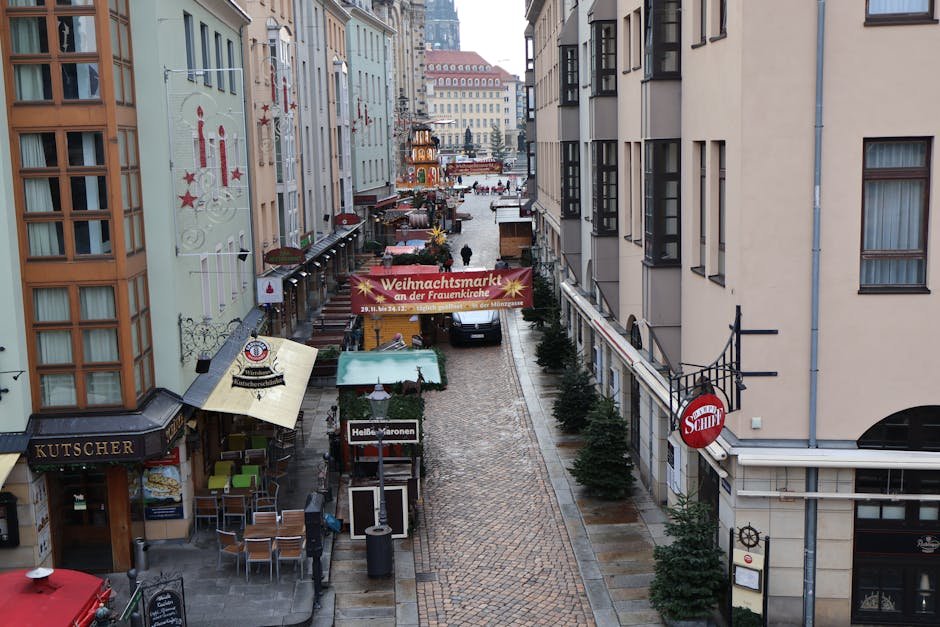
Germany's oldest Christmas market operates in the shadow of the reconstructed Frauenkirche, where 180 vendors compete for space that's been commercially valuable since the Holy Roman Empire.
Nuremberg's Christkindlesmarkt opens each year when the golden angel appears on the Hauptkirche balcony. The ceremony draws 50,000 spectators for a 3-minute speech. Tourism economics at work: the angel role rotates every two years among local women aged 16-19, generating media coverage worth an estimated EUR 2.3 million annually.
Cookie Math
Nuremberg produces 300 million Lebkuchen annually-enough to give every German citizen 3.6 cookies
The Lebkuchen monopoly runs deep. Nuremberg's protected geographical designation means only cookies baked within city limits can carry the Nürnberger label. Similar protection exists for Champagne and Parmigiano-Reggiano. The price premium: 40% over generic gingerbread from neighboring Bavaria.
Cologne's market spreads across seven locations, but the cathedral square gets the crowds. Standing beneath the gothic spires while sipping mulled wine sounds romantic until you calculate the real estate cost: EUR 450 per square meter for a 10-day booth rental. Vendors need to sell 1,800 cups of Glühwein just to cover rent.
Market
Founded
Annual Visitors
Glühwein Price
Booth Rental (10 days)
Dresden Striezelmarkt
1434
2.5 million
EUR 4.00
EUR 3,200
Nuremberg Christkindlesmarkt
1628
2.3 million
EUR 4.50
EUR 3,800
Cologne Cathedral Market
1967
4.1 million
EUR 5.00
EUR 4,500
Munich Marienplatz
1972
3.2 million
EUR 7.00
EUR 6,200
Budget Breakdown: What Everything Actually Costs
Real prices from my 2024 market tour
Glühwein: EUR 4 average, EUR 2 mug deposit. Bratwurst: EUR 3.50-5.50 depending on location. Gebrannte Mandeln (roasted almonds): EUR 4 per 100g bag. Handmade wooden ornament: EUR 12-25. Mass-produced plastic ornament: EUR 3-8. Lebkuchen heart with personal message: EUR 6-12 based on size.
Money-Saving Strategies
1
Return the mug - Most tourists keep them as souvenirs, but the EUR 2-5 deposit adds up across multiple markets
2
Eat before arriving - Market food costs 3x regular restaurant prices. Fill up at a nearby bakery or döner shop
3
Buy ornaments in October - Same vendors sell identical items at autumn festivals for 30-40% less
4
Visit weekday mornings - Some vendors offer EUR 0.50 discounts before 11 AM to attract early customers
5
Skip the famous markets - Smaller cities offer identical products for half the price
The tourist trap indicators are obvious once you know them. Any booth selling mulled wine for over EUR 5 targets foreign visitors. Vendors who don't speak German with locals but switch to English for tourists charge premium prices. Hand-carved wooden items made in China sell for the same price as genuine Erzgebirge crafts-check the tiny 'Made in' stickers.
The Hidden Economics of Christmas Spirit
How medieval traditions became modern money machines
Christmas markets began as practical winter trade fairs. Medieval guilds needed to sell inventory before year-end, buyers needed supplies for the long winter. The religious blessing provided legal protection-church-sanctioned commerce couldn't be taxed by competing lords.
“
The Christmas market is not about Christmas. It's about commerce wrapped in tradition, and tradition wrapped in commerce. Both are equally authentic.
Modern markets generate EUR 5 billion annually across Germany. Munich's six markets alone employ 2,400 seasonal workers, process 4.2 million liters of Glühwein, and generate EUR 180 million in local economic impact. The multiplier effect is real: every EUR spent at markets generates EUR 1.7 in additional local business.
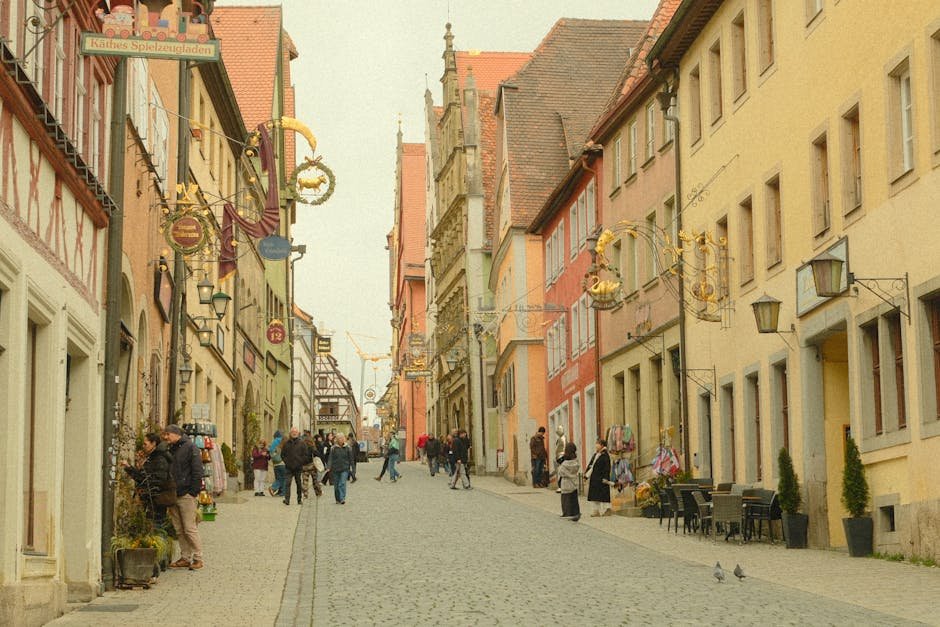
Rothenburg ob der Tauber operates the ultimate Christmas monetization scheme. Käthe Wohlfahrt's flagship store sells Christmas ornaments 365 days per year in a medieval town that looks like a movie set. Annual revenue: EUR 15 million from tourists seeking 'authentic' German Christmas items manufactured in Thailand and China.
Rothenburg ob der Tauber
The medieval town maintains its Christmas market atmosphere year-round, with Käthe Wohlfahrt's four-story Christmas store serving as the anchor attraction for 2.5 million annual visitors.
The Better Markets: Where Germans Actually Go
Smaller cities, better prices, fewer crowds
Goslar's market operates in the UNESCO World Heritage old town. Glühwein costs EUR 2.50, parking is free, and the medieval backdrop rivals anywhere in Germany. The catch: only 47 vendors compared to Dresden's 180. The advantage: you can actually move between stalls without queuing.
Tours & ticketsGetYourGuide
Tours, entry tickets and day trips
Erfurt's market fills the cathedral square between two massive gothic churches. The optical illusion makes it look like one enormous building until you walk between them. Local prices: bratwurst EUR 3, Thüringer Rostbratwurst (the regional specialty) EUR 3.50, and genuinely handmade pottery from local artisans.
Goslar Christmas Market
4.6
UNESCO town setting, authentic medieval atmosphere, local prices
Esslingen's medieval market requires vendors to wear period costumes and sell only historically appropriate items. No plastic, no modern materials, no electric lights after dark. The commitment is absolute: vendors learn medieval crafts, speak in period dialect, and accept only cash. Entry costs EUR 4, but the experience justifies the fee.
The authenticity question matters less than the price question. Esslingen's 'medieval' Glühwein costs EUR 5.50-same as modern markets charging for atmosphere. The wooden cups are genuine medieval replicas, but the wine is standard German Glühwein heated in electric pots hidden behind period-appropriate facades.
Regional Specialties Worth the Premium
Local foods that justify higher prices
Aachen's Printen cookies exist nowhere else. The recipe includes 17 spices, requires 6 weeks aging, and tastes nothing like standard Lebkuchen. Price: EUR 8 per 200g box. Worth it: absolutely. The texture improves with age-locals buy them in October for December consumption.
Saxony's Stollen requires specific proportions: 60% flour, 20% butter, 10% almonds, 5% candied fruit, 5% raisins. Dresden bakers guard their yeast cultures like sourdough starters-some date to the 1800s. A 2kg Stollen costs EUR 25-40, but authentic versions improve for months when stored properly.
Cake Math
Dresden's official Stollen Festival features a 3-meter-long cake that feeds 24,000 people
Feuerzangenbowle appears at markets across Germany but originates in student taverns near universities. The sugar loaf dissolves slowly, creating alcohol content that varies from 8% to 15% depending on how long it burns. Smart vendors serve it in smaller cups and charge EUR 6-8 instead of standard Glühwein prices.
Alcohol Alert
Feuerzangenbowle contains significantly more alcohol than Glühwein. German police increase DUI checkpoints near Christmas markets, especially on weekends. Public transport or designated drivers are essential.
Timing Your Visit: When Crowds Thin and Prices Drop
Strategic scheduling saves money and sanity
Markets open between November 25-30 depending on when Advent begins. The first weekend draws locals excited for the season's start. Avoid it. The second weekend brings regional tourists. Also avoid. Weekdays between December 1-15 offer the sweet spot: full vendor selection, manageable crowds, regular prices.
December 23 creates the year's worst crowds as Germans make final gift purchases. December 24 is dead-most markets close by 2 PM. December 26-30 brings tourists with Christmas money and vendors with leftover inventory. Prices drop 20-30% on perishable items, but selection shrinks daily.
Pros
Authentic 1,000-year tradition with genuine historical roots
Consistent quality-standards maintained across centuries
Regional specialties unavailable anywhere else
Efficient transportation links between major markets
Family-friendly atmosphere with activities for all ages
Cons
Massive crowds at famous markets, especially weekends
Tourist pricing at popular locations-often double local rates
Weather dependency-rain ruins the outdoor experience
Weather impacts everything. Rain reduces attendance by 60% but doesn't lower prices-vendors still pay full booth rental. Snow increases attendance by 40% and allows premium pricing for 'magical winter wonderland' atmosphere. Check forecasts before booking accommodation.
The Christmas market circuit exists: Deutsche Bahn offers special holiday passes connecting major markets. EUR 89 for 7 days of unlimited regional transport, valid December 1-31. The math works if you visit four or more cities, but factor in accommodation costs-hotel prices triple during peak market season.
The Verdict: Tourist Trap or Cultural Experience?
Both, depending on your approach
German Christmas markets are simultaneously authentic cultural experiences and calculated tourist traps. The traditions are real, the crafts are often genuine, the atmosphere is exactly what marketing promises. The prices are also inflated, the crowds are overwhelming, and the commercialization is complete.
Budget travelers can navigate successfully with planning. Skip Dresden, Nuremberg, and Munich unless you're specifically studying Christmas market economics. Choose Goslar, Erfurt, or Bamberg for 70% of the experience at 50% of the cost. Visit weekday mornings when possible. Eat before arriving. Return the mugs.
The 1,000-year tradition continues because it works. Vendors make annual income in six weeks. Cities generate massive tourism revenue. Visitors get Instagram photos and cultural experiences. Everyone profits from nostalgia and mulled wine-a business model that's survived medieval guilds, world wars, and Amazon.
Whether that's worth EUR 47 per visit depends on your budget priorities. I've spent EUR 2,100 across eight seasons studying German Christmas markets. The research was worthwhile, but I wouldn't repeat it on vacation money.