Transylvania Beyond Dracula: Romania's Wild Heart

Transylvania Beyond Dracula: Romania's Wild Heart

Nadia Petrova

Nadia Petrova

September 10, 2025

4 min read· 75 views
In 1453, when the walls finally fell to Ottoman siege engines, Saxon settlers in distant Transylvania were already centuries deep into their own fortress-building project. Not grand castles for nobility, but something far more practical: churches that doubled as community strongholds. Today, as you navigate the narrow country roads near Viscri, a village in southern Transylvania, you can still see their handiwork. Horse-drawn carts pass beneath the stone walls of fortified churches, and locals tend their gardens as if time moves to its own deliberate rhythm. Here, in these quiet lanes, the authentic heartbeat of rural Romania reveals itself through Saxon fortified churches standing sentinel over a landscape where the past lives within the present.

Saxon Fortified Churches: Stone Guardians of History

More than castles, these churches were fortresses protecting communities from invaders.
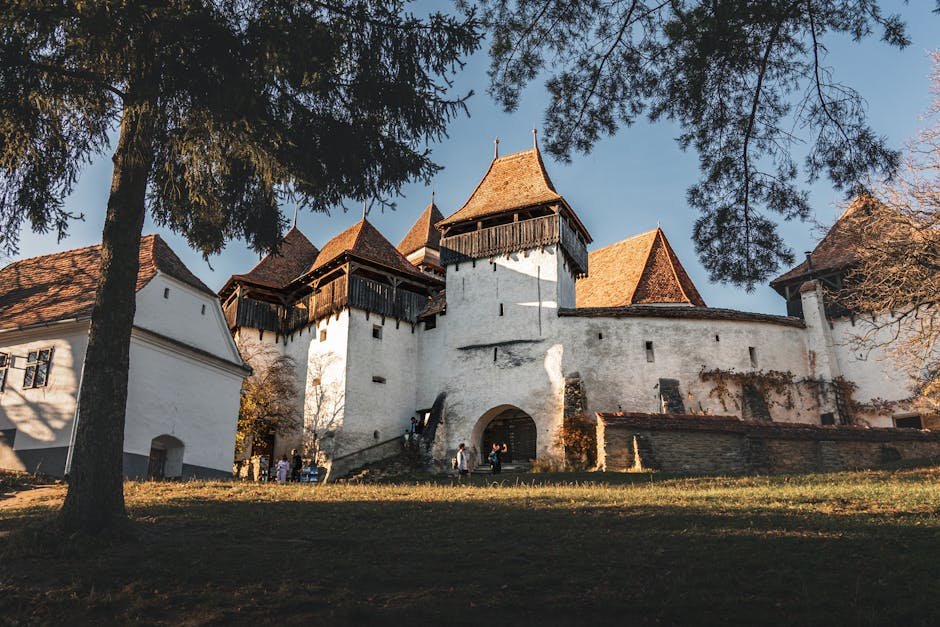
Over 150 of these fortified churches pepper Transylvania's landscape, proof of the German-speaking Saxons who settled here from the 12th century onwards. Unlike the ornate castles tourists often flock to, these churches were practical defensive structures. The one in Biertan (address: Strada Principală 53, 557065 Biertan, Sibiu) is a marvel to explore, with multiple defensive walls, secret chambers, and a haunting collection of wooden door locks engineered to confuse attackers.
Historic fortified church surrounded by rural landscape at sunset in Romania, showcasing traditional architecture.

Biertan Fortified Church

A UNESCO World Heritage Site, Biertan's church is a living museum of medieval ingenuity, still echoing with whispered prayers and the creak of ancient wood.

Plan your trip with AI

Turn inspiration into a real itinerary. Plan day-by-day routes, find the best spots, and share with friends.

Good to Know

Most Saxon churches are open from 9AM to 5PM, and entrance fees range from 10 to 20 RON (2 to 4 EUR). Guided tours in English are often available on request.

Visiting these churches during off-peak seasons (spring or early autumn) means fewer crowds and a chance to hear local legends from elderly villagers sipping țuică (plum brandy) on wooden benches outside.

Bear-Watching in the Carpathians

Where the wild roams free and silence reigns.

The dense forests of the Carpathian Mountains harbor one of Europe's largest populations of brown bears. The crisp morning mist in Piatra Craiului National Park carries the sharp scent of pine and the crackle of leaves underfoot as guides lead visitors to secluded bear hides. Hours pass in expectant stillness until finally, a massive bear lumbers into view, its thick coat glistening in the dappled sunlight. No camera lens can capture the raw power and quiet dignity of such moments.

Good to Know

Bear-watching tours typically cost 250-400 RON (50-80 EUR) per person and require advance booking through certified guides to ensure safety and respect for wildlife.

Essential Tips for Bear-Watching

  • 1

    Book early - local guides have limited permits and spots fill up quickly, especially in summer.

  • 2

    Dress in layers - mornings are chilly, but the sun can warm up quickly.

  • 3

    Stay quiet and patient - sudden noises will scare off wildlife and ruin the experience.

Did you know?

Romania is home to approximately 60% of Europe's brown bear population, making it the continent's bear capital.
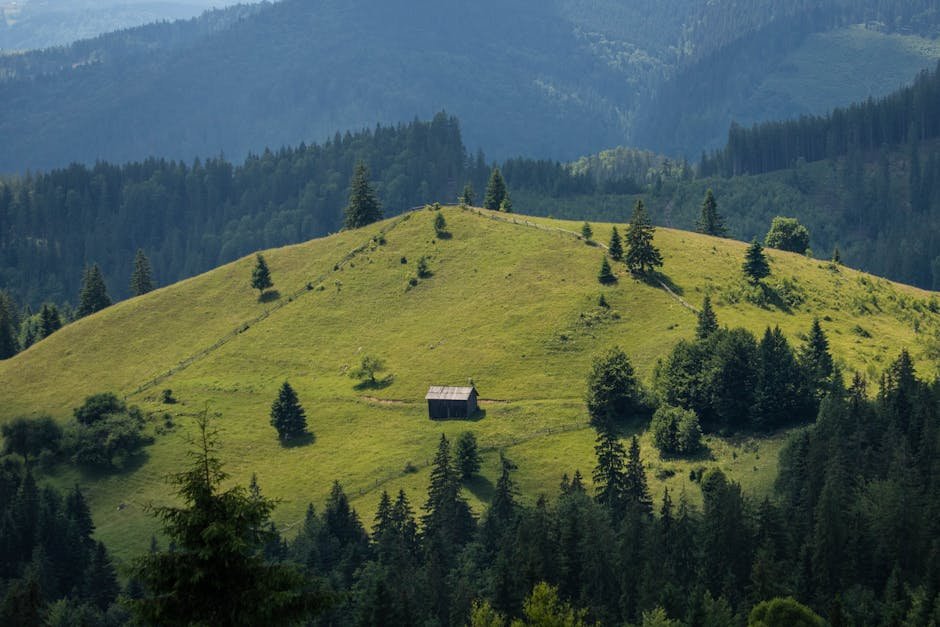
Idyllic view of a solitary cabin on a lush green hillside in Sucevița, Romania.

Carpathian Bear Hide

A rustic wooden hide camouflaged within towering fir trees, perfect for observing bears in their natural habitat without disturbance.

The Painted Monasteries of Bucovina

A kaleidoscope of sacred art on stone canvases.

Driving north to Bukovina, the air grows sharper, and the landscape shifts to rolling hills dotted with monasteries whose walls explode with color. The Voroneț Monastery, often called the "Sistine Chapel of the East," dazzles visitors with its cobalt-blue backgrounds and fiery scenes of Last Judgment painted in the 15th century. Hours can be spent admiring the intricate frescoes that have withstood time, war, and weather; each brushstroke tells stories of faith, fear, and hope.

Visiting Info

Most monasteries are open daily from 8AM to 6PM. Entry is usually free, though donations are appreciated. Appropriate modest dress (covering shoulders and knees) is required.
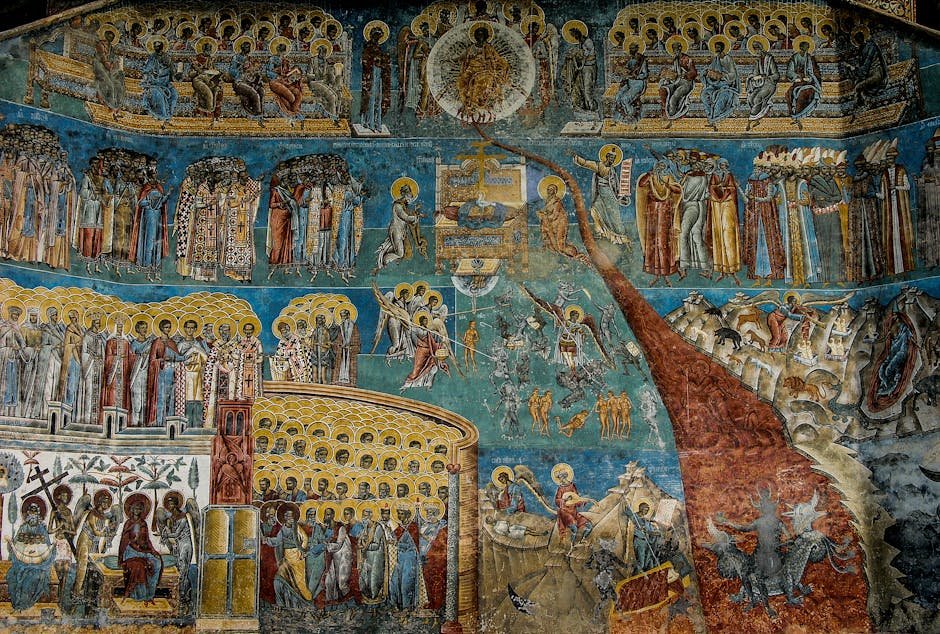
Detailed medieval frescoes at Voroneț Monastery, Romania

Voroneț Monastery

World-renowned for its vivid blue frescoes, Voroneț is a beacon of spiritual and artistic heritage perched on a forested hilltop.

Nearby, the Humor and Sucevița monasteries each offer their own unique palette and iconography. The village roads here echo with the clip-clop of horse-drawn carts, and the scent of freshly baked cozonac (a sweet bread) wafts from roadside stalls. Language barriers often dissolve into warm exchanges when locals help visitors navigate pronunciation of dishes like sarmale, turning minor communication challenges into memorable moments of connection.
MonasteryKey FeatureBest Visiting TimeEntry Fee
VoronețBlue frescoes, Last JudgmentApril to OctoberFree (donations welcome)
HumorRed and white frescoes, vivid saintsMay to SeptemberFree
SucevițaWell-preserved frescoes, fortress wallsJune to SeptemberFree

Life on Roads Forgotten by Time

When horses outnumber cars and traditions remain unhurried.

In small villages near Sibiu, local markets thrum with barter and the clatter of horse-drawn carts. These carts, with their wooden wheels and hand-painted sides, aren't just relics but a vital part of daily life. Slow rides through fields of sunflowers and maize reveal air thick with the earthy scent of soil and the distant song of cuckoo birds.
Villagers greet visitors with curious smiles and offer sips of homemade plum brandy and slices of brânză (cheese). The pace here defies the relentless rush of modernity, a reminder that some corners of the world hold on to their own rhythm.

Getting Around Off the Beaten Path

  • 1

    Rent a car - public transport is limited outside major towns; a sturdy vehicle lets you explore remote villages.

  • 2

    Learn a few Romanian phrases - simple greetings like 'Bună ziua' (Good day) open many doors.

  • 3

    Stay in guesthouses - family-run pensions often include homemade meals and priceless stories.

Pensiunea Viscri 125
4.7

Traditional Saxon guesthouse with hearty meals and horse-drawn carriage rides available.

150-200 RON/nightSat Viscri, Nr. 125, Brașov County
Casa Humor
4.6

Quaint guesthouse near Humor Monastery, offering insight into Bucovina's rural life.

120-180 RON/nightStrada Humor, Suceava County
Pros
  • Rich cultural heritage beyond Dracula myths
  • Unspoiled natural landscapes with abundant wildlife
  • Warm, welcoming locals preserving centuries-old traditions
Cons
  • Limited public transportation in rural areas
  • Seasonal weather can be unpredictable, especially in mountains
  • Language barriers outside big cities
Transylvania's wild heart isn't marked on every tourist map, but it pulses in the cracked stones of its churches, the quiet gaze of a distant bear, and the laughter shared over a steaming bowl of ciorbă de burtă (tripe soup) in a dimly lit tavern. It's a place where history is palpable and nature unyielding, inviting travelers willing to look beyond the vampire legends to a land that is, simply, alive and real.
The wild heart of Romania is worth the journey.
Nadia Petrova

Nadia Petrova

Travel Editor at Vitano Magazine