Georgia's Wine Revolution: 8,000 Years of Qvevri Tradition

Georgia's Wine Revolution: 8,000 Years of Qvevri Tradition

Nadia Petrova

October 18, 2025

4 min read· 62 views
If someone told me decades ago that the birthplace of wine would become a hub for natural, orange wine lovers worldwide, I might have chuckled, imagining dusty bottles in an obscure museum. But Georgia, perched at the crossroads of Europe and Asia, is rewriting the vinous narrative. Archaeological digs have uncovered clay vessels (qvevri) dating back 8,000 years, making Georgian wine the oldest known. This isn't just history; it's a vibrant tradition alive in busy Tbilisi wine bars and sprawling Kakheti fields today.

The Ancient Qvevri Method: Clay, Earth, and Time

Unpacking the millennia-old Georgian winemaking technique

The qvevri method is deceptively simple but profoundly complex in its outcome. Large clay vessels, sometimes taller than a person, are hand-crafted and coated with beeswax inside to prevent oxidation. Families bury these qvevri deep underground, allowing grapes, skins, stems, and juices to ferment together naturally for months. The result? A rich, amber-hued wine with layers of tannins and aromas that challenge typical European palettes. I vividly recall my first taste at a Kakhetian winery: earthy, tannic, with a subtle hint of dried apricot that lingered long after the glass was empty.

Did you know?

Georgia boasts over 500 indigenous grape varieties, many still vinified in qvevri, sustaining a wine culture unmatched elsewhere in the world.

Plan your trip with AI

Turn inspiration into a real itinerary. Plan day-by-day routes, find the best spots, and share with friends.
a lush green field with mountains in the background

Kakheti Wine Region

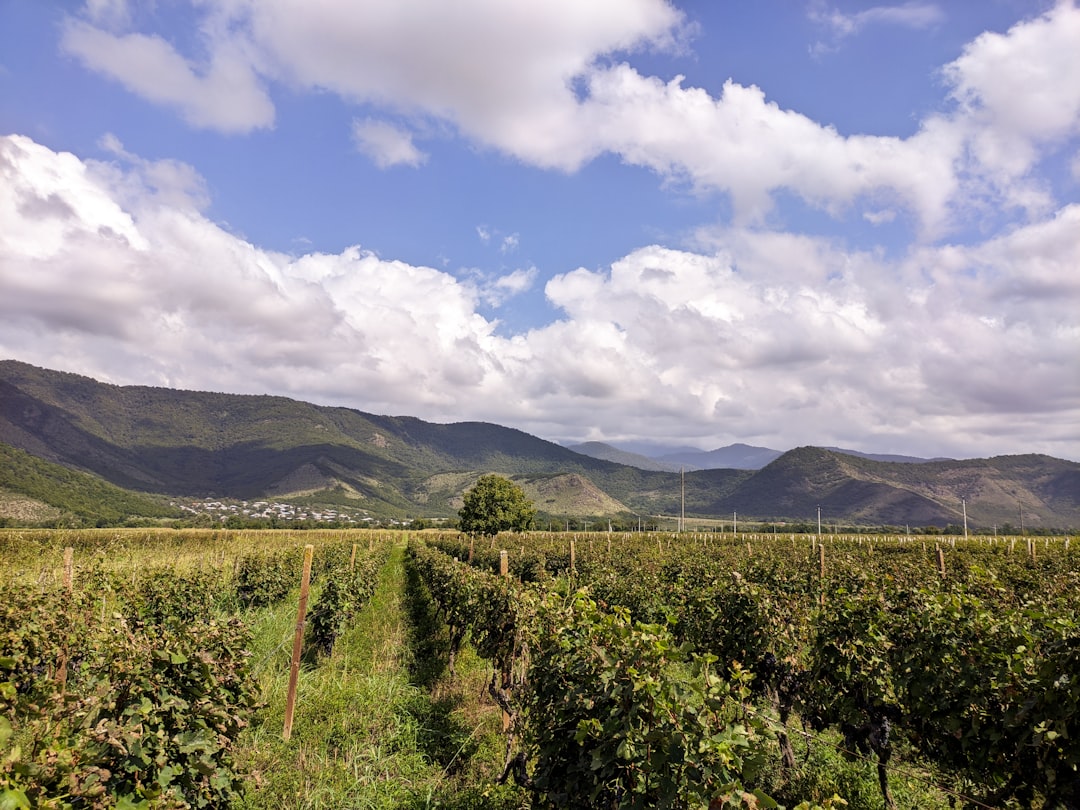
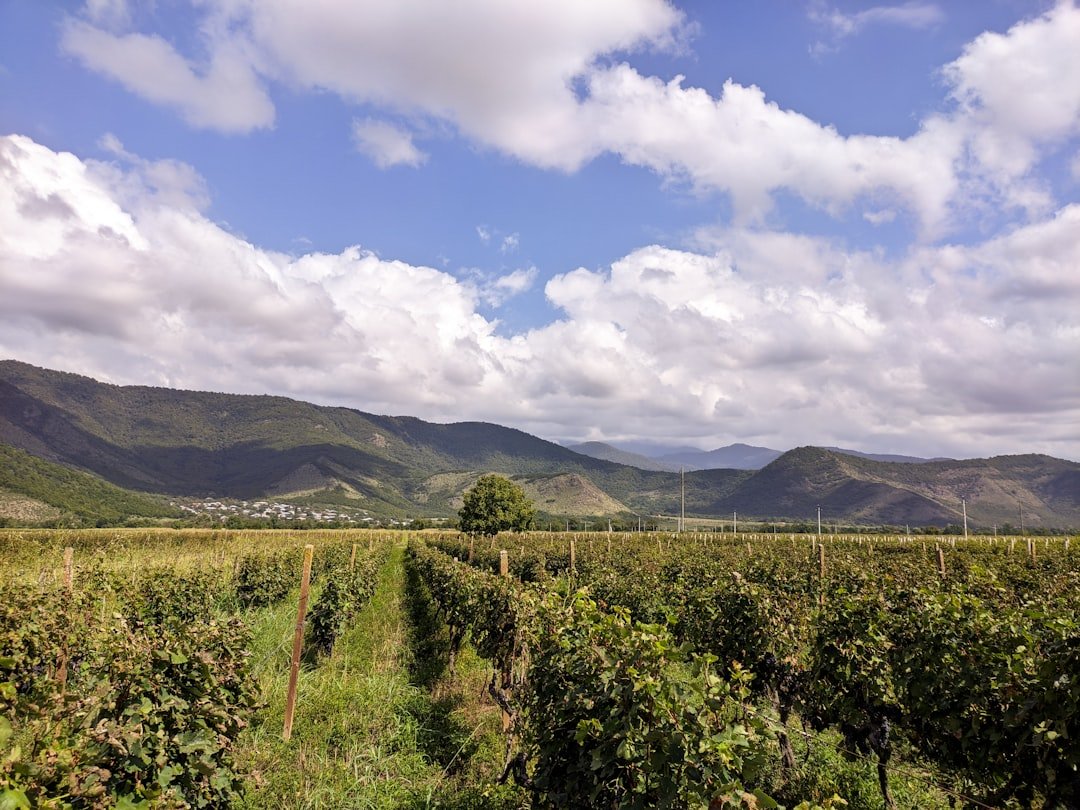
This sun-drenched region in eastern Georgia is the beating heart of qvevri wine production. Vineyards stretch across rolling hills, and ancient cellars dot the landscape. Visiting in late September is ideal: harvest season is alive with grape picking, chatter, and the sweet scent of fermenting juice. The air mixes scents of ripe fruit, dry earth, and, beneath it all, the faint smokiness from traditional grape crushing.

Near Telavi, the region's main town, I discovered a small family cellar where grandmothers oversaw qvevri opening ceremonies, graciously inviting me to join their supra feast. This traditional banquet is more than a meal; it's a melodic ritual of toasts, storytelling, and laughter, where wine flows as freely as the poetry.

Tbilisi's Natural Wine Scene

From ancient vessels to avant-garde bars
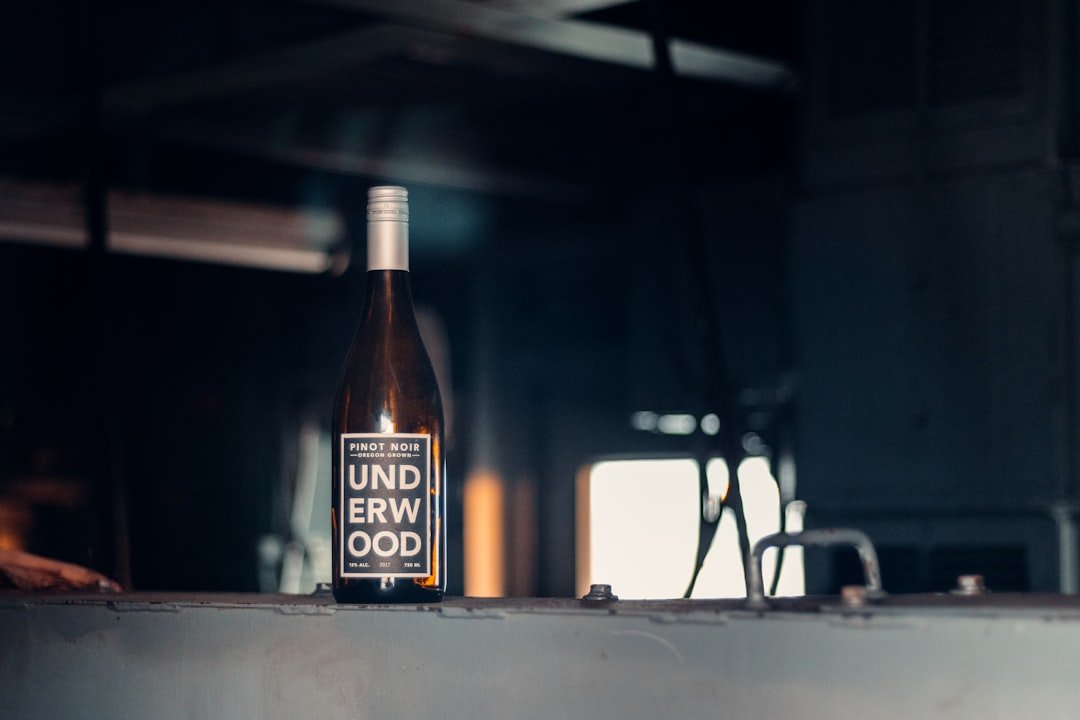
Back in Georgia's capital, Tbilisi, the wine revolution swirls through its eclectic neighborhoods. Rustaveli Avenue's classic cafes contrast with hip spots in the Old Town's labyrinthine streets where natural wine bars serve qvevri wines alongside funky blends from new Georgian winemakers. At places like Vino Underground on Vasil Levanidze Street, the atmosphere is unpretentious (a mix of locals debating politics and sommeliers explaining the subtle differences between two amber wines that might seem identical to the untrained palate).
selective focus photography of black and white labeled bottle

Vino Underground, Tbilisi

A pioneer in the natural wine movement in Tbilisi, this cozy wine bar offers an ever-changing selection of Georgian qvevri wines and international natural varieties. The exposed brick walls and dim lighting create an intimate vibe perfect for wine exploration. Prices range from 20 to 50 GEL per glass, affordable yet artisanal.

Good to Know

Tbilisi's natural wine bars often open around 5 PM and close late (midnight or 1 AM). Weekends get lively, so arrive early to snag a seat, especially in popular spots like Vino Underground or 8000 Vintages.

Essential Tips for Exploring Georgian Wine

  • 1

    1. Learn a few Georgian phrases - Even a simple 'Gmadlobt' (Thank you) goes a long way with winemakers and hosts.

  • 2

    2. Visit during harvest season (mid-September to early October) - Experience grape picking and traditional winemaking firsthand.

  • 3

    3. Don't rush the supra - These feasts can last hours; savor each toast and story, they're integral to Georgian wine culture.

SeasonKakheti ExperienceTbilisi Wine SceneAverage Cost (per glass)
Spring (Apr-Jun)Vineyards begin blooming, mild weatherBars less crowded, good for first visits15-30 GEL
Summer (Jul-Aug)Hot, can be dry; vineyards lushOutdoor terraces open, vibrant nightlife20-40 GEL
Harvest (Sep-Oct)busy grape picking, wine festivalsWine bars busiest, special tastings offered25-50 GEL
Winter (Nov-Mar)Cold, quiet vineyards; cellars warmCozy indoor wine bars, quiet ambiance15-35 GEL
What strikes me most is how every family in Georgia, especially in Kakheti, guards its own vintages like precious heirlooms. Qvevri wines aren't mass-produced. Instead, they reflect micro-terroirs and generations of knowledge passed down with pride. In Tbilisi, the old meets the new: while the qvevri remains a symbol of tradition, a new wave of winemakers experiments with natural yeast and organic farming, yet still buries their vessels underground as their ancestors did.
"Wine in Georgia is not just a drink; it's a story, a ceremony, a way of binding generations together." - Tamuna, Kakhetian winemaker
Schuchmann Wines
4.7

Modern winery in Kakheti offering qvevri tours, tastings, and traditional Georgian feasts.

Tour + tasting 50 GELSighnaghi Highway, Kakheti
8000 Vintages
4.8

Tbilisi wine bar specializing in Georgian natural wines, including qvevri styles.

Glass 20-45 GELMetechi St 3, Tbilisi
Pheasant's Tears
4.9

Boutique winery known for authentic, rustic qvevri wines and intimate tastings.

Tasting from 40 GELSighnaghi, Kakheti
Pros
  • Unique ancient winemaking tradition preserved alive
  • Warm, communal supra feasts celebrating wine culture
  • Affordable wine experiences compared to Western Europe
Cons
  • Language barriers outside major cities
  • Some rural wineries require advance booking and transport
  • Natural wines can be an acquired taste for some palates
To truly appreciate Georgian wine, you have to drink it where it was born: in soil warmed by centuries of sun, in houses echoing with toasts and songs. It's a journey that challenges the senses and enriches your understanding of how deeply a country's identity can be poured into a glass. Next time you raise a glass, remember: you're tasting a story 8,000 years in the making.

Nadia Petrova

Travel Editor at Vitano Magazine

You might also enjoy

The Spice Routes: How Pepper Changed the Map of the World
Food & Culture4 min

The Spice Routes: How Pepper Changed the Map of the World

Before Columbus sailed west, before Vasco da Gama rounded the Cape of Good Hope, the world was already intertwined by the scent of spices-especially pepper. These aromatic commodities didn’t just flavor food; they reshaped empires, sparked wars, and redrew the globe. Join me on a journey tracing the footsteps of traders, explorers, and conquerors across time and space, from the bustling spice markets of Kochi to the fragrant isles of the Moluccas and the historic bazaars of Zanzibar. This is a story where history smells as potent as the spices themselves.

NP
Nadia Petrova
12/15/2025
Vietnamese Coffee Culture: A Slow Drip from Hanoi to Saigon
Food & Culture4 min

Vietnamese Coffee Culture: A Slow Drip from Hanoi to Saigon

In the bustling streets of Vietnam, coffee is less a beverage and more a ritual, an invitation to pause and savor the moment. From the rich, creamy egg coffee of Hanoi's Old Quarter to the gentle sweetness of coconut coffee in Hoi An, and the earthy robusta plantations of the Central Highlands, the country brews a story of tradition, resilience, and slow enjoyment that rivals Italy’s famed espresso culture.

YT
Yuki Tanaka
11/28/2025
Oaxaca: Mezcal, Mole, and the Soul of Mexican Cuisine
Food & Culture4 min

Oaxaca: Mezcal, Mole, and the Soul of Mexican Cuisine

Ever wondered where the world’s most complex cuisine is born? I’m talking seven types of mole, artisanal mezcal that’ll warm your soul, and street snacks that hit you right in the feels. Oaxaca, mate, is where Mexico’s food spirit comes alive. Join me on this messy, smoky, delicious road trip through markets, distilleries, and street corners where every bite tells a story.

DV
Diego Vargas
11/11/2025