Following Shackleton's Impossible Journey Across Antarctica

Following Shackleton's Impossible Journey Across Antarctica

James Chen

James Chen

November 20, 2025

5 min read· 61 views
You want to experience the ultimate survival story? Pack ice crushes ships. Gale-force winds sink boats. Sub-zero temperatures kill. Yet in 1914, Ernest Shackleton deliberately sailed into this frozen hell with 27 men aboard the Endurance, aiming to cross Antarctica via the South Pole. What followed wasn't exploration but a 22-month fight for survival that redefined human endurance. Difficulty rating: Extreme. Fitness requirement: Elite. Safety consideration: Everything can and will go wrong.

The Endurance Expedition: 1914-1916

From ambitious exploration to an epic fight for survival

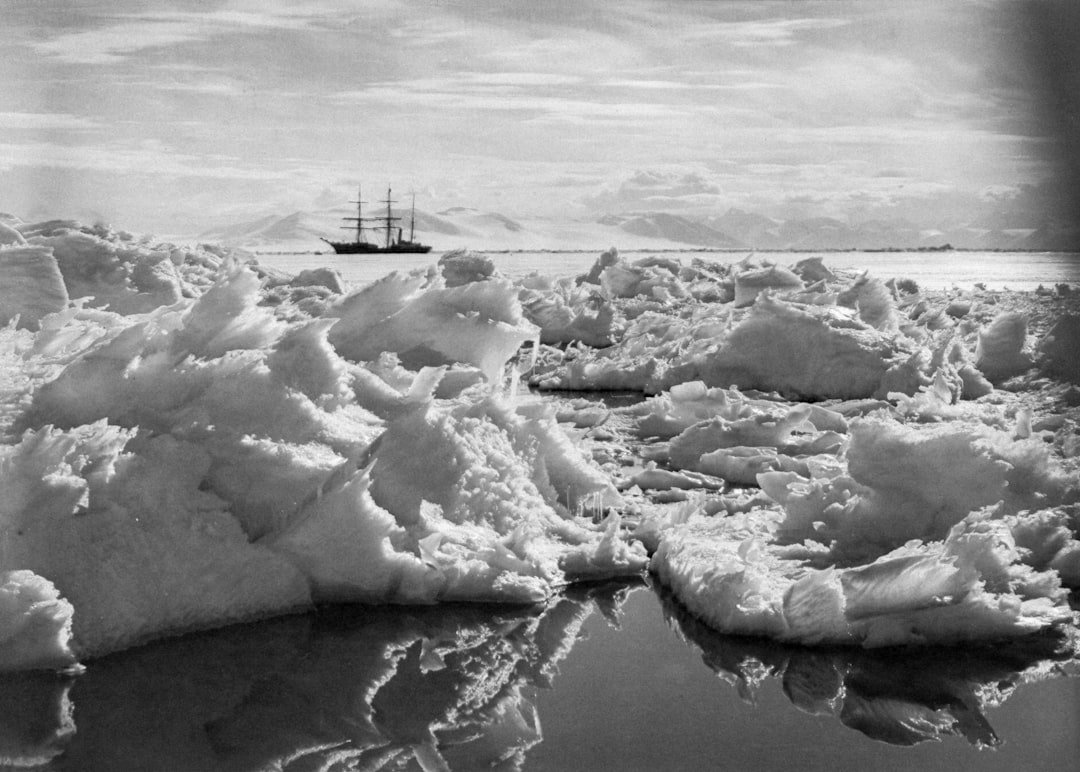
In August 1914, Ernest Shackleton set sail aboard the Endurance with the goal of making the first land crossing of Antarctica via the South Pole. But by January 1915, pack ice had trapped the ship in the Weddell Sea, and by October, the crushing ice finally sank her. Shackleton and his men camped on the ice for months, drifting north on the floes. In April 1916, they launched three open boats across the turbulent Southern Ocean, covering approximately 800 nautical miles to reach South Georgia, a sub-Antarctic island with whaling stations and their only hope for rescue.

Historical Timeline of the Endurance Expedition

• December 5, 1914: Endurance departs from South Georgia towards the Antarctic continent. • January 18, 1915: Ship becomes trapped in pack ice. • October 27, 1915: Endurance crushed and sinks. • April 24, 1916: Open-boat voyage begins from Elephant Island to South Georgia. • May 10, 1916: Arrival at South Georgia. • May 1916: Mountain traverse across South Georgia to Stromness whaling station.

Plan your trip with AI

Turn inspiration into a real itinerary. Plan day-by-day routes, find the best spots, and share with friends.

Did you know?

The Endurance was crushed by pack ice after drifting less than 100 miles from its intended landing site on the Antarctic continent.
a ship sailing in the ocean near icebergs

Weddell Sea Pack Ice

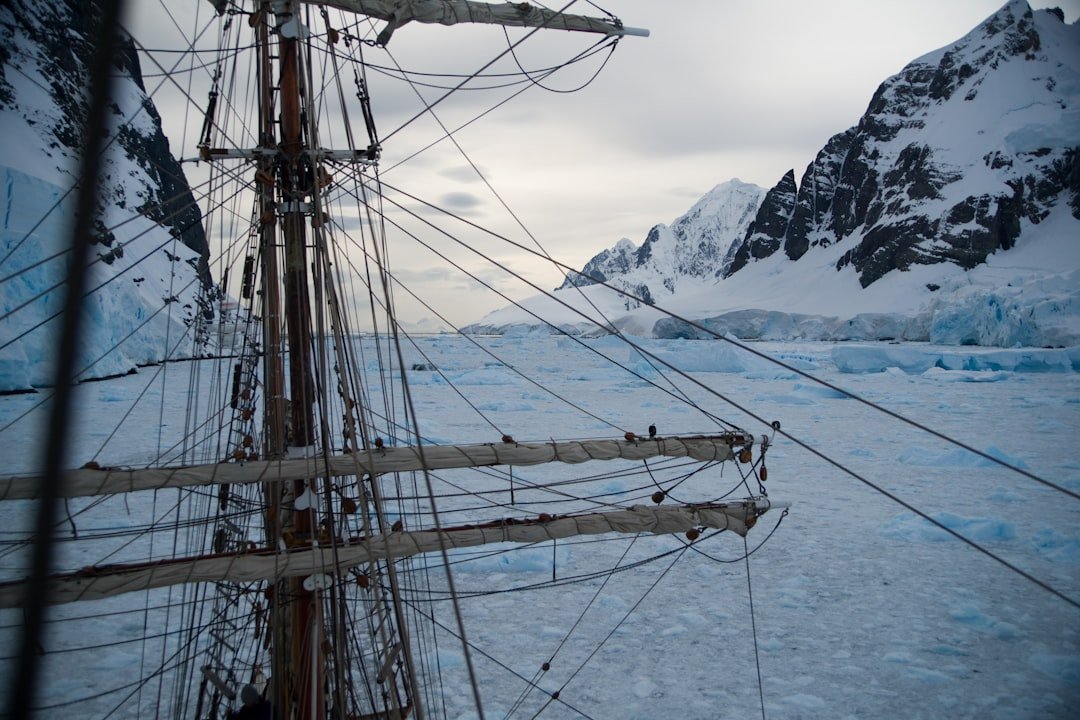
This is where Endurance met its fate. The Weddell Sea's pack ice can extend over 1,000 miles during winter, a shifting maze of pressure ridges and ice floes that move unpredictably with the wind and currents, making navigation nearly impossible. Modern satellite imaging has revealed ice can travel hundreds of miles, carrying anything trapped within it along a frozen conveyor belt.

The science behind the pack ice is as brutal as it is fascinating. Sea ice in the Weddell can be up to several meters thick. As it freezes and expands, the ice exerts immense pressure on anything trapped inside. This pressure crushing the wooden Endurance was a slow, relentless squeeze over months. I recall reading that the entire ship was slowly squeezed like a walnut until it finally gave way. The men's understanding of this ice behavior was limited, yet Shackleton's leadership transformed disaster into hope.

Visitor Tips for Antarctica and South Georgia

  • 1

    Best time to go - Antarctic expeditions run from November to March when weather is least severe and wildlife is active.

  • 2

    Pack the right gear - thermal layers, waterproof outer shells, glacier glasses, and crampons for ice traverses are essential.

  • 3

    Guided tours recommended - solo travel to these regions is not permitted; join accredited expeditions with experienced guides.

  • 4

    Prepare physically - expect challenging terrain with strong winds and temperatures often below -20°C.

The Open-Boat Crossing: A Voyage Through the Southern Ocean

900 nautical miles of freezing waves and unpredictable weather

After months on the ice floes, Shackleton and five of his men set off in the James Caird, a 22.5-foot lifeboat, for the 800-mile voyage to South Georgia. I've sailed on rough seas, but nothing compares to the Southern Ocean's wrath: towering waves, freezing spray, and gale-force winds. The crew faced constant threat of capsizing, hypothermia, and starvation. Their navigation depended on the skill of Frank Worsley, who used a sextant to measure the sun through gaps in storm clouds. No GPS, no radio, just raw calculation under pressure.

Survival Fact

The James Caird's journey is regarded as one of the greatest open-boat voyages ever, surviving 16 days of relentless storms and freezing conditions.
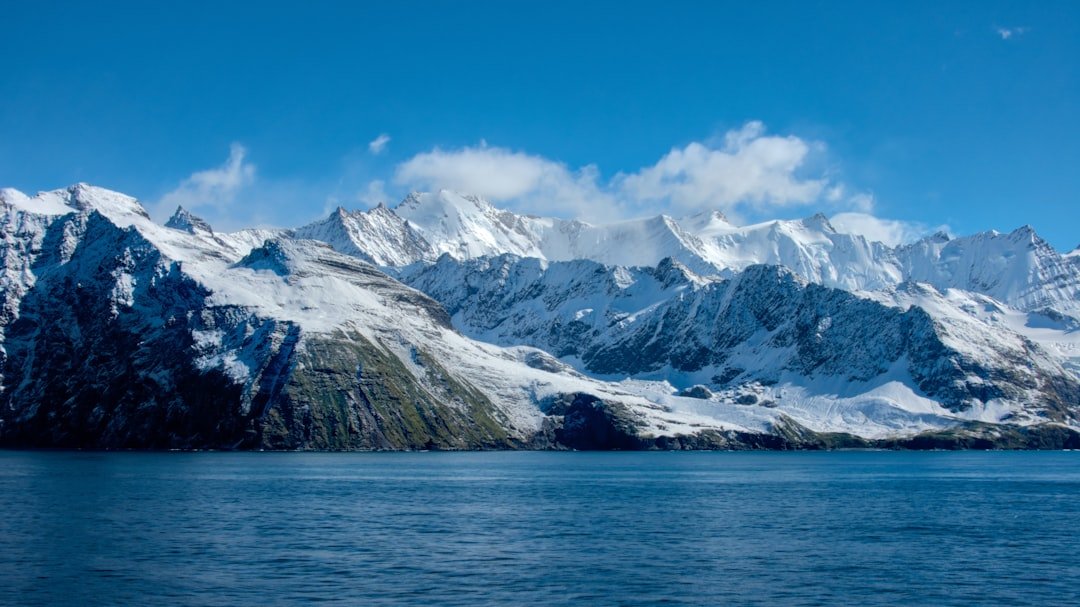
snow covered mountain near body of water during daytime

South Georgia Island Coastline

South Georgia Island is a rugged, mountainous land roughly 3,500 square kilometers of glaciers, fjords, and towering peaks. The island's harsh climate is tempered by rich marine life, including massive colonies of king penguins and elephant seals. For Shackleton, reaching this island meant survival; but crossing it would become another ordeal: a 36-hour trek across uncharted mountain ranges and glaciers.

I remember when I first stepped on South Georgia's rocky shores. The cold wind carried the smell of salty sea and penguin guano. The landscape is as unforgiving as it was a century ago. The mountain crossing Shackleton and his companions undertook was over terrain still largely unmapped in 1916, involving glacier travel, steep ascents, and navigation without trails or maps. Modern climbers use GPS and satellite imagery, but the original team relied on intuition, makeshift crampons, and sheer will.

South Georgia Crossing Facts

• Distance: Approximately 32 kilometers (20 miles) • Elevation gain: Up to 1,500 meters in steep terrain • Duration: Around 36 hours non-stop for Shackleton's party • Terrain: Glaciers, snowfields, rocky ridges • Modern guided routes are now well marked with safety equipment.

DateEventSignificance
April 24, 1916Departure from Elephant IslandStart of the open-boat crossing
May 10, 1916Landing on South GeorgiaReached land after 16 days at sea
May 19, 1916Completion of mountain traverseReaching Stromness whaling station and triggering rescue
This isn't a trip for the faint-hearted. Modern expeditions that retrace these steps require not only robust physical fitness but also mountaineering skills and experience with polar conditions. I've guided trekkers on South Georgia. Even in summer, weather can switch from calm to whiteout in minutes, and crevasses can be concealed beneath fresh snow.

Essential Gear for the South Georgia Traverse

  • 1

    Crampons and ice axes - for glacier travel and icy slopes

  • 2

    Layered clothing - including a waterproof shell and insulated layers

  • 3

    GPS device & maps - modern navigation tools are crucial

  • 4

    Emergency communication - satellite phone or PLB for rescue

"We were beaten, but not destroyed." - Ernest Shackleton, reflecting on the Endurance ordeal
What I find most inspiring about Shackleton's journey is the resilience and leadership amidst impossible odds. The geography of South Georgia and the Weddell Sea is unchanged, yet modern scientists use this story as a case study for survival psychology, climate change impacts on Antarctic ice, and even planetary exploration analogs.

Scientific Insight

Recent studies at the British Antarctic Survey show the Weddell Sea ice patterns have shifted due to climate change, altering the risks of modern expeditions compared to Shackleton's time.

Royal Geographical Society, London (Shackleton exhibits)
4.7

Explore artifacts, photographs, and diaries from the Endurance expedition.

£10 entry1 Kensington Gore, London
South Georgia Heritage Trust Visitor Centre
4.6

Learn about the island's history, wildlife, and Shackleton's crossing.

Free entryKing Edward Point, South Georgia Island
For anyone hungry for true adventure with a historical heartbeat, following Shackleton's route is a test of endurance and spirit. Whether sailing the rough Southern Ocean, stepping onto the icy floes where Endurance was lost, or hauling yourself over South Georgia's glaciers, you come face to face with history and the raw forces of nature. For me, this journey is not just a tribute to Shackleton but a reminder of human resilience, the ever-changing polar environment, and the thrill of pushing limits.
If you decide to chase this epic, prepare to embrace uncertainty, respect the polar wilderness, and carry the legacy of the greatest survival story ever told. As Shackleton wrote in his final report, "Optimism is true moral courage." And in Antarctica, that courage is tested every day.
James Chen

James Chen

Travel Editor at Vitano Magazine
You might also enjoy

Surfing Portugal's Silver Coast: From Ericeira to Nazaré
Adventure4 min

Surfing Portugal's Silver Coast: From Ericeira to Nazaré

If you’re chasing waves in Europe, Portugal’s Silver Coast is where it’s at. From beginner-friendly breaks to some of the world’s gnarliest big waves, this stretch between Ericeira and Nazaré offers a raw, salty ride alongside charming fishing villages, lively surf camps, and an endless Atlantic soundtrack. Pack your board, mate - we're hitting the road and the water!

DV
Diego Vargas
04/21/2026
Via Ferrata in the Dolomites: A Beginner's Guide to Iron Paths
Adventure4 min

Via Ferrata in the Dolomites: A Beginner's Guide to Iron Paths

At 2,500 meters above sea level, clipped into steel cables with nothing but a harness and your wits between you and a steep drop, the Dolomites’ via ferrata roads offer a raw, exhilarating taste of alpine adventure. Whether you're a first-timer or a hardened climber, navigating these iron paths rewards you with vertigo-inducing views, adrenaline jolts, and an unforgettable connection to the mountains. I’ve done 12 via ferratas here; this guide cuts through the hype with real-world insights on the best routes, gear rentals, rifugio stays, and what to expect when you sign on for your first climb.

MB
Marcus Berg
04/21/2026
Diving the Cenotes: Mexico's Underwater Cathedral
Adventure5 min

Diving the Cenotes: Mexico's Underwater Cathedral

Mate, if you ever find yourself cruising through Mexico’s Yucatán Peninsula and you’re craving a dive unlike any other, the cenotes are calling your name. These crystal-clear freshwater caves aren’t just beautiful; they’re a peek into ancient Mayan mythology and a playground for adventurers like me. I spent weeks exploring them, and honestly, every splash felt like entering an underwater cathedral carved by time.

DV
Diego Vargas
12/18/2025