Diving the Cenotes: Mexico's Underwater Cathedral

Diego Vargas
December 18, 2025
What Exactly is a Cenote?
Freshwater wonders carved by time and myth
"The cenotes are the veins of the earth, holding secrets and stories older than any of us." - Don Manuel, Mayan guide
Plan your trip with AI
Turn inspiration into a real itinerary. Plan day-by-day routes, find the best spots, and share with friends.
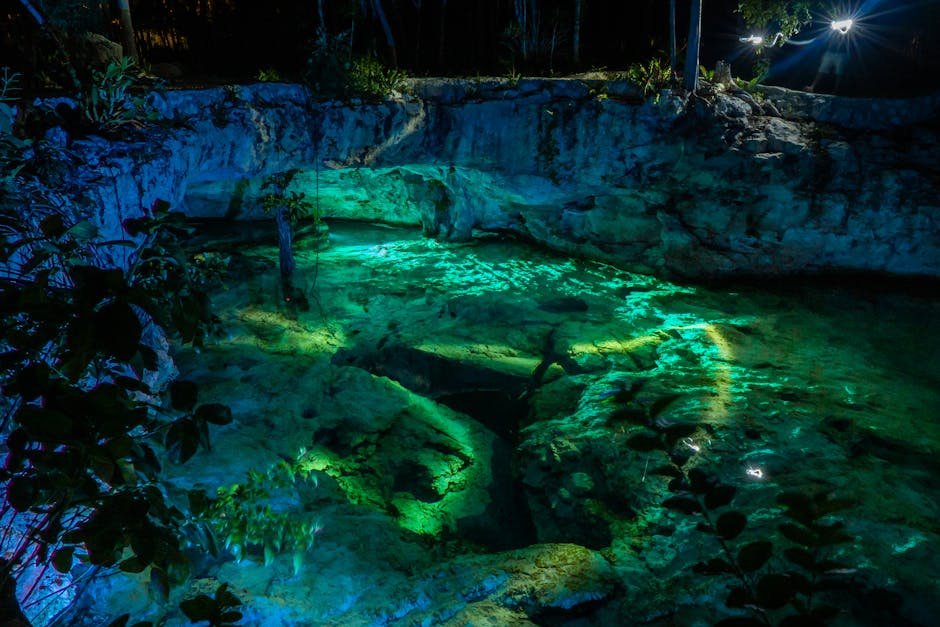
Gran Cenote
Near Tulum, Gran Cenote is the quintessential spot for first-timers. The water is gin-clear, perfect for snorkeling and diving, and you might even spot turtles lazily drifting by. I got there early to beat the crowds; the smell of wet limestone and fresh jungle is remarkable at dawn.
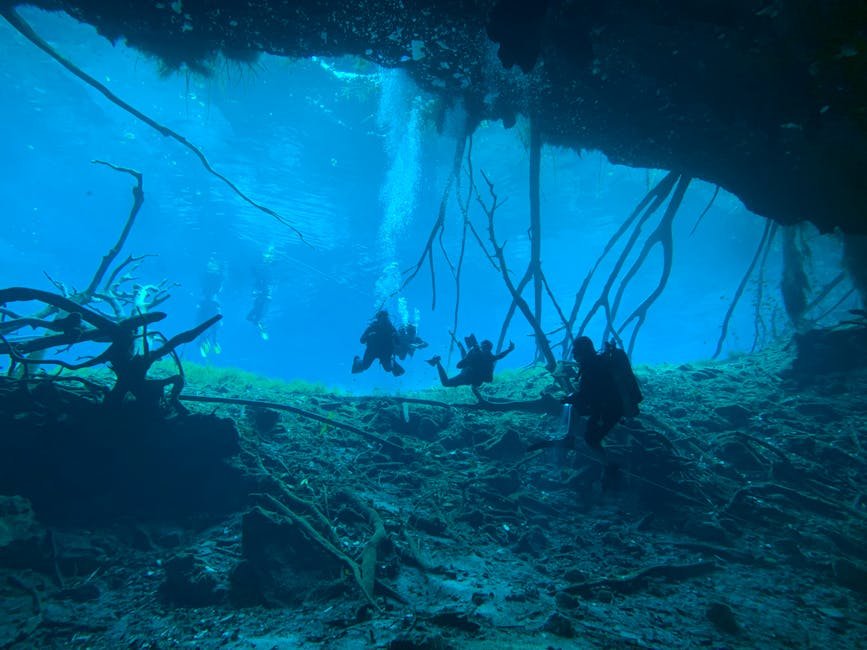
Dos Ojos
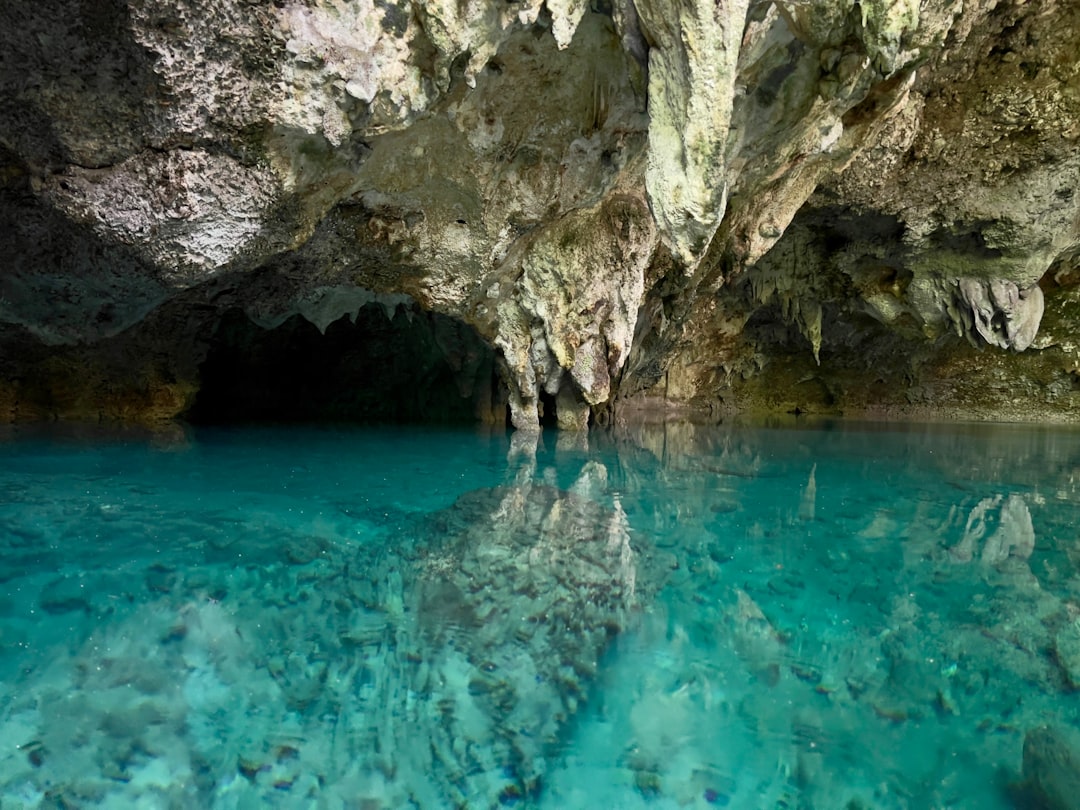
If you're into cave diving, Dos Ojos is a must. The name means 'Two Eyes' because it's actually two connected cenotes with an extensive underwater cave system. The water's cooler here, and the formations (stalagtites, stalagmites, and cavern walls) are jaw-dropping. I remember fumbling with my gear in the dim light before my first certified cave dive here; nerves turned to awe within minutes.
Getting Certified: Cave Diving in the Cenotes
Is it for you?
Essential Tips for Cave Diving Certification
- 1
Choose an accredited school. Look for PADI or TDI certifications to ensure proper safety standards.
- 2
Be honest about your skills. Cenote cave diving can be demanding, so don't overestimate your abilities.
- 3
Pack essentials. Bring a primary and backup light, and always double-check your gear before the dive.
Did you know?
The Yucatán Peninsula has over 6,000 cenotes, but only a fraction are open or safe for diving.
Snorkeling Cenotes: A Gentle Introduction
Not ready for scuba? No worries.
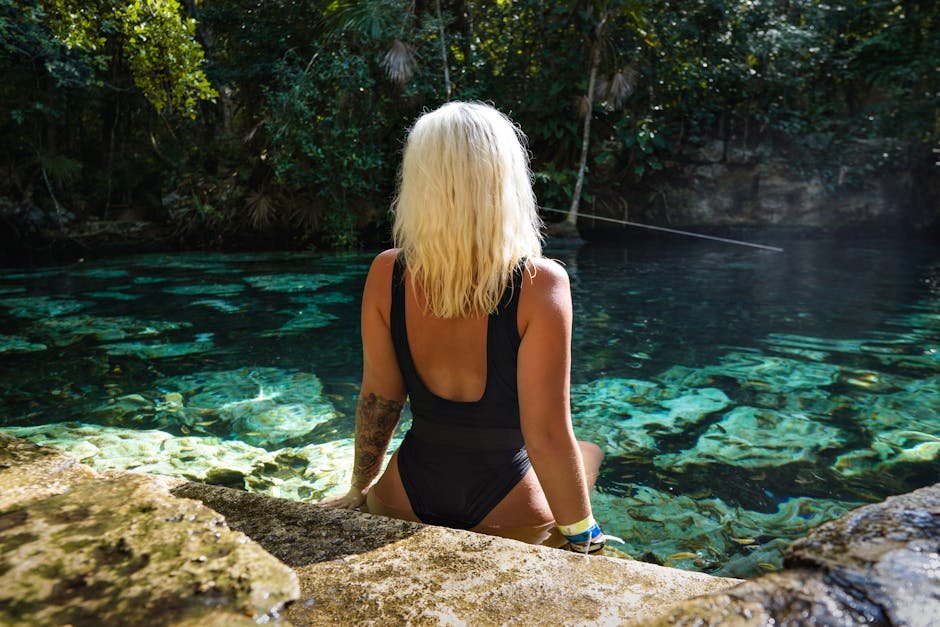
Cenote Azul
A refreshing spot with multiple swimming areas and a laid-back vibe. Entrance is around 120 MXN ($6 USD), open 9 AM to 5 PM. Beware, the water can feel cold at first (like jumping into a giant natural fridge), but it's incredible how clear everything is.
Good to Know
Cenote water temperatures usually hover between 22°C and 24°C (72°F to 75°F) year-round, so bring a thin wetsuit or at least a dive skin if you plan to spend hours exploring.
Mayan Mythology Beneath the Surface
The stories that make cenotes so much more than just water holes
| Cenote | Location | Best For | Entrance Fee (MXN) | Opening Hours |
|---|---|---|---|---|
| Gran Cenote | Near Tulum | Snorkeling, beginner diving | 150 | 8 AM – 5 PM |
| Dos Ojos | North of Tulum | Certified cave diving | 1500–2500 (guided dives) | 8 AM – 5 PM |
| Cenote Azul | Near Playa del Carmen | Snorkeling, swimming | 120 | 9 AM – 5 PM |
| Calavera | Tulum outskirts | Experienced divers, thrill seekers | 100 | 8 AM – 5 PM |
Pros
- Unparalleled water clarity for underwater visibility
- Diverse options from gentle snorkeling to technical cave diving
- Rich cultural and mythological significance adds depth to the experience
Cons
- Seasonal crowds can get intense, especially Dec-Apr
- Some cenotes require certifications and advanced skills
- Remote locations mean you'll need reliable transport
How to Get There and When to Visit
- 1
Rent a car or moto. Public transport is scarce; driving lets you hit multiple cenotes at your own pace.
- 2
Visit in the dry season (Nov-April). Less rain means clearer water and fewer bugs.
- 3
Avoid weekends if you want some peace. Locals and tourists flood popular spots then.
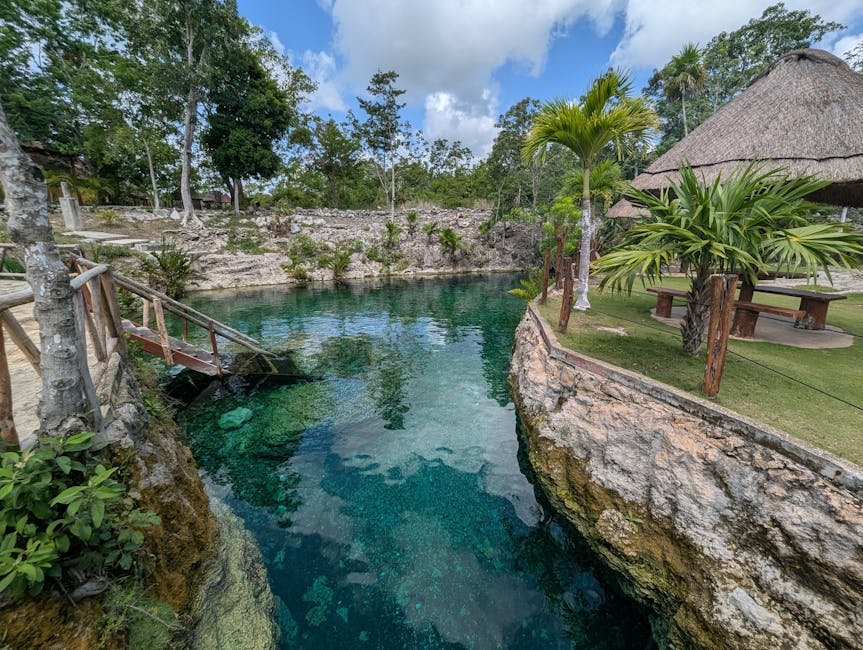
Cenote Calavera
Known as the 'Temple of Doom' for its skull-like holes on the roof, this cenote is for the brave. If you like jumping from heights into cool, clear water, this one's your spot. Just a 5-minute drive from Tulum center. Don't forget your camera; the light filtering through the holes is unreal.
Diego Vargas
Travel Editor at Vitano Magazine