Budget Europe: 30 Days, 7 Countries, Under €2,000

Budget Europe: 30 Days, 7 Countries, Under €2,000

Marcus Berg

Marcus Berg

April 7, 2025

4 min read· 64 views
It started with a cheap flight into Budapest-€45 from Berlin on a no-frills carrier. I remember stepping off the plane, the crisp spring air tinged with the faint hum of the city's trams and the smell of fresh chimney cake wafting from a nearby stand. That scent alone was worth the trip. Over the next month, I zigzagged across Europe, clocking in roughly 4,000 kilometers on buses, trains, and the occasional city bike. The challenge? Doing it all for under €2,000, including lodging, food, transit, and a few must-see splurges.

The Route: 7 Countries in 30 Days

Budapest – Vienna – Prague – Berlin – Amsterdam – Brussels – Paris – Lyon

Why these cities? They're iconic, but also friendly to budget travelers if you know where to look. Hungary and Czechia offer excellent value for money. Austria and Germany balance culture with reasonable prices outside tourist traps. The Benelux plus France taught me how to stretch euros where they usually disappear fast. Here's how I managed travel, lodging, and food without the usual wallet meltdown.
LegDistance (km)Transport ModeCost (€)Duration
Budapest to Vienna243FlixBus102.5h
Vienna to Prague330RegioJet train154h
Prague to Berlin350FlixBus124.5h
Berlin to Amsterdam650Night train358h
Amsterdam to Brussels210Train (SNCB)152h
Brussels to Paris320FlixBus104h
Paris to Lyon460Ouigo train202h

Plan your trip with AI

Turn inspiration into a real itinerary. Plan day-by-day routes, find the best spots, and share with friends.

Good to Know

Booking buses like FlixBus and trains like RegioJet or Ouigo at least 2 weeks in advance can slash prices dramatically. Night trains can save accommodation costs but prepare for less comfort.

Where to Crash Without Breaking the Bank

Hostels, alternatives, and the occasional splurge

Hostels are the usual suspects for budget lodging, but I'm not a fan of germ factories with loud dormmates. Instead, I mixed in budget hotels, Airbnb rooms, and even a few nights couchsurfing. In Budapest's VII district (Kazinczy utca 14), 'Maverick City Lodge' offered a private single room for €15 a night: a steal considering the hotel's lockers and free breakfast. In Amsterdam, couchsurfing near the Jordaan neighborhood gave me insider tips and an actual coffee machine, which is priceless.

Essential Accommodation Tips

  • 1

    Book early: Budget options fill fast, especially in tourist-heavy cities like Paris and Amsterdam.

  • 2

    Use alternatives: Couchsurfing and Airbnb rooms can offer privacy at hostel prices.

  • 3

    Check location: Staying near public transit cuts extra transport costs.

Did you know?

I saved over 30% on lodging costs by mixing Airbnb private rooms with select hostels rather than relying on hostels alone.

Keep in mind, many hostels and budget hotels have check-in times between 3pm-10pm and check-out by 11am. Arriving too early meant I sometimes lugged my bag around the city or paid a few extra euros to stash it in lockers. Worth it in places with spiked temperatures or rain.

Eat Like a Local Without Spending a Fortune

Meals that cost almost nothing (and taste good)

I'm no gourmet, but after 90 countries I've learned that the best meals aren't always the most expensive. In every city, hitting local markets was gold. Prague's Naplavka Farmers Market on the Vltava River was a great spot to grab freshly baked bread, pickles, and smoked sausages for under €5. In Paris, boulangeries like Poilâne on Rue du Cherche-Midi offer filling baguettes at €3–4. Combine with cheap cheese from Monoprix supermarkets and you're set.
Street food is often underrated. In Berlin's Kreuzberg district, doner kebabs from Mustafa's Gemüse Kebap cost around €3.5 and come piled with grilled veggies and tangy sauce (perfect after a day of exploring). Don't overlook free bread and toppings at some hostels, or communal kitchen dinners where travelers swap meal prep duties and stories.

Food Budget Hacks

  • 1

    Shop local markets: Fresh bread, cheese, and produce are cheap and delicious.

  • 2

    Embrace street food: Kebabs, gyros, and crepes often cost less than €5 and fill you up.

  • 3

    Cook when possible: Hostels and Airbnb kitchens save big bucks.

Free and Cheap Experiences That Make Europe Shine

Culture on a budget

Europe's cultural riches often come with hefty price tags, but plenty of gems are free or cheap. I took free walking tours in every city. Yes, they run on tips, but even a €5 tip is a great investment for local insights and historical context. In Prague's Old Town, I spent an entire afternoon exploring the narrow stone-paved streets, discovering tiny jazz bars full of locals and smoky saxophone magic.
Museums in cities like Amsterdam and Paris often have 'first Sunday of the month' free entry or discounted evenings. Parks are underrated treasures. Sitting in Paris' Parc des Buttes-Chaumont, hearing children scream in delight and dogs chase frisbees, you feel the city breathe without spending a dime.
Pros
  • Free walking tours offer rich local history with no upfront cost
  • Many museums have free or discounted days
  • Parks and public spaces provide cultural immersion without fees
Cons
  • Free tours can feel rushed or cheesy in high seasons
  • Museums might be crowded on free days
  • Not all must-see sights are free, so pick wisely

Did you know?

In Berlin, the East Side Gallery - a 1.3km stretch of the Berlin Wall covered in murals - is a free open-air museum and a must-see for budget travelers.
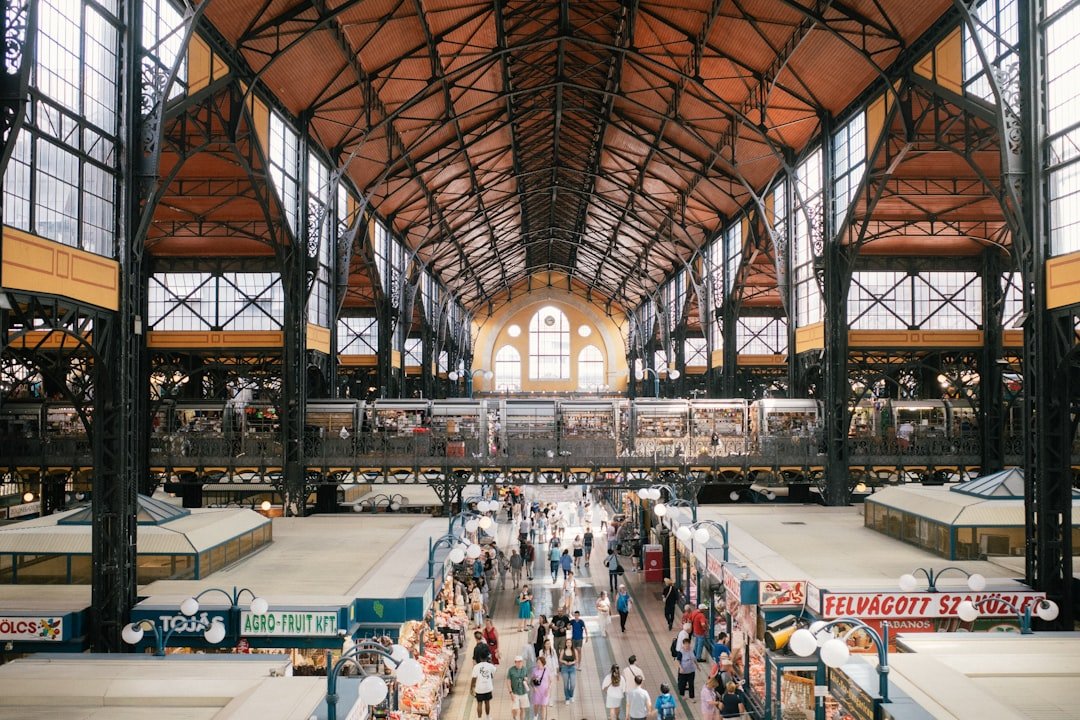
A train station filled with lots of people

Budapest's Central Market Hall

The smell of paprika hangs in the air as vendors shout prices and display stacks of fresh produce, meats, and traditional Hungarian lángos. A perfect spot for cheap, authentic bites.
a man in a white shirt and tie behind a counter

Parisian Street Food Scene

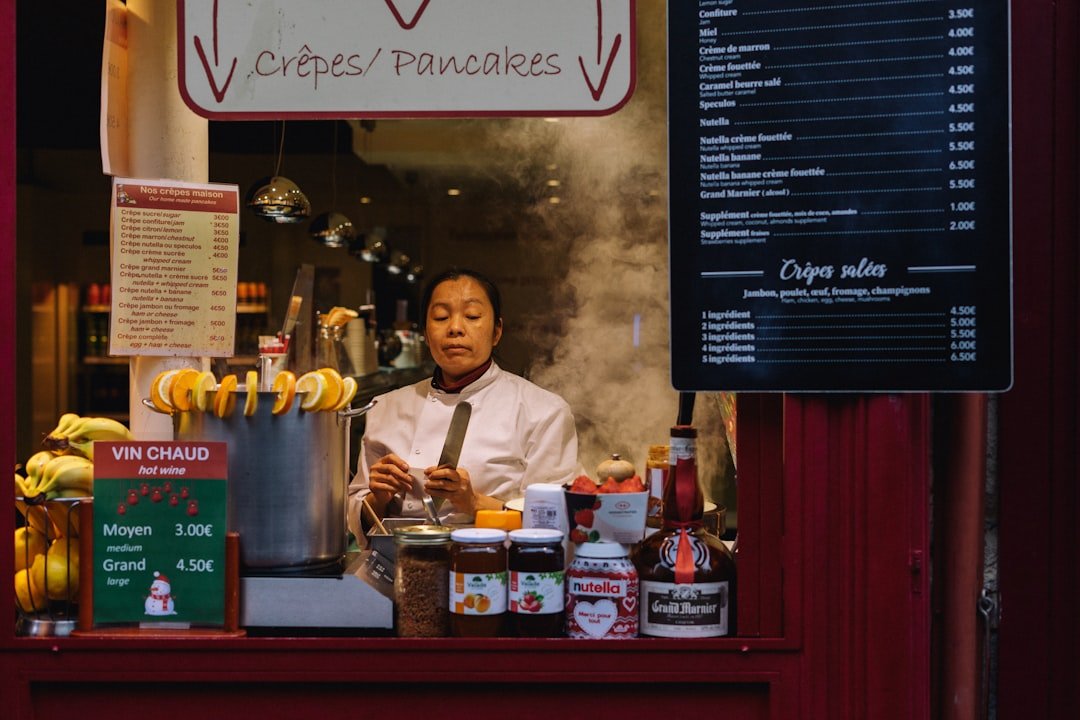
On Rue Mouffetard, the aroma of sizzling crepes mingles with fresh baguettes and melting cheese from nearby stands - a sensory overload that doesn't empty your wallet.

Budget Breakdown Summary

Where the €2,000 went

CategoryCost (€)Notes
Transport117Buses, trains, night train; booked early
Accommodation600Mix of hostels, Airbnb, couchsurfing nights
Food350Markets, street food, self-cooked meals
Activities150Tips for free walking tours, occasional museum fees
Miscellaneous100Locker rentals, sim cards, minor extras
Flights (in/out)150Budget airline roundtrip with hand luggage
Buffer/Emergency533Saved for unexpected expenses and splurges

Final Thought

The key to a tight budget is flexibility: travel off-peak, book early, and embrace local experiences over flashy tourist traps. You can enjoy Europe's culture, food, and history without that gut-wrenching bank alert.

So, Europe isn't just for the wealthy traveler; it's for anyone smart enough to travel smart.
Marcus Berg

Marcus Berg

Travel Editor at Vitano Magazine

You might also enjoy

Solo Female Travel in Southeast Asia: An Honest Safety Guide
Travel Tips5 min

Solo Female Travel in Southeast Asia: An Honest Safety Guide

Three years, four countries, countless memories-and yes, moments of uncertainty too. If you’re a woman thinking about backpacking through Thailand, Vietnam, Cambodia, or Indonesia, I get the swirl of excitement and nerves you’re feeling. This guide is my honest take on what’s really dangerous, what’s blown out of proportion, and how you can trust your instincts to keep you safe and thriving.

PS
Priya Sharma
12/03/2025
Travelling Europe with Kids: A Parent's Survival Guide
Travel Tips6 min

Travelling Europe with Kids: A Parent's Survival Guide

Europe is a playground of history, culture, and delicious food-but travelling it with kids? That’s a whole different adventure. From toddler tantrums on trains to seven-year-old ‘Are we there yet?’s on long drives, I've been there, done that, and packed the extra snacks. Here’s a practical, reassuring guide based on real trips with my three kids, ages 4, 7, and 11, to help you survive-and thrive-on your European family vacation.

TE
Tom Eriksson
06/05/2025
Why Is the Sky Bluer in Greece? The Science of Mediterranean Light
Travel Tips4 min

Why Is the Sky Bluer in Greece? The Science of Mediterranean Light

Since the 19th century, painters and seekers of light have been drawn to Greece, captivated by its uniquely vivid sky. But what is it about the Greek atmosphere that transforms the ordinary into something almost surreal? From the physics of Rayleigh scattering to the whitewashed walls of Santorini amplifying reflections, I delve into the interplay of nature and culture that shapes the Mediterranean light and explore why sunsets here feel genuinely different from those in London or other northern climes.

YT
Yuki Tanaka
06/02/2025