Why Is the Sky Bluer in Greece? The Science of Mediterranean Light

Yuki Tanaka
June 2, 2025
A Palette of Physics: The Rayleigh Scattering Effect
Why the atmosphere paints the sky blue
Science Fact
Rayleigh scattering causes the sky to appear blue by scattering short wavelength light more than long wavelengths.
Plan your trip with AI
Turn inspiration into a real itinerary. Plan day-by-day routes, find the best spots, and share with friends.
Latitude and Light
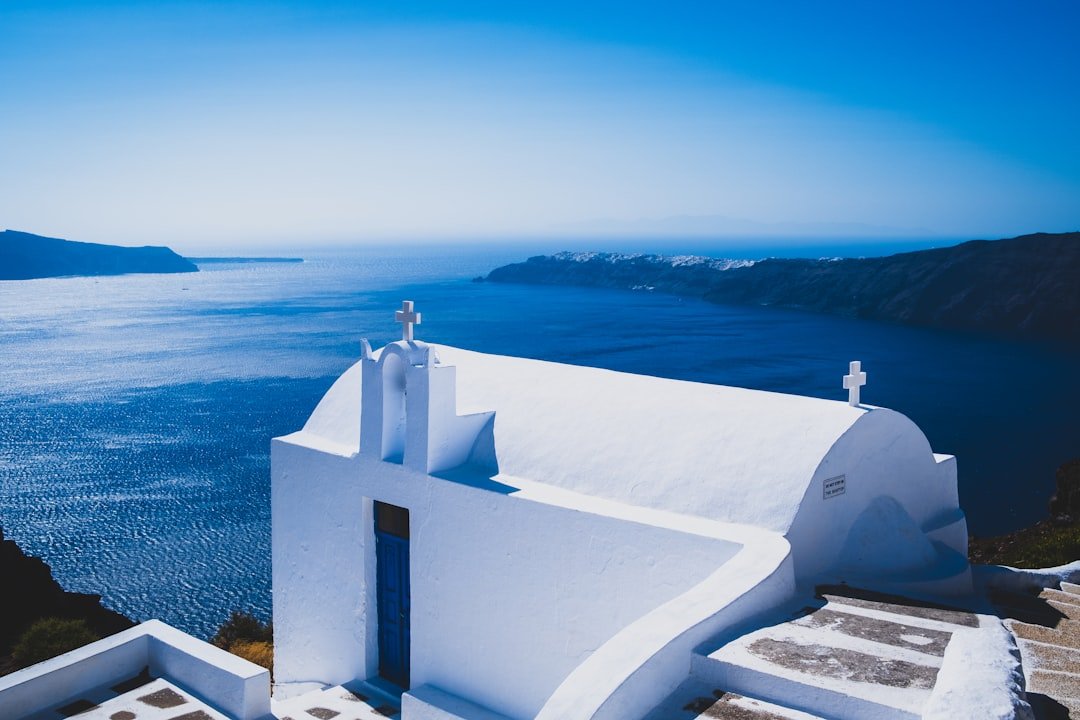
Greece's latitude means the sun sits higher in the sky during much of the year compared to northern Europe, reducing the atmospheric path length sunlight travels and minimizing scattering of redder wavelengths. This creates a deeper, crisper blue overhead.
The Dry Air and Its Clarity
Humidity's subtle role in shaping the sky
Climate Insight
Summer relative humidity in Athens averages around 60%, much lower than London's 80-90% levels.
Whitewashed Walls: Architecture Amplifying Light
How human design enhances natural phenomena
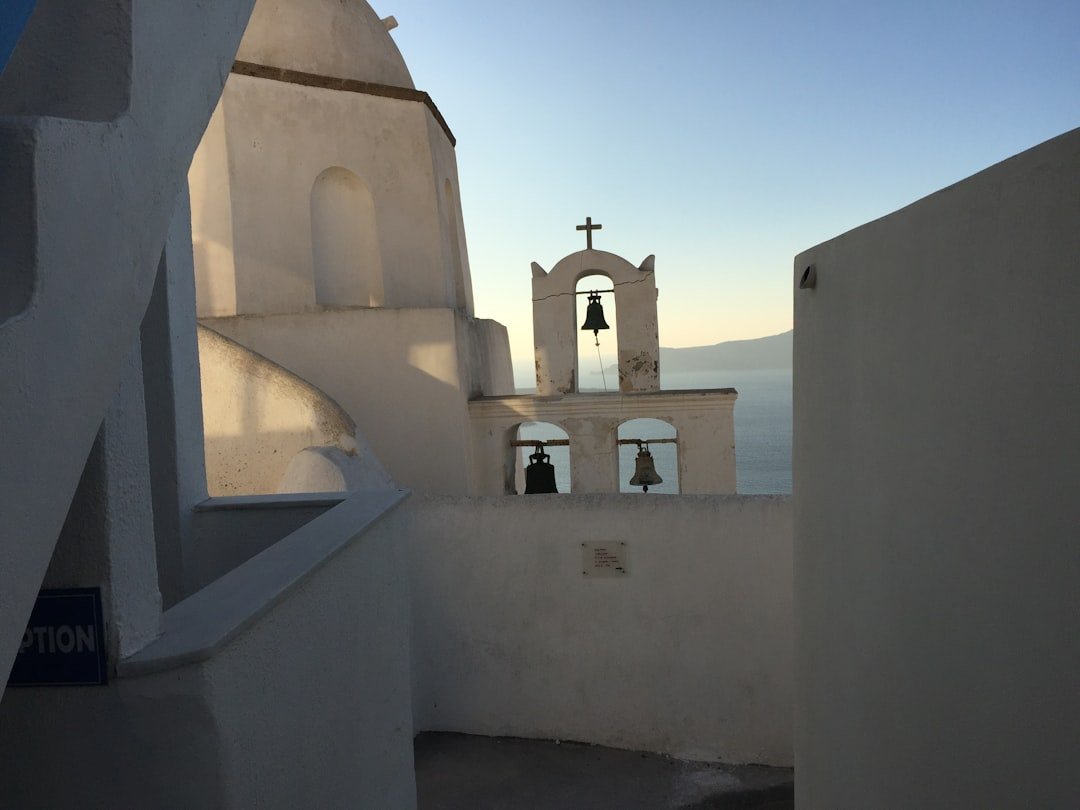
Santorini's Reflective Light
The whitewashed cubic houses of Santorini, perched on cliffs above the sea, reflect the sun's rays, intensifying the ambient light and contributing to the island's legendary glow. The practice dates back centuries, initially intended to keep interiors cool but serendipitously enhancing outdoor light.
"The sun itself is one of the greatest painters, but with a palette neither brush nor canvas can rival." - John Ruskin, 1872
Why Santorini Sunsets Differ From London's
Atmospheric composition and light angles
Natural Palette
Volcanic ash particles in Santorini's atmosphere contribute to the deep red hues of its famous sunsets.
| Aspect | Greece (Santorini) | London |
|---|---|---|
| Latitude | 36°57′ N | 51°31′ N |
| Average Summer Humidity | 60% | 80-90% |
| Typical Sunset Hue | Deep reds, oranges, purples | Soft pinks and grays |
| Volcanic Dust Influence | Present (Santorini volcano) | Absent |
| Sun Angle at Sunset | Shallower, more vivid light | Lower, diffused light |
Where to Catch the Best Greek Light
A mindful itinerary for the wanderer
Visitor Tips for Experiencing Mediterranean Light
- 1
Visit early morning or late afternoon - The lower sun angle enriches colors and creates longer shadows, enhancing depth in the landscape.
- 2
Stay in whitewashed villages - Their reflective surfaces amplify ambient light, creating a magical glow around sunset.
- 3
Bring a polarizing filter - For photographers, this reduces glare and intensifies the blue sky without overexposing highlights.
- 4
Be patient and present - Greek light unfolds slowly, like a story told in hues; rushing misses its subtle changes.
Museum of Cycladic Art, Athens
Explore ancient artifacts under natural light filtered through architectural design that highlights the art's delicate curves.
Santorini Caldera Viewpoints
Public terraces in Oia and Fira offering panoramic views to capture sunrise and sunset light.
Meteora Monasteries
Historic monasteries perched atop sandstone pillars, bathed in golden Mediterranean light.
Historical Note
Starting in the 1820s, European artists like Edward Lear and William Turner traveled to Greece attracted by the 'quality of light'. Their works helped popularize Greece as a destination for those seeking pure natural luminance.
Yuki Tanaka
Travel Editor at Vitano Magazine