Travelling Europe with Kids: A Parent's Survival Guide

Travelling Europe with Kids: A Parent's Survival Guide

Tom Eriksson

June 5, 2025

6 min read· 58 views
It was a crisp autumn morning in Copenhagen, the air smelling faintly of fresh pastries and the nearby sea. My youngest, barely four, was snug in her stroller, warmed by a soft blanket as the city buzzed around us. I remember thinking: this calm moment of stroller wheels clicking on cobblestones and the distant chatter of Danish locals is exactly why we chose Scandinavia for this trip. But getting here wasn't all smooth sailing.

Choosing Age-Appropriate Destinations

Europe's cities and sights can be magic for kids-if you know where to go and when.

My 11-year-old loves museums, the 7-year-old adores parks, and the 4-year-old? Well, she's mainly interested in where the next playground or ice cream stand is. Balancing their interests took some planning. For toddlers and preschoolers, look for destinations with green spaces and interactive museums. Berlin's Naturkundemuseum has a dinosaur skeleton that made my son's eyes pop out. Paris? The Luxembourg Gardens' vintage carousel and puppet shows kept our little ones happy while adults admired the fountains.
Older kids tend to enjoy the rich history and hands-on workshops, as in Edinburgh's Camera Obscura, which dazzled my 11-year-old with optical illusions. And don't underestimate smaller Scandinavian cities like Bergen or Malmö. They combine outdoor adventures with cultural highlights without the overwhelming tourist crowds.

Plan your trip with AI

Turn inspiration into a real itinerary. Plan day-by-day routes, find the best spots, and share with friends.

Did you know?

Scandinavia consistently ranks as the happiest region in the world, and their family-friendly infrastructure plays a big part in it.

Transport Tips: Strollers, Trains, and Road Trips

Getting around Europe with kids can be a breeze with the right moves.

I remember dragging our bulky stroller onto a packed Paris Metro during rush hour. Lesson learned: avoid that. If you're travelling with kids under 5, a lightweight, foldable stroller is your best friend. Many European train stations have elevators, but some older ones (hello, Rome's Termini) can be a maze of stairs. Plan ahead by checking station maps online.
For longer distances, trains are usually the best option. My kids loved the high-speed TGV from Paris to Lyon, where the gentle hum and smooth motion lulled my youngest to nap. Seats with tables are a must, so pack coloring books and snacks (more on that later). Booking tickets in advance via RailEurope or country-specific sites (SNCF, Deutsche Bahn) can save you money and guarantee family seats together.
Renting a car? Keep kids entertained on long drives with audiobooks, car games, and scheduled stops at quirky roadside attractions. By the way, parking in cities like Amsterdam or Stockholm can be pricey (€3–€6 per hour) and tricky. Search for family parking garages near your hotel and check if your accommodation offers discounted parking.

Essential Travel Transport Tips

  • 1

    1. Choose Baby-Friendly Transport - Opt for trains or buses with stroller access where possible.

  • 2

    2. Reserve Seats Early - Book family seats in advance to avoid separation and stress.

  • 3

    3. Pack Smart Entertainment - Audiobooks, puzzles, and snacks for smooth journeys.

  • 4

    4. Schedule Breaks - Plan stops every 90 minutes on road trips to stretch little legs.

  • 5

    5. Know Your Parking Options - Research parking garages with family facilities to avoid expensive surprises.

Keeping Kids Entertained on Long Drives and Flights

From squabbles to giggles-how to survive hours on the road or in the air.

I remember our flight from Stockholm to Rome where my 7-year-old declared, 'I'm bored!' halfway through the 3-hour flight. That's when I pulled out our secret weapons: a mix of screen time, physical toys, and a new coloring book. For long road trips, I'm a fan of travel scavenger hunts. Asking my 11-year-old to spot certain license plates or animals keeps her engaged. Audiobooks narrated by lively actors have saved many moments, turning restless energy into quiet anticipation.
Don't forget comfort items. My youngest always needs her soft blanket and a familiar stuffed animal to nap. Noise-canceling headphones are a great investment for flights and noisy trains, helping kids settle in without distractions.

Good to Know

European budget airlines like Ryanair charge for checked luggage but allow a small backpack or diaper bag for free-pack essentials in a carry-on to avoid fees and delays with kids.

Restaurant Strategies: Feeding Kids (and Parents) Without Meltdowns

Because hangry children can turn a meal into a mission impossible.

Dining out with kids in Europe has its quirks. I learned quickly that a rigid 7 pm dinner reservation in Italy means nothing; locals eat late, and kids often nap past 5 pm. We adjusted by opting for early dinners around 5 pm or grabbing street food like Belgian waffles in Brussels for a quick bite.
Always scope out the menu beforehand. Many places offer smaller portions or 'child-friendly' dishes like schnitzel in Vienna or fish and chips in London. When appetites waned, I'd sneak in snacks such as pretzels, fruit, or tiny jars of nut butter to hold off hunger without the fuss.
Look for restaurants with play areas or outdoor seating so kids can move a bit if waiting gets tough. In Scandinavia, family-friendly cafes often have toy corners, perfect for winding down after a day of sightseeing.
CityKid-Friendly DishesAverage Meal Price (Adult/Child)Best Dinner Time
ParisCroque Monsieur, Ratatouille, Crepes€18 / €912:00–13:30 & 19:00–20:00
CopenhagenFrikadeller (meatballs), SmørrebrødDKK 150 / DKK 7517:00–19:00
RomePizza Margherita, Pasta al Pomodoro€20 / €1013:00–14:30 & 19:30–21:00
StockholmGravad Lax, Meatballs with LingonberrySEK 160 / SEK 8017:00–19:00

Why Scandinavia Is Secretly the Best Family Destination

A bit cold? Sure. Worth it? Absolutely.
I won't sugarcoat it: Scandinavia's weather can be unpredictable, and the nights long in winter. But the warmth you find inside, literally and figuratively, is unmatched. From Helsinki's cozy cafes emitting the scent of cinnamon buns to Oslo's vast parks dotted with wooden playgrounds, the region is designed with families in mind.
Museums are interactive, often free for kids, and staffed by genuinely friendly people who love children. Public transport is spotless and stroller-friendly, and the food is hearty yet healthy. Think fresh berries, rye bread, and salmon dishes that please grown-ups and kids alike.
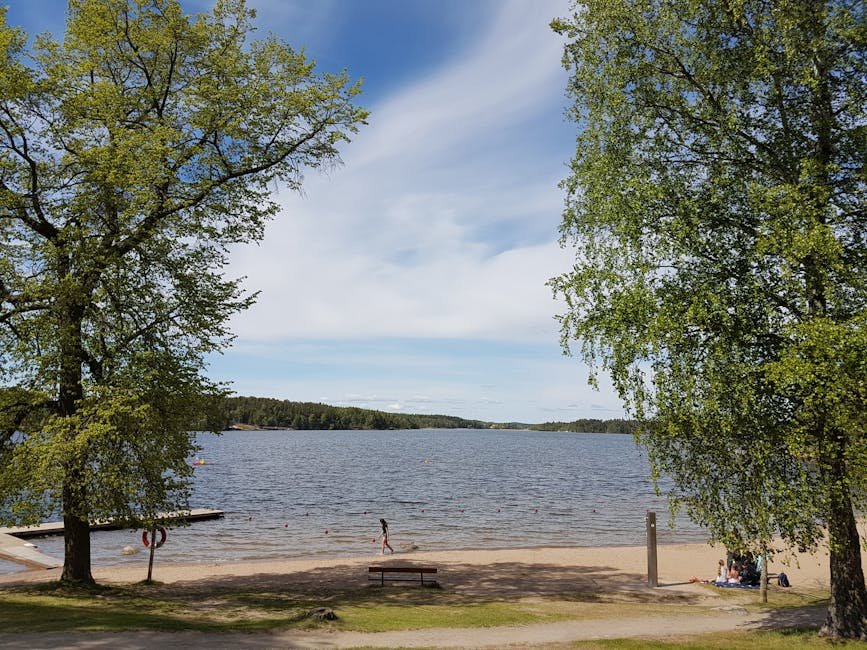
Summer day at a lakeside beach in Stockholm, Sweden. Tranquil water, clear sky.

Stockholm's Djurgården Park

A vast green oasis perfect for picnics, bike rides, and visits to family-friendly attractions like Skansen open-air museum and the Vasa Museum, where kids can marvel at a 17th-century warship. The fresh pine scent and distant water lapping make it a sensory delight.

I remember our day at Copenhagen's Experimentarium, a science museum where my 7-year-old conducted experiments and my 11-year-old couldn't get enough of the augmented reality exhibits. The smile on their faces, combined with the crisp Scandinavian air outside, made up for the plane delays and occasional toddler tantrum.

Good to Know

In Scandinavia, many attractions offer family passes. Denmark's Tivoli Gardens, for instance, has tickets around DKK 245 for adults and DKK 115 for kids (age 3-7). Also, check seasonal opening hours; museums may close earlier in winter.

Pros
  • Excellent family facilities and stroller-friendly transports
  • Safe, clean, and abundant green spaces
  • Highly interactive and educational museums
Cons
  • Higher cost of living; meals can be pricey (€15–€25 per adult meal)
  • Weather can be cold and wet outside peak summer months

Seasonal Differences and Budgeting Your Trip

When and how to visit for the best family experience (and wallet survival).

Spring and early autumn are golden for family travel in Europe. Crowds are milder, temperatures comfortable, and prices manageable. Summer is tempting but expect higher hotel rates and families everywhere, which can wear on patience. Winter offers festive markets and cozy atmospheres but demands warm gear and flexible plans.
Budget-wise, Scandinavia is the priciest of the bunch. Expect to spend around €150–200 per day on meals for a family of five, but many grocery stores sell ready-to-eat meals that are both tasty and toddler-friendly. Southern Europe offers more affordable dining and accommodation options, but you trade off that family ease and infrastructure.
RegionBest SeasonAverage Daily Cost (Family of 5)Kid-Friendly Rating (1-5)
ScandinaviaMay-June & Aug-Sept€2005
Western Europe (France, Germany)April-June & Sept€1504
Southern Europe (Italy, Spain)April-May & Sept-Oct€1203.5

Final Thoughts: Embrace the Chaos, Capture the Moments

A seasoned dad's reminder that no itinerary survives contact with kids-but that's the fun.

Travel with kids is unpredictable. We've gotten lost in Venice alleys, missed trains in Paris, and had an unexpected downpour soak our picnic plans in Amsterdam. But these moments, fraught with whining or detours, always turned into stories my kids tell with laughter years later.
If you prepare thoughtfully, think nap schedules, snack supplies, and flexible restaurant choices, and choose destinations with families in mind, Europe opens up like a lively classroom and playground all at once. Scandinavia may surprise you with its balance of adventure and calm, but every region offers unique treasures.
Pack patience, bring layers, and don't forget your camera. The chaos will be worth it.
"Traveling with kids is not about perfect plans; it's about perfect memories made in imperfect moments." – Tom Eriksson

Tom Eriksson

Travel Editor at Vitano Magazine
You might also enjoy

Solo Female Travel in Southeast Asia: An Honest Safety Guide
Travel Tips5 min

Solo Female Travel in Southeast Asia: An Honest Safety Guide

Three years, four countries, countless memories-and yes, moments of uncertainty too. If you’re a woman thinking about backpacking through Thailand, Vietnam, Cambodia, or Indonesia, I get the swirl of excitement and nerves you’re feeling. This guide is my honest take on what’s really dangerous, what’s blown out of proportion, and how you can trust your instincts to keep you safe and thriving.

PS
Priya Sharma
12/03/2025
Why Is the Sky Bluer in Greece? The Science of Mediterranean Light
Travel Tips4 min

Why Is the Sky Bluer in Greece? The Science of Mediterranean Light

Since the 19th century, painters and seekers of light have been drawn to Greece, captivated by its uniquely vivid sky. But what is it about the Greek atmosphere that transforms the ordinary into something almost surreal? From the physics of Rayleigh scattering to the whitewashed walls of Santorini amplifying reflections, I delve into the interplay of nature and culture that shapes the Mediterranean light and explore why sunsets here feel genuinely different from those in London or other northern climes.

YT
Yuki Tanaka
06/02/2025
One Bag, Any Trip: The Art of Packing Light
Travel Tips1 min

One Bag, Any Trip: The Art of Packing Light

I remember standing in my tiny hostel room in Chiang Mai, Thailand, staring at my overloaded suitcase bursting at the seams. I had planned a three-week trip through Southeast Asia, but I was weighed down by clothes I didn’t wear, gadgets I never used, and toiletries that spilled everywhere. That’s when I vowed to master the art of packing light. Traveling with just a 30L backpack, no matter the climate or trip length, is not only possible but liberating. Here’s how you can do it too-without missing a thing.

PS
Priya Sharma
05/06/2025