Vietnamese Coffee Culture: A Slow Drip from Hanoi to Saigon

Vietnamese Coffee Culture: A Slow Drip from Hanoi to Saigon

Yuki Tanaka

November 28, 2025

4 min read· 58 views
There are places where time pools like honey in a cup, where the weight of history settles into your hands with each sip. Vietnam's coffee culture flows through its cities and highlands like a river that has carved deep channels through generations, carrying stories of adaptation, creativity, and quiet resilience. Here, coffee becomes a meditation, a practice of presence that mirrors the unhurried rhythm of streets where morning light filters through ancient trees.

Hanoi's Egg Coffee: A Creamy Embrace

Discovering a northern tradition that's as much about comfort as caffeine
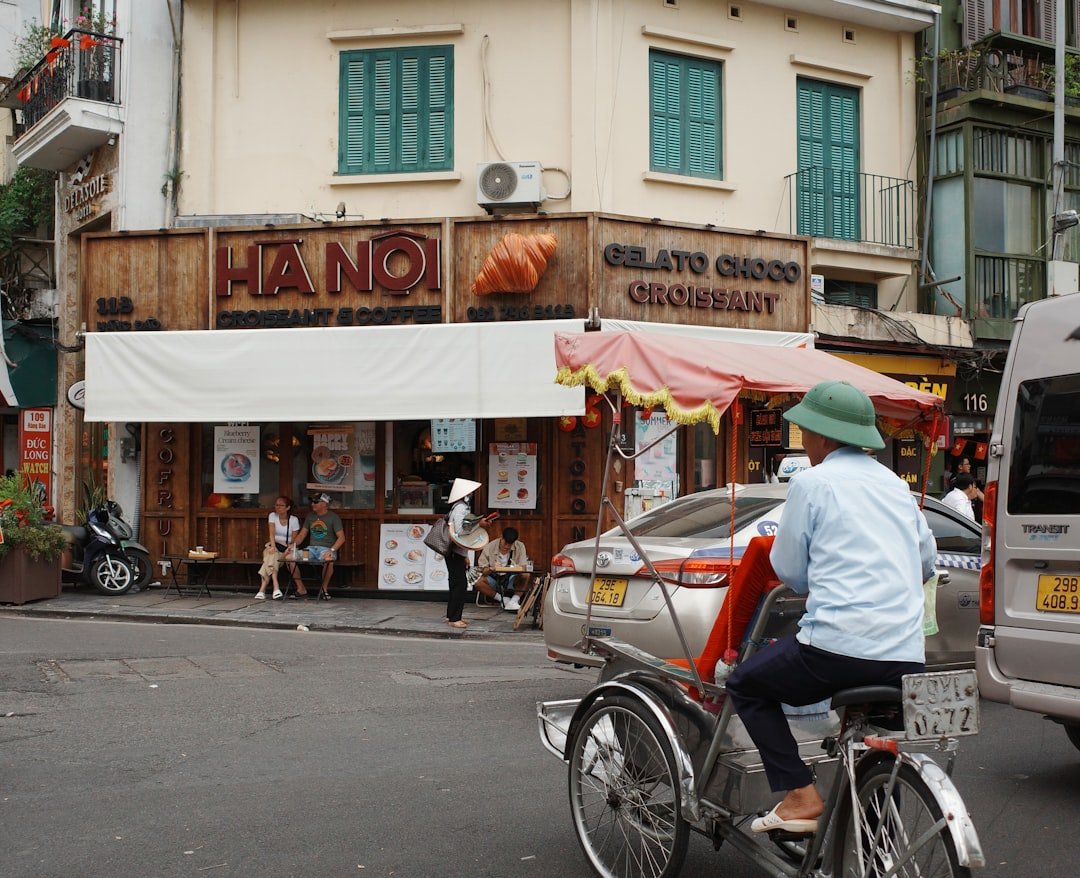
Egg coffee, or cà phê trứng, traces its roots back to the 1940s when milk was scarce. A creative bartender at the historic Giang Café on Nguyễn Hữu Huân Street crafted this indulgent drink that turned necessity into art. The café still operates today, where a cup costs around 50,000 VND (about $2.15 USD) and the hours from 7 AM to 10 PM give you plenty of time to slide into the slow rhythm of Hanoi mornings or evenings.
Street scene in hanoi with a cyclo driver.

Giang Café, Hanoi

A small, dimly lit space on Nguyễn Hữu Huân Street serves the original egg coffee, where frothy layers meet the aroma of dark roast beans.

Plan your trip with AI

Turn inspiration into a real itinerary. Plan day-by-day routes, find the best spots, and share with friends.

One afternoon, I mispronounced 'cà phê trứng' and was met with a smile and a gentle correction from the owner, which made me feel part of a quiet tradition that values patience and hospitality as much as the coffee itself.

Coconut Coffee in Hoi An: A Tropical Sweetness

A refreshing sweetness that mirrors the coastal charm
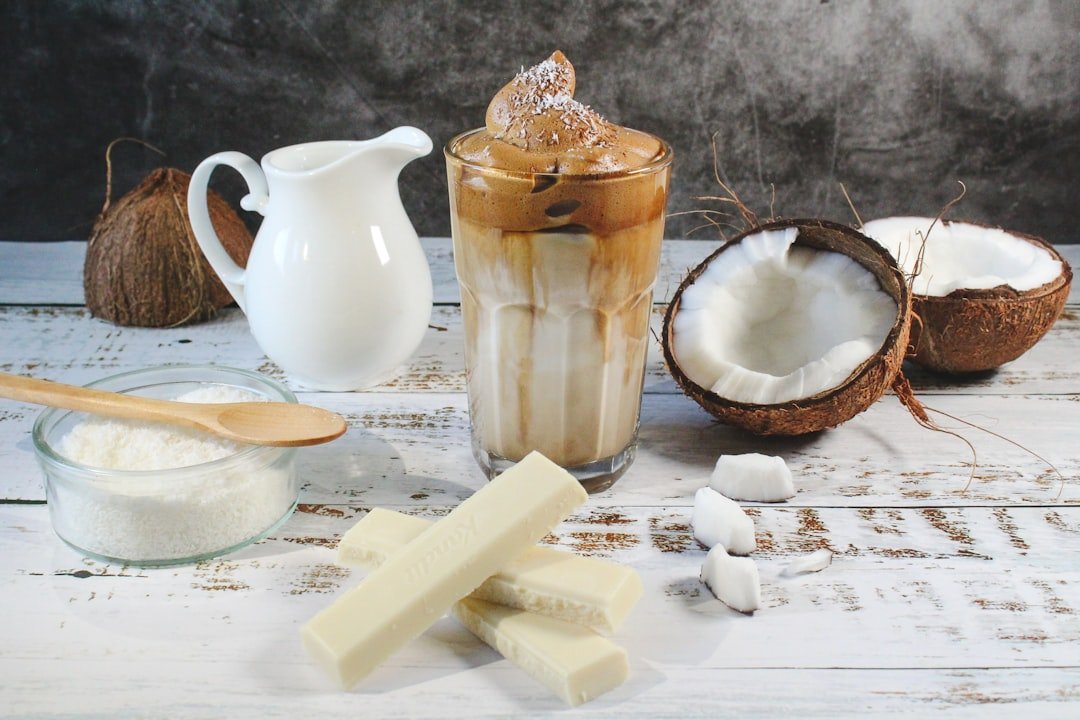
Heading south to Hoi An, the coffee culture sweetens with coconut. Served cold or iced, this drink combines robusta coffee with creamy coconut milk and crushed ice (a perfect foil for the humid, sun-drenched afternoons). On a stone-paved street near the Thu Bon River, I found a modest café where locals gathered, sipping their coconut coffee while the scent of jasmine and saltwater mingled in the air.
white ceramic pitcher beside clear glass pitcher on brown wooden table

Hoi An Riverside Café

An open-air spot near the river offers a cool retreat with coconut coffee, where conversations drift like the gentle river breeze.

Good to Know

Coconut coffee is best enjoyed between March and September, when the weather is warmest. A glass costs about 40,000 VND ($1.70 USD). Try visiting early morning or late afternoon to avoid the midday heat.

The coconut milk's natural sweetness softens the robusta's bitterness, creating a balanced harmony that feels like a tropical lullaby in a cup. It's a reminder that Vietnamese coffee culture is not just about strength but also about subtlety and adaptation to region and climate.

The Central Highlands: Where the Coffee Roots Grow Deep

Exploring the robusta plantations that fuel Vietnam's coffee boom
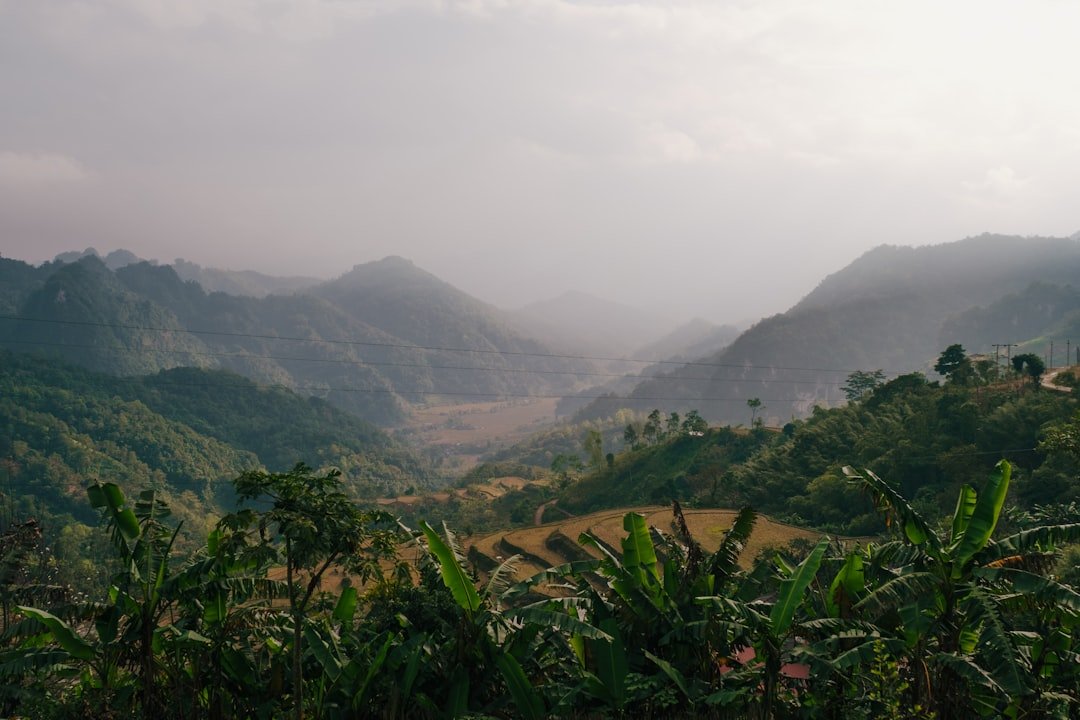
The journey to Vietnam's coffee heartland takes you to the Central Highlands. Đắk Lắk province, where endless rows of coffee trees ripple across hillsides like dark waves. It's here that Vietnam cultivates its world-famous robusta beans, known for their full-bodied, earthy flavor and higher caffeine content compared to arabica.
a view of a valley with mountains in the background

Robusta Plantations, Central Highlands

Vast plantations on rolling hills, where farmers tend to coffee plants that power a nation's caffeine cravings.

Visiting a farm near Buôn Ma Thuột, I watched workers hand-pick ripe coffee cherries under the afternoon sun. The air smelled of fresh earth and green leaves, punctuated by bursts of sweet fruit aromas. The farmers shared stories of generations who have passed down knowledge of harvesting and roasting, a tradition that blends nature and culture in every cup.

Did you know?

Vietnam is the world's second-largest coffee producer, responsible for nearly 1.8 million tons annually, with robusta making up over 90% of its output.

Despite the scale, the Central Highlands maintain a slow, deliberate process. The beans are often sun-dried, then roasted in small batches, preserving a depth and complexity that surprises many first-time drinkers accustomed to cheaper instant blends.

From North to South: The Slow Drip of Vietnamese Coffee Culture

How a nation breathes life into every cup

Vietnamese coffee culture invites a slower pace, a mindful sipping that appreciates the layers of history, geography, and human care steeped in each cup. Whether it's the egg coffee's creamy hug in Hanoi, the coconut coffee's cool softness in Hoi An, or the earthy robusta from the Central Highlands, coffee here is more than caffeine. It's a way of being.

Essential Tips for Exploring Vietnamese Coffee

  • 1

    Visit early or late - cafes in Hanoi and Hoi An fill quickly; mornings and evenings offer a calmer experience.

  • 2

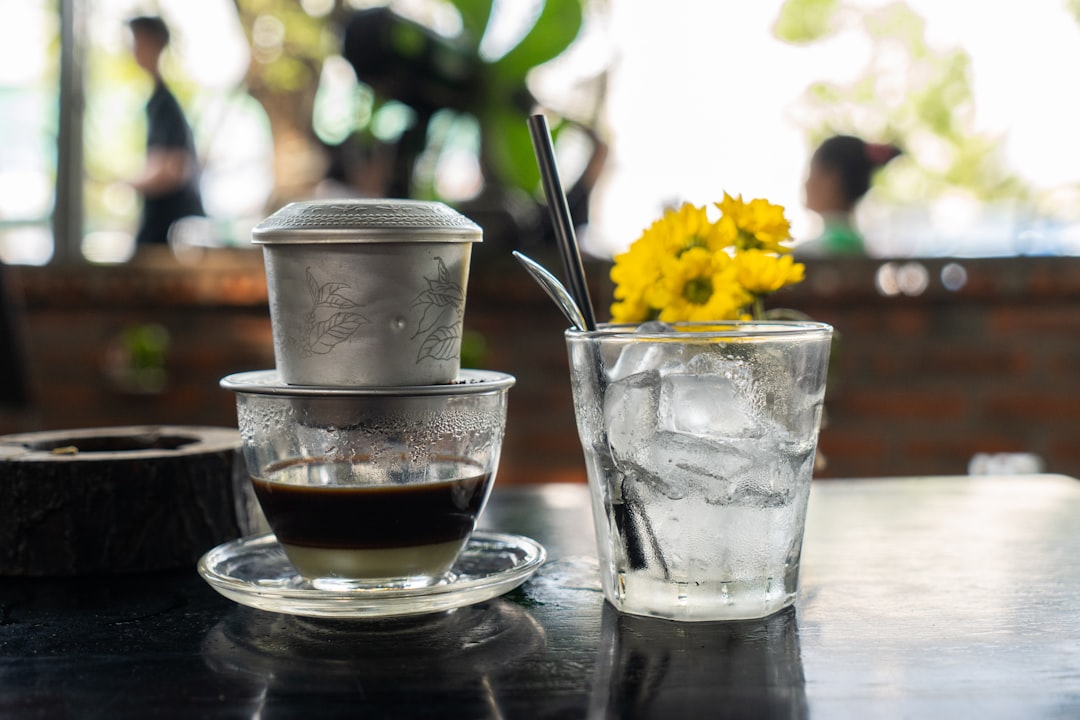
    Try the drip - order cà phê phin (Vietnamese drip coffee) to taste coffee in its most traditional form.

  • 3

    Learn a few phrases - simple words like 'Cà phê' (coffee) and 'Ngon lắm' (very delicious) go a long way.

  • 4

    Explore the Central Highlands - if time allows, visit Buôn Ma Thuột for a farm tour to witness coffee cultivation firsthand.

  • 5

    Mind the weather - rainy season (May to October) can affect travel plans but brings lush landscapes.

RegionSpecialty DrinkPrice (VND)Best Time to Visit
HanoiEgg Coffee (Cà phê trứng)50,000 (~$2.15)October to March (cooler months)
Hoi AnCoconut Coffee40,000 (~$1.70)March to September (warm season)
Central HighlandsFresh Robusta Beans & Farm ToursVaries (~200,000 for tours)December to April (dry season)

Good to Know

Most street cafés accept cash only; having small denominations of Vietnamese đồng (VND) is helpful. Also, Vietnamese coffee is usually served strong and sweetened with condensed milk-feel free to ask for adjustments.

The slow drip of Vietnamese coffee culture deeply resonates with my own love of mindful travel. Each cup demands presence, patience, and openness to new textures and flavors. It's an invitation to lean into the moment, to breathe in the scents of aged wood, fresh rain, and roasted beans, and to connect with a people whose warmth infuses every sip. If you find yourself wandering Vietnam's streets, I urge you to take that pause (to order a cup, listen, and let the slow drip of coffee guide your journey).

Yuki Tanaka

Travel Editor at Vitano Magazine
You might also enjoy

The Spice Routes: How Pepper Changed the Map of the World
Food & Culture4 min

The Spice Routes: How Pepper Changed the Map of the World

Before Columbus sailed west, before Vasco da Gama rounded the Cape of Good Hope, the world was already intertwined by the scent of spices-especially pepper. These aromatic commodities didn’t just flavor food; they reshaped empires, sparked wars, and redrew the globe. Join me on a journey tracing the footsteps of traders, explorers, and conquerors across time and space, from the bustling spice markets of Kochi to the fragrant isles of the Moluccas and the historic bazaars of Zanzibar. This is a story where history smells as potent as the spices themselves.

NP
Nadia Petrova
12/15/2025
Oaxaca: Mezcal, Mole, and the Soul of Mexican Cuisine
Food & Culture4 min

Oaxaca: Mezcal, Mole, and the Soul of Mexican Cuisine

Ever wondered where the world’s most complex cuisine is born? I’m talking seven types of mole, artisanal mezcal that’ll warm your soul, and street snacks that hit you right in the feels. Oaxaca, mate, is where Mexico’s food spirit comes alive. Join me on this messy, smoky, delicious road trip through markets, distilleries, and street corners where every bite tells a story.

DV
Diego Vargas
11/11/2025
Georgia's Wine Revolution: 8,000 Years of Qvevri Tradition
Food & Culture4 min

Georgia's Wine Revolution: 8,000 Years of Qvevri Tradition

I remember stepping into a cool, dim wine cellar in Kakheti, where ancient clay vessels rested buried underground, their rounded bodies whispering secrets of millennia. Georgia’s wine story isn’t just about grapes; it’s a living tradition woven into every Georgian family’s soul, where the old meets the new in a glass of amber orange wine.

NP
Nadia Petrova
10/18/2025