Svaneti: Georgia's Mountain Kingdom of Medieval Towers

Svaneti: Georgia's Mountain Kingdom of Medieval Towers

Nadia Petrova

August 2, 2025

5 min read· 59 views
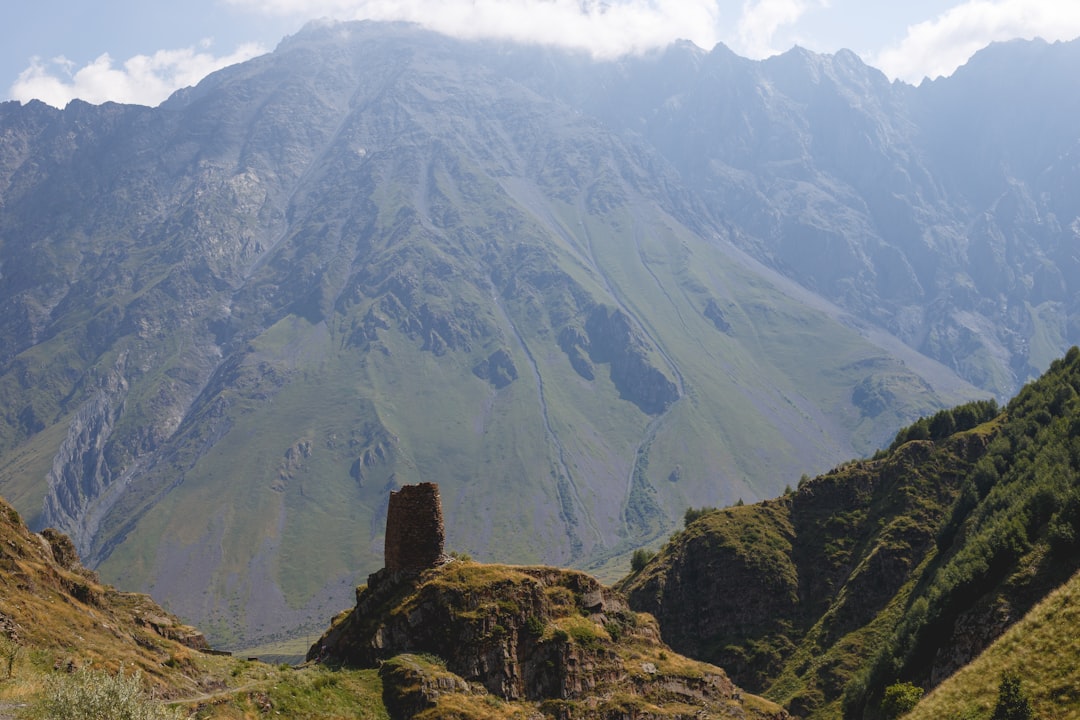
In the 9th century, when mountain clans first began stacking stones skyward in defense against raiders, they could hardly have imagined their fortress-homes would outlast empires. Today, stepping off the dusty bus in Mestia, you find yourself surrounded by these same stone sentinels-over 200 medieval towers still standing in Upper Svaneti, their thick walls and narrow archer windows testament to centuries of mountain warfare. These defensive structures, known locally as svaneti towers, remain the heartbeats of this remote region in northwestern Georgia, where modern travelers now walk the same cobbled paths once trodden by medieval warriors.

A Fortress of History: The Medieval Towers of Svaneti

Guardians of a Mountain Kingdom

Svaneti's towers were built roughly between the 9th and 12th centuries, during times of clan conflicts and frequent raids. Each family constructed its own defensive tower, often rising four to five stories, with narrow windows for archers and thick stone walls to repel invaders. Surprisingly, these towers were not only military structures but also homes where generations lived and thrived.

Did you know?

There are over 200 medieval stone towers still standing in Upper Svaneti, many of which remain privately owned and inhabited.

Plan your trip with AI

Turn inspiration into a real itinerary. Plan day-by-day routes, find the best spots, and share with friends.
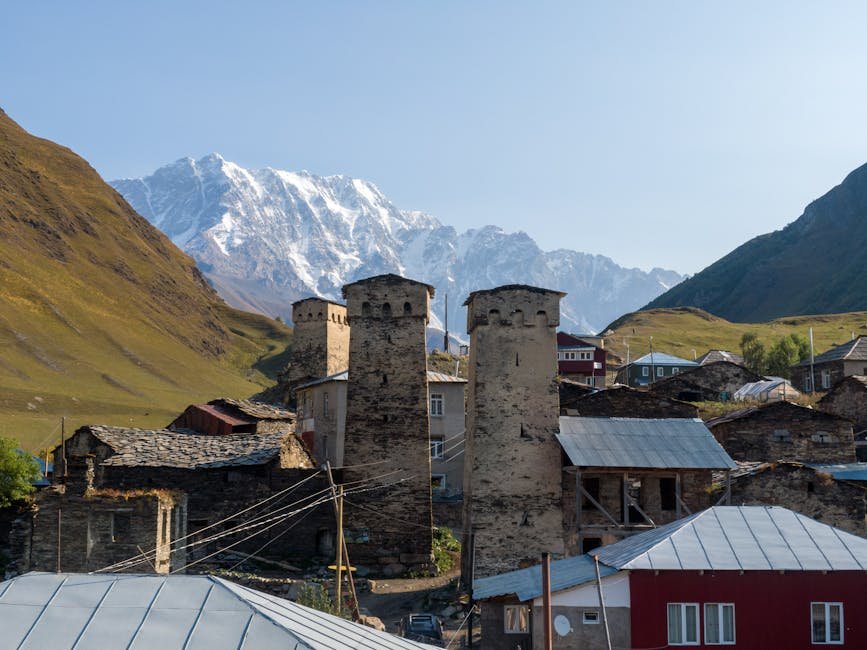
Walking through the villages of Mestia and on to Ushguli, you can't help but feel the weight of centuries beneath your boots. The pathways are narrow, often cobbled, winding between the towers. Some lean precariously like they might topple; others stand stoically upright. I got lost on one such path, accidentally stumbling into a small courtyard where an elderly woman was drying freshly baked puri bread on a wooden rack. She offered me a piece, still warm and fragrant with smoky notes from the oven. Moments like these make the journey remarkable.
Svan towers in Ushguli, Georgia, set against the scenic Caucasus Mountains.

Ushguli: Europe's Highest Inhabited Settlement

At approximately 2,100 meters above sea level, Ushguli is a cluster of four villages famous for their concentration of medieval towers and stunning glaciers. Walking here, the air is thinner, colder, and charged with history. The paths are quiet, often just the soft crunch of your boots on gravel and the distant bleating of mountain sheep.

Reaching Ushguli took me a full day of trekking, mostly on well-marked trails that thread through wildflower meadows and alongside icy streams. The landscape changes with every step, from dense pine forests near Mestia to alpine tundra near Ushguli. I was fortunate to visit in late June, just as the snow had melted and the region was blooming. Even in peak summer, you can expect chilly mornings and evenings, so layers are essential.

Living Traditions: Guesthouses, Wine, and Warm Hospitality

Modern Comforts Amidst Ancient Stones

One of the greatest pleasures of this trek is staying in family-run guesthouses. I stayed in a cozy homestay in Zhabeshi village, where the hosts served me chacha (a potent local grape brandy) and homemade chvishtari, a cornbread stuffed with cheese. Hospitality here is genuine and unpretentious. The owner, Gela, invited me to help stomp grapes in the backyard, a centuries-old tradition preserved with pride.

Essential Tips for Trekking Svaneti

  • 1

    Book accommodations in advance - Guesthouses are limited, especially in Ushguli. Contact hosts through platforms like Airbnb or local tourism offices.

  • 2

    Pack layers - Mountain weather is unpredictable. Include waterproof gear and warm clothes even in summer.

  • 3

    Carry cash in GEL - Credit cards are rarely accepted; ATMs outside Mestia are scarce.

  • 4

    Respect local customs - Svaneti is deeply traditional. Ask permission before photographing homes or people.

  • 5

    Hire a local guide if unsure - Trails can be confusing for first-timers, especially in bad weather.

Good to Know

The best time to visit Svaneti is from late May to September. Winters bring heavy snowfall, cutting off road access and making trekking challenging, but the region turns into a spectacular snowy kingdom.

SeasonWeatherAccessibilityTypical Cost (per day)
Summer (June–Aug)Mild, 10–20°CRoads and trails clear120–150 GEL (guesthouse + meals)
Spring (Apr–May)Cool, variableSome trails muddy100–130 GEL
Autumn (Sep–Oct)Cooler, dryGood access110–140 GEL
Winter (Nov–Mar)Cold, snowyLimited access150+ GEL (special arrangements)

From Mestia to Ushguli: The Trekking Route

Following Ancient Paths Through Time
The trek from Mestia to Ushguli spans roughly 20 kilometers and can be completed in one long day or two relaxed days with stops. On foot, you pass through several villages, including Zhabeshi and Murkmeli, each with its own towers and customs. The trail is well marked by Georgian Tourism, and in places, GPS tracks are available, but a local guide adds depth to the experience.
Public transport between Mestia and Ushguli is rare and often unreliable, especially in bad weather. Shared minivans (marshrutkas) sometimes operate in summer, costing around 15 GEL one way, but schedules are irregular. Many travelers prefer hiring a 4x4 vehicle. Prices for a round trip hover around 150 GEL, negotiable if you book through your guesthouse.
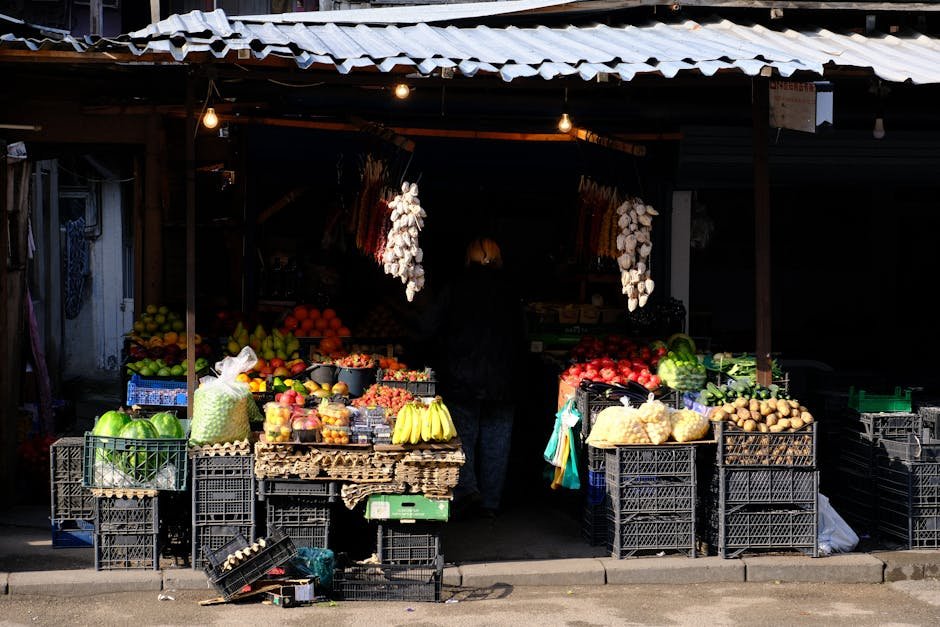
Colorful outdoor market stall in Georgia displaying fresh fruits and vegetables under a rustic roof.

Mestia's Streets and Local Markets

Mestia itself is a small town with cobbled streets lined with souvenir shops, cafes, and museums. The Svaneti Museum of History and Ethnography on Chavchavadze Street offers fascinating exhibits on the region's towers, weapons, manuscripts, and religious artifacts.

I recall wandering through Mestia's Saturday market, where fresh herbs, honey, and wild mountain berries are sold alongside wooden crafts. I accidentally mixed up the Georgian word for 'blackberry' (miskhilebi) with 'blackberry jam' (miskhildzveli) and ended up with a jar of both! The vendors, amused, insisted I taste their homemade churchkhela: strings of grape juice and nuts dried into chewy candy, a Svaneti specialty.

Svaneti's Place in the Silk Road Legacy

Trade, Culture, and Isolation

As a historian of the Silk Road, Svaneti fascinates me not just for its towers but for its role as a mountain crossroads. While not on the main caravan routes, it served as a vital link between the Black Sea and the Central Asian plateaus, facilitating the exchange of goods like furs, salt, and metalwork. Its isolation preserved unique linguistic and cultural identities; the Svans speak their own Kartvelian language variant and maintain time-honored customs.
"The towers of Svaneti stand not only as fortifications but as testimonies to the resilience and ingenuity of mountain communities." – Dr. Levan Mikeladze, Georgian Historian
Although modernity creeps in slowly, Svaneti's tenacity is evident in the sturdy towers and the locals who still welcome strangers with warmth and pride. It is a living museum where stones and stories intertwine.
Pros
  • Uncrowded trekking routes and authentic cultural encounters
  • stunning mountain scenery with rich biodiversity
  • Unique medieval architecture rarely seen elsewhere in Europe
Cons
  • Limited infrastructure and occasional spotty mobile coverage
  • Weather-dependent access, especially outside summer months
  • Language barriers; English is not widely spoken
Lamaria Guesthouse
4.7

Family-run homestay in Ushguli with traditional meals and rustic charm

70 GEL per nightUshguli village center
Hotel Old Svaneti
4.5

Comfortable lodging in Mestia with mountain views and local wine tastings

100 GEL per nightChavchavadze Street 24, Mestia
Leaving Svaneti was bittersweet. I carried back with me the scent of pine, the taste of wild honey, and the sight of towers silhouetted against sunset skies. For anyone seeking to walk paths where history breathes in the stones and silence speaks volumes, Svaneti awaits. Its kingdom of towers stands quietly, beckoning the curious traveler willing to journey off the beaten track.

Nadia Petrova

Travel Editor at Vitano Magazine