Kayaking Norway's Lofoten Islands: Paddling Under the Midnight Sun

Kayaking Norway's Lofoten Islands: Paddling Under the Midnight Sun

James Chen

July 3, 2025

5 min read· 61 views
The dream starts the moment you launch from a pebble beach near Å, the westernmost village in Lofoten. The air is sharp with a salty tang, mixed with pine and the faintest scent of freshly smoked stockfish drying nearby. Around you, peaks like the Svolværgeita jut abruptly, their sharp ridges painted gold by endless sunlight. The water's cold bite on my fingers reminded me why layering was non-negotiable, but also how alive I felt. There's no better way to experience this archipelago than from a kayak's low vantage point (close enough to hear the chuckle of seabirds and the slap of waves against wooden boats tied to weathered docks).

Why Kayaking the Lofoten Islands?

Beyond the postcard vistas and into the heart of Arctic adventure

Lofoten is famous for its dramatic peaks, sheltered bays, and fishing villages that seem unchanged since the Viking era. Kayaking here offers access to places cars can't reach: hidden coves, deserted beaches, and the chance to spot sea eagles swooping overhead or playful otters weaving between the waves. The Midnight Sun from late May to mid-July means you can paddle long into the night with perfect visibility. But it's not just about the views. The challenge of navigating fjords, open sea crossings, and variable weather demands respect and preparation.
“
"I remember paddling into a narrow channel and discovering the haunting remains of an old fishing station, its weathered timber posts still standing guard over the entrance. The silence was profound, broken only by the gentle lapping of waves against ancient stone foundations. That's the kind of unexpected magic Lofoten offers."

Plan your trip with AI

Turn inspiration into a real itinerary. Plan day-by-day routes, find the best spots, and share with friends.

Planning Your Route

Multi-day loops and must-see stops
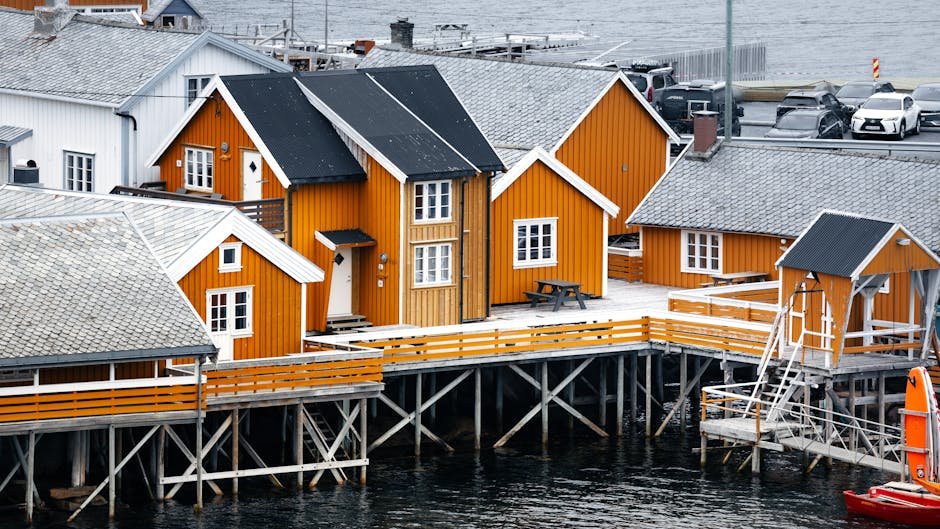
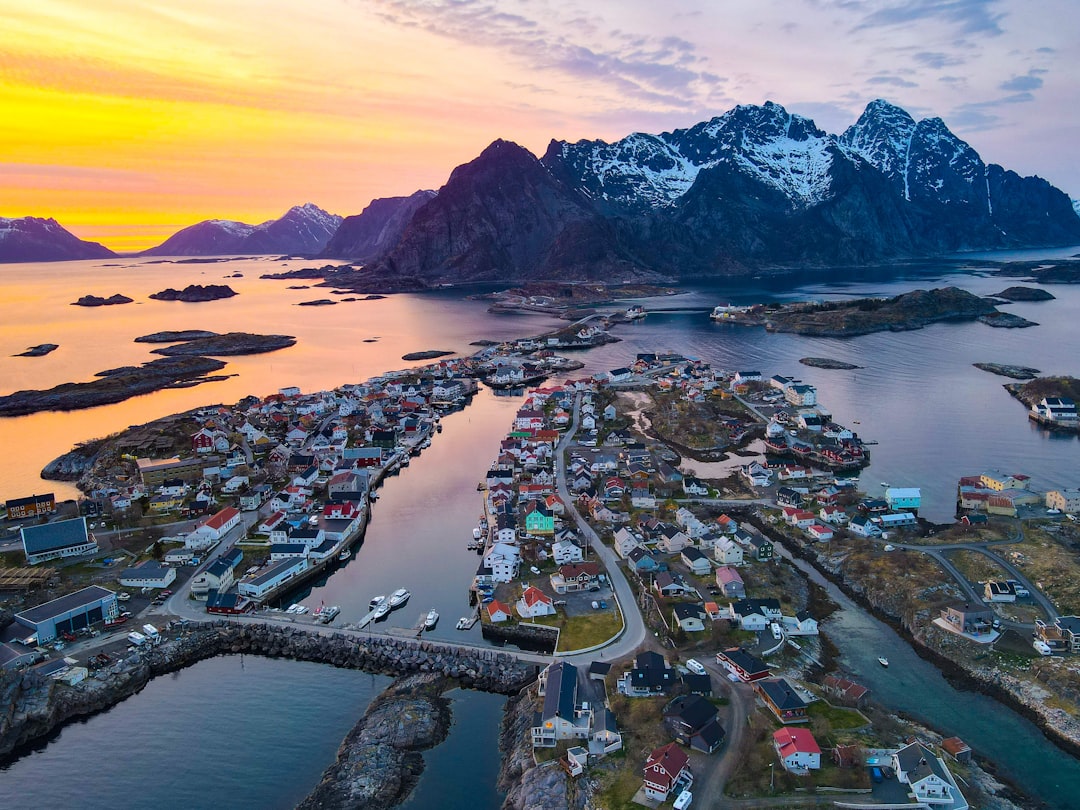
For a classic loop, start in Svolvær, the largest town with kayak rentals and shops on Storgata street. Paddle southwest toward Henningsvær, the 'Venice of Lofoten', crossing sheltered straits dotted with tiny islets. From there, head west to Reine, arguably the most photographed village in Norway. The jagged peaks of the Reinebringen trail tower above colorful red and yellow fishermen's cabins, or rorbuer. Continue south to Å, then loop back northeast via Moskenesøya's fjords. This route totals about 70 kilometers and can be done in 4-5 days at a moderate pace. Each day offers safe camping spots on beaches and small inlets.
Vibrant orange wooden houses on stilts by the sea in a Norwegian village.

Reine Village Waterfront

Colorful rorbuer cottages set against towering granite peaks, perfect backdrop after a day's paddle.

Weather here can flip fast. Mornings might greet you with calm seas and a mirror-smooth fjord, but afternoon winds sweep across the islands. Always check local forecasts through the Yr.no app and ask at local kayak shops for the latest conditions. I learned this the hard way when I underestimated a midday shift and found myself paddling against a stiff headwind near Vestvågøy.

Gear Up for Arctic Paddling

What I packed - and what you shouldn't leave behind

Layering is key: a moisture-wicking base layer, an insulating fleece, and a waterproof breathable shell. My drysuit was a lifesaver given the cold water temps (8-12°C). Bring a neoprene glove liner and booties to protect your hands and feet during longer paddles. A reliable spray skirt keeps you dry, while a kayak with good stability helps on rougher crossings. Don't skimp on a GPS and waterproof maps; cell signal can be patchy. I also packed a lightweight stove, tent rated for wind, and plenty of high-calorie snacks like lefse (soft Norwegian flatbread) and brown cheese.

Essential Tips for Kayaking Lofoten

  • 1

    1. Check tide tables and weather - Tides affect currents in narrow channels; plan crossings accordingly.

  • 2

    2. Book rorbuer in advance - If you want to mix camping with cozy stays, many cabins fill up quickly in summer.

  • 3

    3. Respect wildlife - Keep distance from nesting sea birds and seals; don't disturb resting otters.

  • 4

    4. Layer up - Temperatures can drop rapidly after sunset despite the sun being up; thermal layers are a must.

  • 5

    5. Pack a dry bag for electronics - Saltwater is unforgiving; keep cameras and phones protected.

Did you know?

During the peak of the Midnight Sun, Lofoten experiences up to 24 hours of daylight from May 26 to July 15, offering unparalleled paddling hours.

Wildlife Encounters

From sea eagles to orcas

Lofoten's waters are alive with creatures both above and below the surface. Sea eagles wheel overhead, their massive wingspans casting fleeting shadows on the waves. I once spotted an orca pod breaching just beyond a small island near Moskenes. Seals peek curiously from granite outcrops, and if you're lucky, you might even catch glimpses of white-tailed eagles or humpback whales during migration seasons. The best wildlife sightings happen early morning or late evening, when animals are most active.

Where to Camp

Beach spots with a view

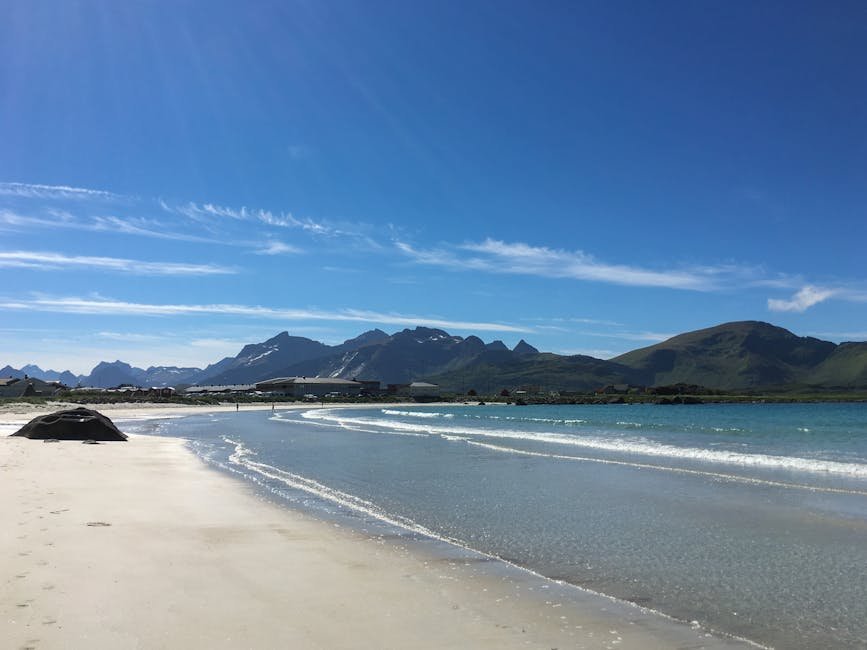
Camping along Lofoten's beaches is a magical experience but demands respect. The islands have a right-to-roam policy, so wild camping is allowed, but always at least 150 meters from houses or cabins. I found a perfect campsite on the white sands of Ramberg Beach, with crashing surf on one side and towering cliffs on the other. Wind protection is crucial; bring sturdy stakes and consider windbreaks from driftwood. Fire pits aren't common due to fire risk, so plan meals accordingly.
Sunny beach scene in Ramberg, Norway with mountains and clear blue skies.

Ramberg Beach Campsite

Soft white sands and sheltering cliffs make for an idyllic overnight spot.

Good to Know

Local laws prohibit open fires except in designated areas, so carry a portable stove. Also, be mindful of fragile Arctic flora and pack out all trash.

SeasonAverage Temperature (°C)Water Temperature (°C)Daylight HoursCrowds & Pricing
May5-126-818-24Moderate crowds; kayak rentals ~800 NOK/day
June10-168-1024 (Midnight Sun)High season; prices peak
July12-1810-1224 (Midnight Sun)High season; best weather, busy
August10-1512-1418-12Less crowded; prices drop
Svolvær Kajakk
4.7

Top kayak rental and guided tours on Storgata 36, Svolvær

700-1000 NOK/dayStorgata 36, 8300 Svolvær
Reine Rorbuer
4.8

Traditional fishermen cabins with kayak storage and local food

1200-1800 NOK/nightReine, Moskenes Municipality
Ramberg Camping
4.5

Beachside camping with facilities and equipment rental

250 NOK/nightRambergveien 1, Flakstad
Pros
  • Unparalleled natural beauty with dramatic fjords and peaks
  • Midnight Sun allows extended paddling hours
  • Rich wildlife sightings including sea eagles and orcas
  • Access to remote beaches and Viking historical sites
Cons
  • Weather can be unpredictable and windy
  • Cold water temperatures require technical gear
  • High season can be crowded and expensive
  • Limited infrastructure in remote camping areas
Getting to Lofoten is straightforward: fly into Evenes Airport (EVE) near Harstad, about a two-hour drive to Svolvær, or take the express boat from Bodø during summer months. Accommodations fill fast, so book kayak rentals and cabins early, especially if visiting in June or July. Budget-wise, expect to spend around 800-1000 NOK daily for rentals and 300-1500 NOK per night for lodging or camping fees.
On my final paddle day, as the sun hovered low yet bright, I realized Lofoten defies the usual day-night rhythm. Time pools into an endless golden shimmer. Kayaking here is about more than crossing water; it's about connecting with a landscape that refuses to be tamed, where every stroke matches a heartbeat of raw wilderness.
If you're craving Arctic adventure with a side of Viking history and remarkable landscapes, Lofoten awaits.

James Chen

Travel Editor at Vitano Magazine
You might also enjoy

Surfing Portugal's Silver Coast: From Ericeira to Nazaré
Adventure4 min

Surfing Portugal's Silver Coast: From Ericeira to Nazaré

If you’re chasing waves in Europe, Portugal’s Silver Coast is where it’s at. From beginner-friendly breaks to some of the world’s gnarliest big waves, this stretch between Ericeira and Nazaré offers a raw, salty ride alongside charming fishing villages, lively surf camps, and an endless Atlantic soundtrack. Pack your board, mate - we're hitting the road and the water!

DV
Diego Vargas
04/21/2026
Via Ferrata in the Dolomites: A Beginner's Guide to Iron Paths
Adventure4 min

Via Ferrata in the Dolomites: A Beginner's Guide to Iron Paths

At 2,500 meters above sea level, clipped into steel cables with nothing but a harness and your wits between you and a steep drop, the Dolomites’ via ferrata roads offer a raw, exhilarating taste of alpine adventure. Whether you're a first-timer or a hardened climber, navigating these iron paths rewards you with vertigo-inducing views, adrenaline jolts, and an unforgettable connection to the mountains. I’ve done 12 via ferratas here; this guide cuts through the hype with real-world insights on the best routes, gear rentals, rifugio stays, and what to expect when you sign on for your first climb.

MB
Marcus Berg
04/21/2026
Diving the Cenotes: Mexico's Underwater Cathedral
Adventure5 min

Diving the Cenotes: Mexico's Underwater Cathedral

Mate, if you ever find yourself cruising through Mexico’s Yucatán Peninsula and you’re craving a dive unlike any other, the cenotes are calling your name. These crystal-clear freshwater caves aren’t just beautiful; they’re a peek into ancient Mayan mythology and a playground for adventurers like me. I spent weeks exploring them, and honestly, every splash felt like entering an underwater cathedral carved by time.

DV
Diego Vargas
12/18/2025