The Digital Nomad's Guide to Lisbon: Work, Surf, Repeat

The Digital Nomad's Guide to Lisbon: Work, Surf, Repeat

Diego Vargas

September 15, 2026

5 min read· 8 views
Ever tried to answer emails while sand is still stuck between your toes? Mate, that's basically the Lisbon digital nomad experience in a nutshell. This Portuguese capital serves up the perfect combo: reliable WiFi, world-class waves, and coffee that'll keep you buzzing through those afternoon video calls. Honestly, once you taste that galão while watching Atlantic swells roll in, you'll wonder why you ever worked from anywhere else.

Why Lisbon Became Europe's Remote Work Capital

A blend of climate, culture, and connectivity

Honestly, Lisbon ticks so many boxes that it's no wonder remote workers flock here like seagulls to fresh fish. The weather is a solid 280 sunny days a year, which means you'll rarely be stuck indoors pecking at a screen. The cost of living is way more manageable than places like London or Paris (expect decent meals for €8-12 and monthly rent in affordable neighborhoods around €600-900 for a one-bedroom).

Did you know?

Lisbon ranks top 3 in Europe for fastest average public WiFi speeds, clocking in at 45 Mbps.

Plan your trip with AI

Turn inspiration into a real itinerary. Plan day-by-day routes, find the best spots, and share with friends.

Add to that a welcoming local scene where English is widely spoken, a buzzing startup ecosystem, and a timezone that syncs perfectly with most European and American clients, and you've got the perfect storm. Not to forget, visa-wise, Portuguese authorities are pretty chill with nomads, offering several long-stay visa options tailored for freelancers and entrepreneurs.

Good to Know

Portugal's D7 visa allows digital nomads with passive income or freelance income to stay up to one year, renewable. Application requires proof of income (~€600/month) and health insurance. Start early, it can take 2-3 months to process.

Best Neighborhoods for Nomads: Where to Base Yourself

Affordable, connected, and full of character

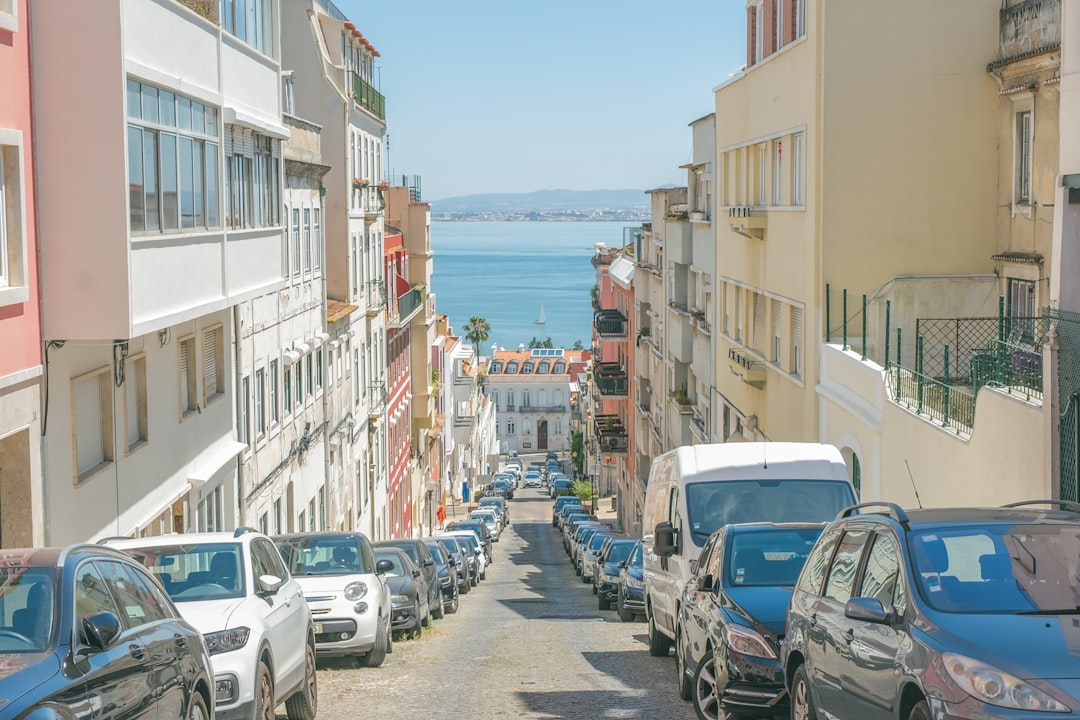
Lisbon's neighborhoods all have their own vibe, which can be a blessing and a curse. I kicked off in Intendente, a scruffy but up-and-coming area, with cool street art and €700 rents for a decent apartment. It's just a tram ride away from downtown chaos but peaceful enough after office hours. For those wanting more polished cafes and international crowds, Bairro Alto or Príncipe Real offer plenty of co-working spaces and green spots.
NeighborhoodAverage Rent (1BR)VibeTransport
Intendente€600-750Bohemian, emergingMetro, Tram
Alfama€700-900Historic, touristyTram, Bus
Bairro Alto€800-1000Lively, nightlifeMetro, Bus
Príncipe Real€850-1100Trendy, greenMetro, Bus
Parque das Nações€900-1200Modern, riversideMetro
My personal favorite? Cais do Sodré. It's where the city's cool kids hang out, with riverside views, buzzing markets, and a killer taco spot called "El Taco" right next to the ferry. The best part: you can finish work, hop on a ferry to Cacilhas, and be in the surf within 15 minutes.

Co-Working Spaces: Plug In and Power Up

Where to get serious work done without distractions

Alright, mate, if you're serious about work, Lisbon's co-working game won't disappoint. These spots are not just desks with wifi but hubs buzzing with energy and coffee aromas that smell like productivity. One of my go-to spots was "Second Home" in Principe Real. It's got plants everywhere, big windows that flood the space with light, and a café serving espresso shots that'll punch you awake without a hint of bitterness.
Second Home Lisbon
4.7

Bright, plant-filled space with flexible plans and a café serving excellent espresso.

€150/month for unlimited accessRua do Alecrim 14
Cowork Central
4.5

Located in Cais do Sodré, perfect mix of quiet zones and social areas, great for networking.

Day pass €15, monthly €120Rua da Cintura do Porto de Lisboa 9
Village Underground Lisboa
4.6

Creative space inside shipping containers; artsy, community-driven vibe.

Monthly memberships from €110Av. Brasília 89

Essential Tips for Working Remotely in Lisbon

  • 1

    1. Get a local SIM card - MEO and NOS offer great 5G data plans around €15-20/month, vital for backup internet.

  • 2

    2. Time your work hours - Shift your schedule to finish early, so you catch the evening surf and sunset.

  • 3

    3. Use the metro - Lisbon's metro lines connect you to most neighborhoods and surf spots efficiently and cheaply (€1.50 per ride).

Cafés with WiFi Worth Your Time

Sip, surf the web, and soak up the vibe

Sometimes you just don't want to sit inside a co-working space all day. Lisbon's coffee culture is strong, and plenty of cafés offer free WiFi with a chill atmosphere. I discovered "Copenhagen Coffee Lab" near Baixa during a productive afternoon session. The smell of freshly ground beans hit me like a warm hug, and the jazz in the background made hammering out emails oddly enjoyable.
Copenhagen Coffee Lab
4.6

Hip specialty coffee spot with reliable WiFi, perfect for focused work.

Coffee from €2.50Rua Garrett 36
Hello Kristof
4.5

Brunch spot with big tables and great WiFi, ideal for remote workers.

Brunch plate €8-12Rua da Boavista 2
Fabrica Coffee Roasters
4.7

Award-winning roaster with airy space and strong espresso.

Coffee from €2.20Rua das Portas de Santo Antão 136

Catch the Waves: Lisbon's Surf Scene

Best breaks just a short ride away

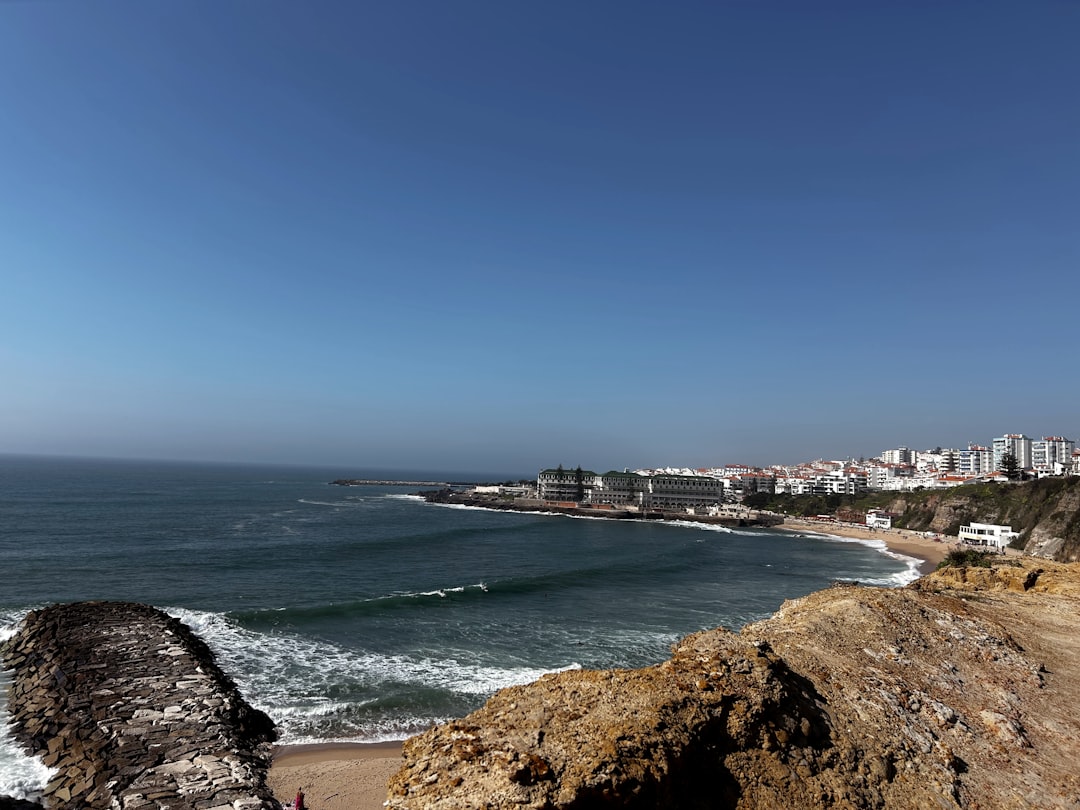
Now to the fun part: surfing! Lisbon's coastline offers killer waves for all levels. The most famous spot, Carcavelos Beach, is just 20 minutes by train from Cais do Sodré. The smell of saltwater and the sound of crashing waves will pull you away from your laptop faster than any deadline. I swear, the best workday reward is a sunset surf session here.
A surfer rides a wave at sunset.

Carcavelos Beach

Wide sandy beach, consistent waves, and easy access from Lisbon city center by train. Best for intermediate surfers but beginners can find surf schools nearby.

If you're looking for something quieter, head west to Guincho Beach. It's windier and wild but perfect for days when you want to challenge yourself or kite surf. And don't sleep on Costa da Caparica down south: a stretch of beaches welcoming beginners, with surf schools offering lessons starting around €30 for two hours.
Pros
  • Easy access to multiple surf spots via public transport
  • Affordable surf schools and rentals
  • Community of local and expat surfers who are friendly and welcoming
Cons
  • Summer can get crowded on popular beaches like Carcavelos
  • Windy days at some spots (like Guincho) can be tricky for beginners

Seasonality & Weather: When to Visit

Timing your trip to balance work and waves

Spring (March to June) and autumn (September to November) are the sweet spots for digital nomads. You get mild weather, fewer tourists, and consistent surf. Winters are mild but the water's colder (bring a 4/3mm wetsuit), and summers, though sunny as hell, can turn Lisbon into a tourist madhouse with packed cafes and beaches.
SeasonWeatherSurfCrowdsPrice Range (1BR rent)
Spring15-22°C, sunnyGood, consistent swellsModerate€700-900
Summer25-30°C, hotSmall waves, crowdedHigh€900-1200
Autumn18-25°C, mildBest waves, frequent stormsModerate€700-900
Winter10-15°C, rainyBig, cold wavesLow€600-800
For budgeting, I'd say plan €850-1000 monthly for rent, €150-200 for food and coffee, and €50-100 for transport. Wetsuit rental will run you around €10-15 per day or €150 for a monthly rental if you surf regularly.

Wrapping it Up: Why You Shouldn't Wait to Book That Flight

Final words from a van-dwelling surf instructor turned digital nomad

Lisbon is more than just a destination; it's a rhythm you fall into. Work hard in the morning, surf hard in the evening, and repeat. The city's an eclectic mix of old-world charm and new-world hustle, with enough space to breathe and enough energy to inspire. I ended up at a local jam session one evening instead of my usual co-working routine, but honestly, those spontaneous moments made all the difference.
Lisbon's waiting. Work, surf, repeat: it's the digital nomad way, mate.

Diego Vargas

Travel Editor at Vitano Magazine